
Personal Insurance
Flood Insurance Protects What Your Home Policy Leaves Out
Standard homeowners policies exclude flood damage, and that gap can cost Idaho homeowners everything.
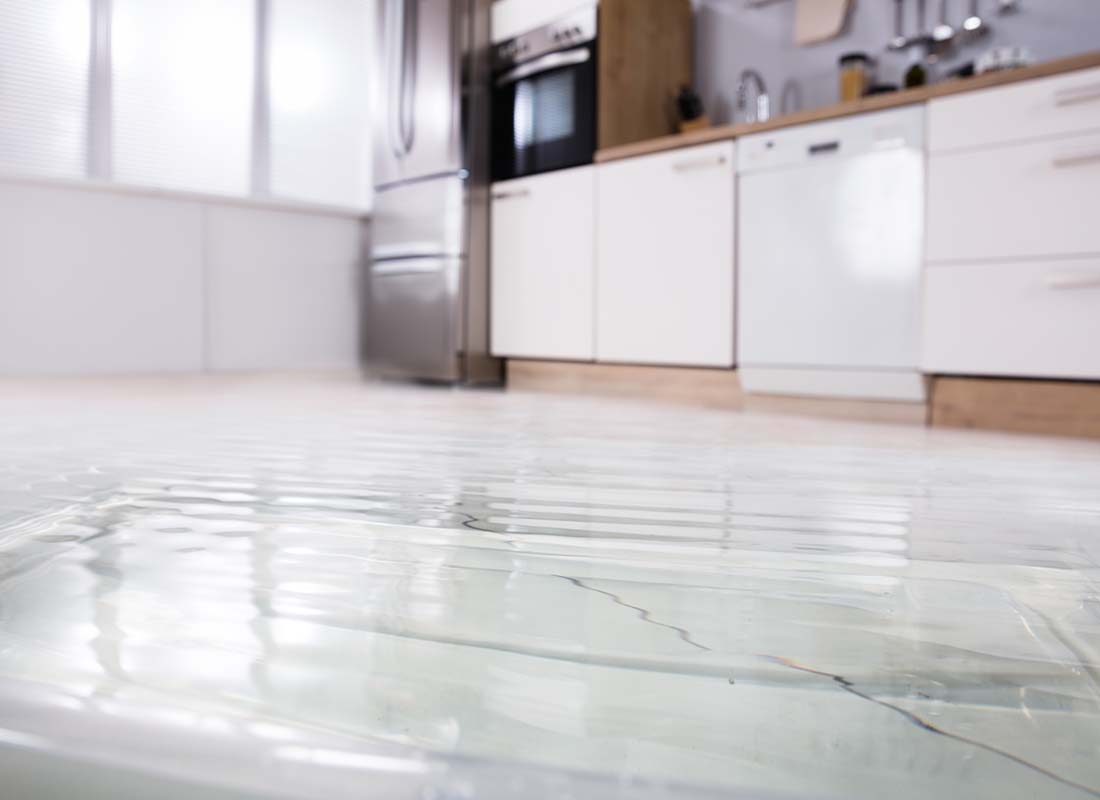
Flood insurance is a separate policy that pays to repair or replace your home's structure and contents when rising water causes damage — coverage your standard homeowners policy does not include. That distinction matters more than most people realize, because flooding can happen outside mapped floodplains: snowmelt backing up against a foundation in Eagle, storm drainage overwhelmed after a fast Treasure Valley thunderstorm, or a canal overtopping near Nampa. If your policy doesn't specifically say it covers flooding, assume it doesn't. Bittick shops flood coverage across multiple carriers and through the National Flood Insurance Program to find the right fit for your home and risk profile.
Floods can happen anywhere, and your standard home insurance likely doesn't cover the damage.
We'll help you understand what flood insurance protects, from your foundation to your belongings, so you can close the gap in your coverage.

What this coverage includes
Building coverage: structure and systems
Building coverage pays for physical damage to your home's structure when a flood occurs. That includes the foundation, framing, staircases, and anchorage systems, as well as the electrical wiring and plumbing inside the walls. Repairs to those systems are invasive and expensive, and the labor costs alone can dwarf the material costs. Building coverage also extends to permanently installed appliances and cabinetry, so a flooded kitchen doesn't mean you're living out of a cooler for six months waiting on an insurance settlement that never fully arrived.
Building coverage: attached and detached structures
Garages and other structures on your property can take on water just as your main home does. Detached garages are a common casualty because they sit lower on the lot or share a drainage path with the street. Building coverage for these structures covers the cost to repair or rebuild them after a covered flood event. In Idaho, a lot of homeowners also use these spaces as workshops or equipment storage, which makes the structure itself worth protecting even before you consider what's inside.
Contents coverage: furniture, electronics, and clothing
Contents coverage reimburses you for personal property that flood water damages or destroys: furniture, clothing, home electronics, washers and dryers, microwaves, and similar items. A standard flood event doesn't discriminate between your couch and your laptop. Contents coverage is purchased separately from building coverage under most flood policies, so it's worth confirming you have both if you want full protection. The cost to replace even a modest household's contents after a serious flood regularly runs into the tens of thousands of dollars.
Flood coverage outside mapped flood zones
FEMA's flood zone maps designate high-risk areas, but they don't predict every flood. In the Treasure Valley, heavy spring runoff from the Boise and Snake River drainages can push water into neighborhoods that haven't flooded in decades. Overland flooding from saturated clay soils, overwhelmed municipal storm systems, and sudden snowmelt events don't care about zone designations. A flood policy covers these events regardless of whether your property sits in a mapped Special Flood Hazard Area, which is exactly why this coverage matters to homeowners who think they're not at risk.
National Flood Insurance Program vs. private flood carriers
The National Flood Insurance Program (NFIP), administered by FEMA, makes flood coverage available to homeowners in participating communities and is often what lenders require for properties in high-risk zones. Private flood carriers can sometimes offer higher coverage limits, broader terms, or more competitive pricing depending on your property's location and construction. Bittick works with both NFIP and private market options, so we can compare what's actually available for your address rather than defaulting to one channel.
Pairs well with
Homeowners Insurance
Your homeowners policy covers fire, wind, theft, and liability, but not flooding. These two policies work side by side to close the most serious gaps in residential property coverage.
Learn more ›Earthquake Insurance
Like flooding, earthquake damage is excluded from standard homeowners policies. Idaho sits near active fault systems, and a separate earthquake policy addresses that distinct risk.
Learn more ›Umbrella Insurance
A personal umbrella policy extends liability limits across your home and auto policies. While it doesn't cover property damage from floods, it protects your financial assets if a flood-related liability claim (such as water damage to a neighbor's property) exceeds your base policy limits.
Learn more ›Renters Insurance
Renters who want flood protection for their personal property need a separate flood contents policy, since their landlord's building coverage does not extend to a tenant's belongings.
Learn more ›