Personal Insurance
Auto insurance built around how you actually drive
Bittick shops top carriers and helps Eagle, Treasure Valley, and San Antonio drivers pick coverage that fits their car, commute, and budget.
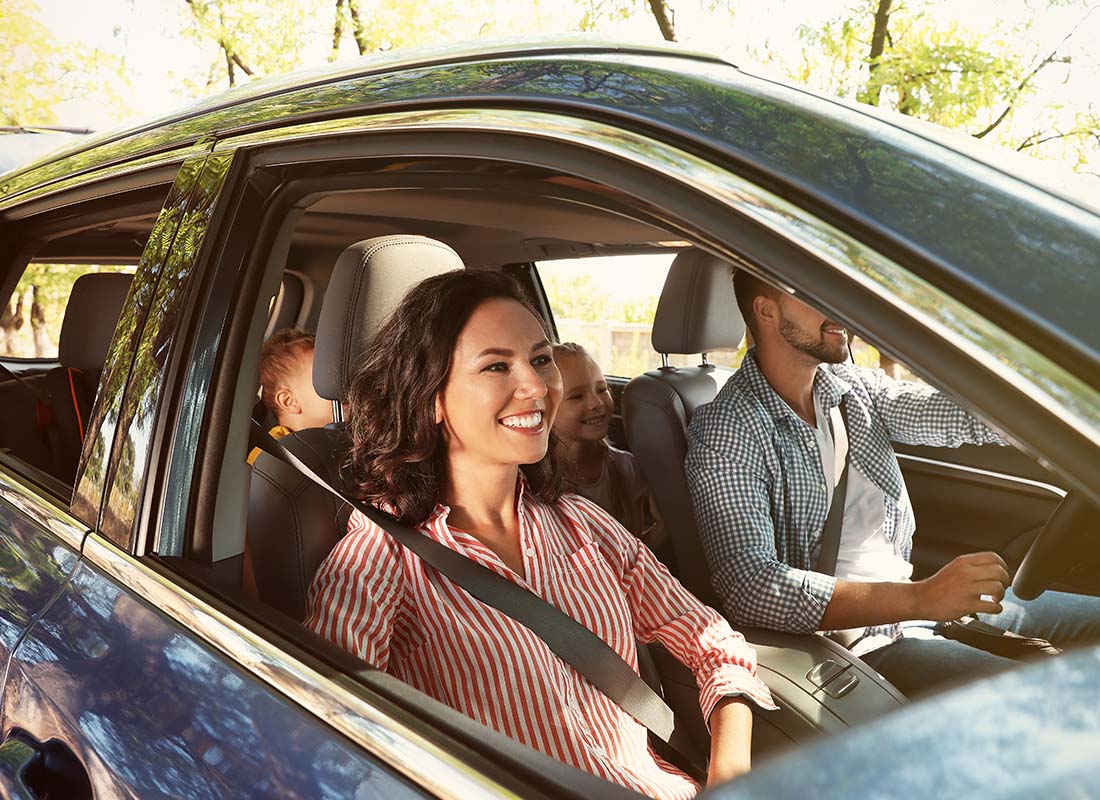
Auto insurance pays for the injuries, vehicle damage, and legal costs that come out of car accidents, plus a few non-collision losses like theft and weather damage. State law in both Idaho and Texas requires every driver to carry liability coverage, but a state-minimum policy leaves a lot of gaps that an Eagle commute, a Hill Country hailstorm, or a deer on Highway 55 will find. Bittick is based in Eagle, Idaho with a second office in San Antonio, Texas, and we are licensed across CA, CO, ID, NV, OR, TX, VA, and WA. We walk through what each part of an auto policy actually does, place coverage with the carrier that fits your situation, and stay reachable when you need to make a change later.
Your vehicle faces more risks on the road than you might expect.
From liability to theft to medical bills, we help you pick the right auto coverage so you're protected.
What this coverage includes
Liability for the people and property you might hurt
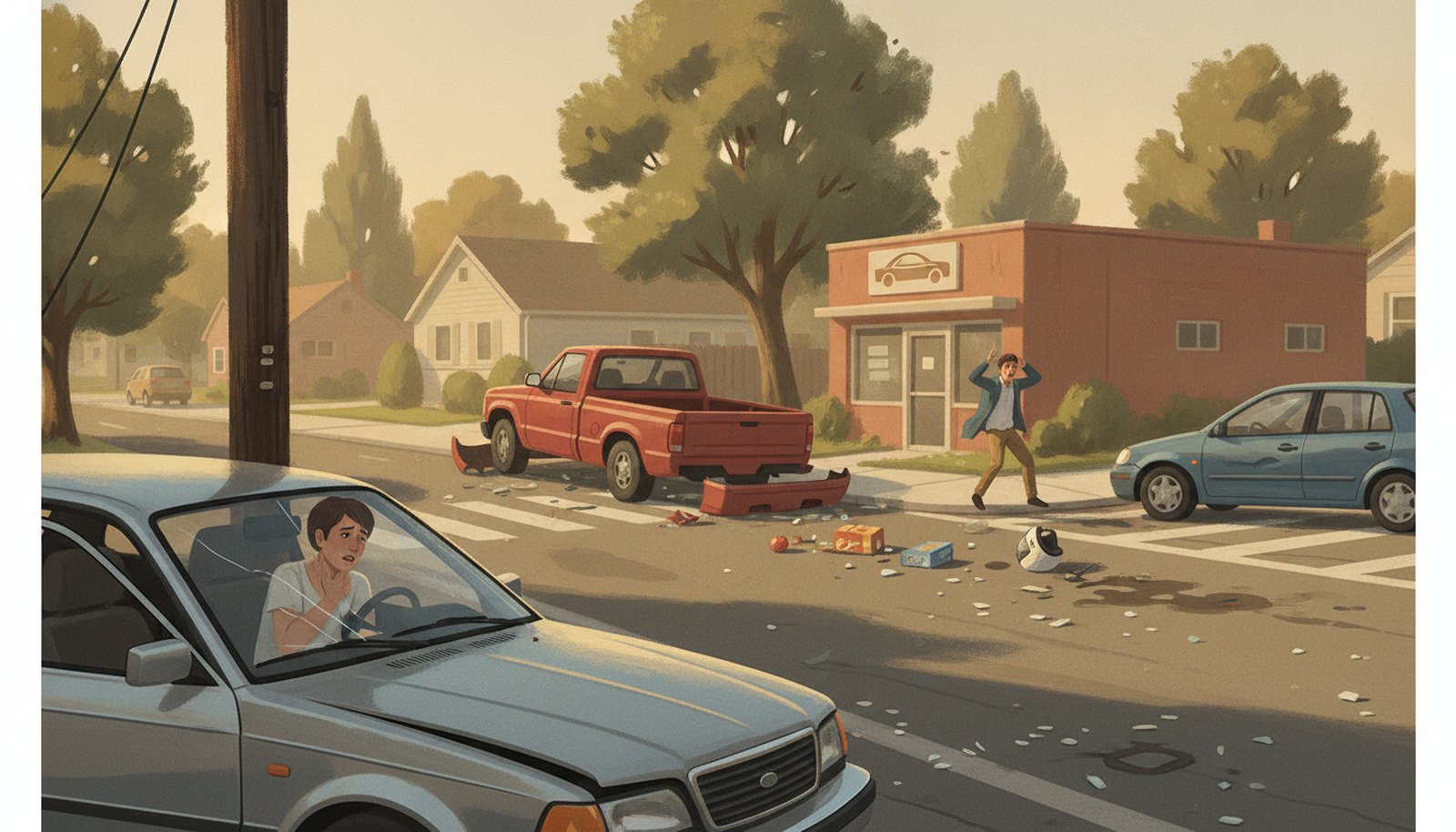
Two pieces. Bodily injury liability pays for the medical bills, lost wages, and legal costs of the other driver, their passengers, or anyone you hit. Property damage liability pays for their car, the guardrail, the mailbox, the storefront: whatever you damaged in an at-fault crash. Idaho's mandatory minimum is 25/50/15 ($25,000 bodily injury per person, $50,000 per accident, $15,000 of property damage). Texas is 30/60/25, slightly higher than Idaho but still well below where most drivers should sit. A new pickup totals well past either minimum on its own, so most clients carry meaningfully more than the legal floor.
Comprehensive and collision for your own vehicle
Collision pays to repair or replace your car after an at-fault crash, a single-car accident, or a hit-and-run. Comprehensive covers the non-collision stuff: theft, vandalism, fire, hail, falling branches, deer strikes on a foothills road. Both come with a deductible you choose. Going from a $250 deductible to a $1,000 deductible can drop your premium meaningfully if you would rather pay more out of pocket on a rare claim than premium every month.
Uninsured and underinsured motorist coverage
Roughly one in eight Idaho drivers and one in seven Texas drivers is on the road without insurance, per the latest Insurance Research Council estimates. If one of them hits you, your own auto policy can step in. Uninsured motorist pays for your injuries and lost wages when the at-fault driver has no coverage. Underinsured motorist picks up the gap when their liability limit is too low to cover what you are owed. We strongly recommend matching these limits to your liability limits.
Medical payments and personal injury protection
Medical payments coverage pays the medical bills for you and your passengers after a covered accident, regardless of who was at fault, up to whatever limit you carry. It is fast money: it does not wait for a liability investigation, does not go through health insurance first. Texas also offers Personal Injury Protection (PIP), a broader version that picks up lost wages too. For households with high-deductible health plans, both are useful add-ons.
Add-ons worth knowing about
Roadside assistance, rental car reimbursement, gap coverage if you owe more on the loan than the car is worth, accident forgiveness, custom equipment, OEM parts. Most are inexpensive line items, and a few are genuinely worth carrying depending on your vehicle and driving situation. We flag the ones that fit and skip the ones that do not.
Pairs well with
Umbrella insurance
Sits on top of auto and home liability and adds another $1M or more in protection. Cheap on a per-dollar basis, and a single serious bodily-injury claim can blow through standard limits.
Learn more ›Home insurance
Bundling with auto usually drops both premiums and gives you one renewal date and one set of policy limits to think about.
Learn more ›Motorcycle insurance
Auto policies do not cover bikes. If you ride, you need a separate motorcycle policy with its own liability and physical damage coverages.
Learn more ›RV insurance
An RV needs a tailored policy that covers the vehicle and the contents inside it. Auto will not extend.
Learn more ›Watercraft insurance
Boat, jet ski, or trailerable craft. State registration usually requires liability coverage and your auto policy will not include it.
Learn more ›Frequently asked questions
How much does auto insurance cost in Eagle, Boise, or San Antonio?
Premiums depend on your driving record, the vehicles you insure, the coverage limits you pick, and the carrier, and they differ between Idaho and Texas. Most Treasure Valley households we work with land somewhere between $90 and $200 a month for full coverage on a single vehicle. San Antonio Metro households tend to land $130 to $260, because Texas premiums skew higher across the board. Multi-vehicle and home-bundle discounts pull both down. We will price it across multiple carriers and show you the math.
What is the minimum auto insurance my state requires?
Idaho's mandatory minimum is 25/50/15 ($25,000 bodily injury per person, $50,000 per accident, $15,000 property damage liability). Texas is 30/60/25 ($30,000 / $60,000 / $25,000). Both meet the law but neither protects you well in a serious accident. We typically recommend at least 100/300/100 for households with assets to protect.
Should I file a claim or pay out of pocket for a small fender bender?
Two questions to ask: is the repair more than your deductible, and would the claim push your rates up at renewal more than you would save? Small claims under $1,000 are often cheaper to handle yourself. We are happy to talk through it before you file.
Does Bittick write auto insurance for clients in San Antonio?
Yes. Our Texas office is in San Antonio and we write auto policies for clients in the San Antonio Metro and across Texas. Texas auto requirements differ from Idaho, especially around liability minimums and Personal Injury Protection. We walk Texas clients through the local coverage map and place the policy with the right carrier.
Can I add a teenage driver to my policy?
Yes, and it is the right move legally. Premiums go up because new drivers are higher risk, but discounts for good grades, driver education, and a tracked-driving program can offset some of the increase. We will run the numbers across carriers because some are notably more friendly to young drivers than others.