
Personal Insurance
Insurance Built for Homes That Are Sitting Empty
Standard homeowners policies stop covering a vacant property, often after just 30 days, so the right policy needs to be in place before something goes wrong.
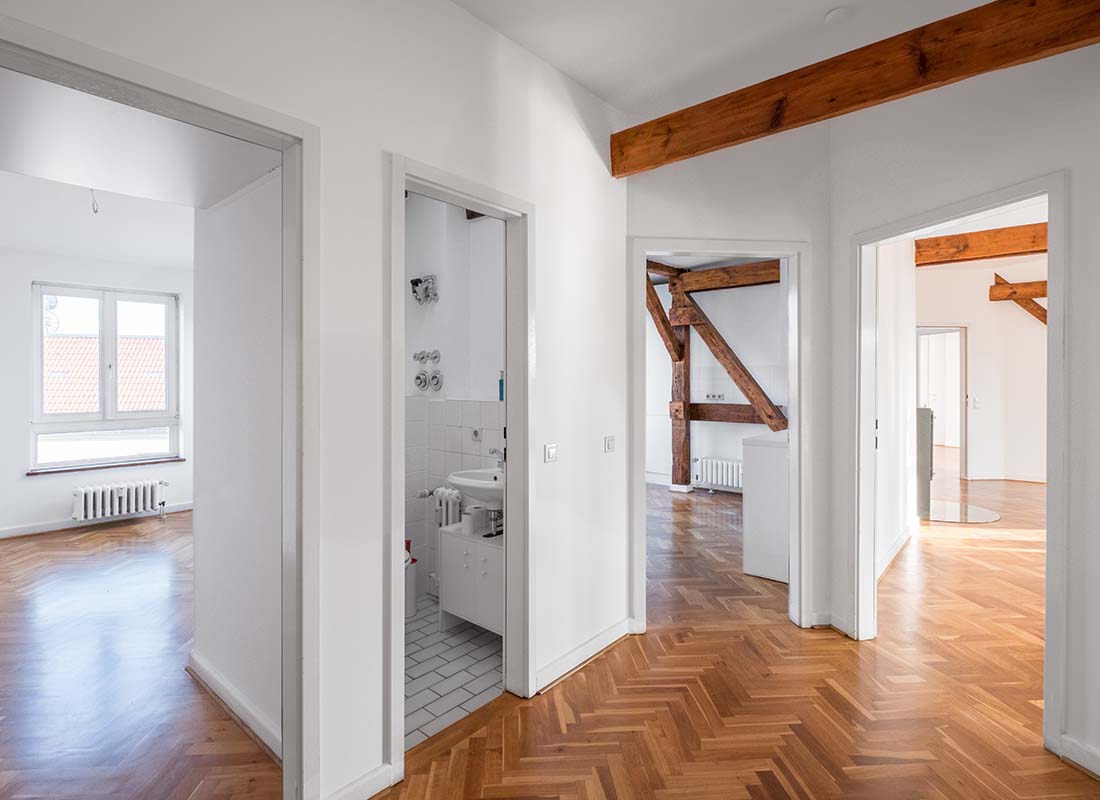
Vacant home insurance is a separate policy that covers a residence no one is currently living in, because standard homeowners insurance typically excludes losses that occur while a home has been unoccupied for 30 days or more. The threshold varies by carrier, but the exposure is real: a house sitting empty is more vulnerable to fire, water damage, theft, and vandalism, and your regular policy may deny the claim entirely if it determines the home was vacant at the time of loss. Bittick shops policies from multiple carriers to find one that matches your situation, whether the home is listed for sale, sitting between tenants, or offline during a major renovation.
What this coverage includes
Property damage from fire, wind, and weather
A vacant home insurance policy can cover physical damage to the structure from perils like fire, windstorm, hail, and certain water losses. In Idaho, that matters: a freeze-thaw cycle in the Treasure Valley can split an unattended supply line, and if no one checks the property for two weeks, a trickle becomes a flooded subfloor. The policy pays to repair or rebuild what was damaged, up to the covered limit you select.
Theft and vandalism
An empty house draws attention. Copper plumbing, HVAC equipment, appliances, and fixtures are common targets when a property has obvious signs of vacancy, a full mailbox, overgrown landscaping, no lights on at night. Vacant home coverage can include theft of building components and damage caused by break-ins. Vandalism, including intentional interior destruction, can also fall under this coverage depending on the policy form you choose.
Liability for injuries on your property
You can still be held legally responsible for injuries that happen on a property you own, even if you are not there. A neighbor who cuts through the yard and trips over unsecured materials, or a contractor who gets hurt during a renovation, may have grounds for a claim against you. The liability portion of a vacant home policy covers your legal defense costs and any damages you are ordered to pay, up to the policy limit.
Coverage gap protection between policy types
One of the most important functions of vacant home insurance is simply keeping coverage in force when your standard policy pulls back. If you are transitioning from owner-occupant to landlord, selling an inherited property, or completing a gut renovation before a tenant moves in, there is a window where no active policy adequately covers the home. Vacant home insurance closes that gap so a loss during that period does not become an out-of-pocket catastrophe.
Pairs well with
Homeowners Insurance
Once the home is occupied again, a standard homeowners policy takes over. Bittick can help you time the transition so there is no gap and no overlap between the two policies.
Learn more ›Landlord Insurance (Dwelling Fire)
If you plan to rent the property after the vacancy period, landlord insurance is the appropriate long-term replacement. It covers the structure, liability, and lost rental income in ways a homeowners policy does not.
Learn more ›Umbrella Insurance
Liability limits on a vacant home policy can be modest. A personal umbrella policy layers additional liability protection on top, which matters if a serious injury occurs on the property.
Learn more ›Flood Insurance
Most vacant home policies exclude rising-water flood losses the same way standard homeowners policies do. If the property sits in a floodplain or near a drainage channel, a separate flood policy fills that gap.
Learn more ›What this coverage protects against
Common risks and how this coverage addresses them. Tap any scenario to expand.
-
Pipe bursts in a vacant home during a January freeze.
The risk
A seller relocates to a new house in December and leaves the old one on the market through January. Temperatures in the Treasure Valley drop hard overnight, and without anyone running the heat consistently, a supply line in the crawlspace freezes and splits. The water runs for nine days before a showing agent notices.
How this coverage helps
A vacant home policy with water damage coverage pays for the emergency mitigation, subfloor replacement, and drywall repairs. Because the policy was in place before the loss, the carrier cannot deny the claim on vacancy grounds.
-
Copper plumbing stripped from a home between tenants.
The risk
A landlord in Nampa has a two-month gap between a tenant moving out and the next one moving in. Sometime in week three, someone cuts the copper supply lines out of the utility room and pulls the electrical panel cover. The property is not discovered until the landlord stops by to do a walkthrough.
How this coverage helps
Vacant home coverage for theft of building components covers the cost to replumb the affected runs and restore the electrical panel. The landlord's prior homeowners policy would have denied the theft claim because the vacancy exclusion had already triggered.
-
Fire starts in a vacant home under renovation.
The risk
A contractor leaves a heat gun plugged in at a house in Meridian that is being fully renovated before resale. A small electrical fire starts overnight, and without anyone present, it burns through a wall and into the attic before the smoke alarm triggers a neighbor to call 911.
How this coverage helps
The vacant home policy covers the fire damage to the structure, including the partially completed renovation work. The homeowner does not have to choose between filing against a contractor's policy and absorbing the loss personally.
-
Vandalism turns a listed home into a liability.
The risk
A family relocates out of state while their Eagle home sits on the market. Teens break in through a back window and cause significant interior damage, including spray paint on walls and broken fixtures in two bathrooms. The listing agent discovers it before the next showing.
How this coverage helps
Vacant home coverage for vandalism and malicious damage pays to repair the interior before it affects the sale. Without this policy, the standard homeowners coverage the family maintained on their old primary residence would have excluded the loss once the home was vacant.
-
Visitor injured on property during estate sale process.
The risk
An heir to an estate in Caldwell is clearing and preparing the home for sale over several weeks. A family friend helping with the cleanout slips on an icy front step and breaks a wrist. The friend's medical bills exceed what the helper's own insurance covers, and the heir receives a demand letter.
How this coverage helps
The liability coverage in the vacant home policy covers the heir's legal defense and the resulting settlement up to the policy limit. Without it, the heir would be personally exposed because the deceased owner's original homeowners policy lapsed at death.
-
Coverage gap during a major gut renovation.
The risk
A buyer in Star purchases a dated ranch house with plans to renovate it completely before moving in. The purchase closes, the renovation starts, but the buyer's new homeowners policy excludes losses that occur before occupancy. Three months into the project, a subcontractor accidentally starts a small fire.
How this coverage helps
A vacant home or builders risk policy placed at closing covers the structure during the renovation period. Bittick can review what the homeowners policy actually covers and fill the gap so the buyer is not uninsured during the most vulnerable phase of ownership.
-
Standard homeowners claim denied after the vacancy exclusion applies.
The risk
A homeowner takes an extended work assignment in another state and leaves the house empty for eight weeks. A hailstorm causes significant roof damage during that window. When the homeowner files a claim, the carrier denies it, citing a 30-day vacancy exclusion buried in the policy language.
How this coverage helps
Vacant home insurance, placed before the property became unoccupied, would have kept coverage in force during the absence. Bittick reviews existing policy exclusions before a vacancy begins so clients know exactly when a separate policy needs to be added.