
Personal Insurance
Mobile Home Insurance That Fits Where You Live
Whether your home is parked permanently or has wheels, Bittick finds coverage built around its actual construction and value.
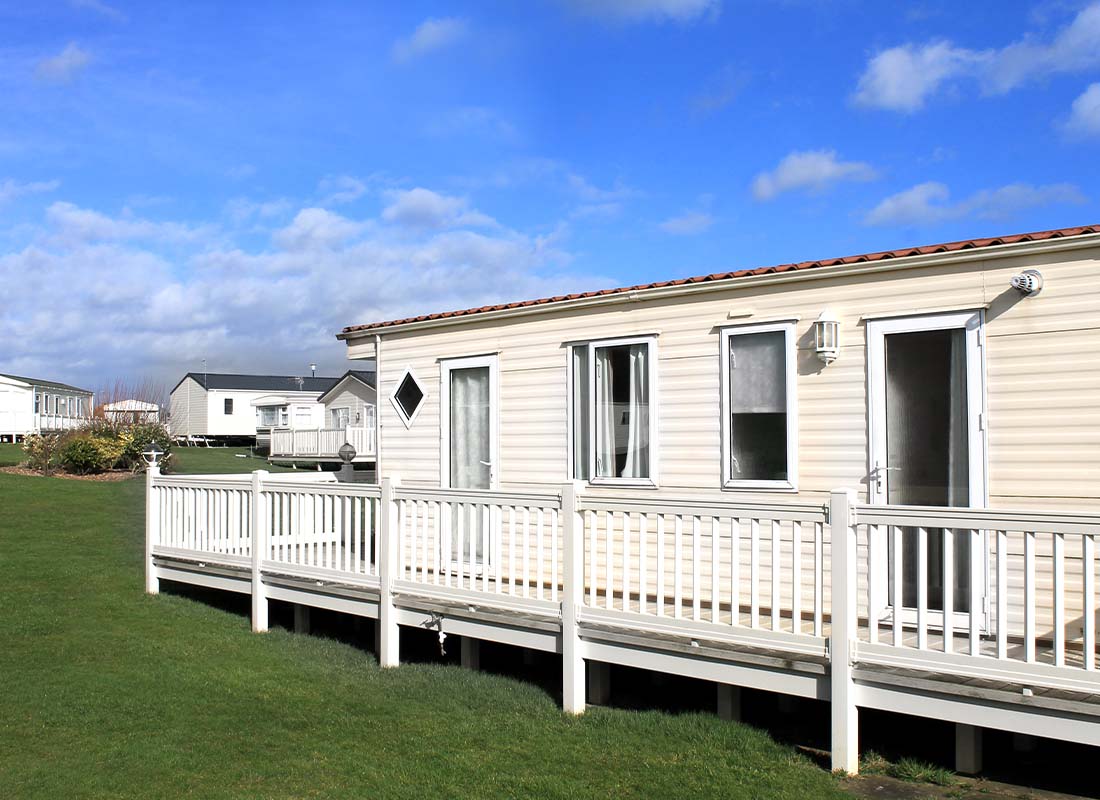
Mobile home insurance is a specialty policy designed to cover the structure, contents, and liability exposures unique to mobile and manufactured homes, which standard homeowners policies often exclude or underprice. Mobile homes and manufactured homes carry specific structural risks: a fire, windstorm, or severe hailstorm that might damage one wing of a traditional house can total a mobile home entirely. That reality makes the right coverage more important, not less. Bittick places these policies with multiple carriers across Idaho, Texas, and our other licensed states, so you're not stuck with one company's take on what your home is worth.
What this coverage includes
Structure and dwelling coverage
Personal property inside the home
Liability protection
Optional: transit and relocation coverage
Manufactured home policies: a separate category
Pairs well with
Umbrella Insurance
A personal umbrella policy sits above your mobile home liability limit and your auto liability limit, providing a broader cushion if a single serious claim exceeds what either policy covers alone.
Learn more ›Auto Insurance
If you own a vehicle, bundling it with your mobile home policy often unlocks multi-policy discounts and simplifies your renewals to a single conversation.
Learn more ›Flood Insurance
Standard mobile home policies exclude flood damage. Mobile homes in low-lying lots near the Boise River or Snake River drainages in the Treasure Valley are especially exposed, and a separate flood policy fills that gap.
Learn more ›Renters Insurance
If you rent the lot your mobile home sits on but own the home itself, renters insurance is not quite the right fit, but if someone in your household rents a separate space, this coverage protects their belongings there.
Learn more ›What this coverage protects against
Common risks and how this coverage addresses them. Tap any scenario to expand.
-
Fire destroys the home and everything inside it.
The risk
A grease fire in the kitchen spreads faster than expected through the lighter-framed walls of a mobile home. Within minutes the structure is a total loss, and the appliances, furniture, and personal belongings inside go with it.
How this coverage helps
Dwelling coverage pays toward rebuilding or replacing the structure up to the policy limit. Personal property coverage handles the contents. Because the policy was written to reflect the home's actual replacement value, there is no gap between what the home was worth and what the policy pays.
-
A late-October windstorm lifts a roof panel in Nampa.
The risk
High desert wind events in the Treasure Valley can arrive fast. A mobile home's roof panels are mechanically fastened rather than nailed into conventional rafters, and a sustained gust can pry one loose, exposing the interior to rain before repairs can be made.
How this coverage helps
Wind damage is a covered peril under most mobile home policies. The policy pays for emergency tarping, structural repairs, and any interior water damage that follows directly from the roof breach, up to the dwelling limit.
-
A visitor slips on ice on the front steps in January.
The risk
A friend stops by your home in Eagle on a January morning when overnight freezing has left a thin layer of ice on the steps. She falls, breaks her wrist, and the medical bills add up quickly.
How this coverage helps
Liability coverage pays her medical expenses and, if she makes a formal claim, the legal defense costs as well. Without this coverage, those costs come directly out of your pocket.
-
Plumbing under the home freezes and bursts during a cold snap.
The risk
In the Treasure Valley, overnight temperatures regularly drop into the single digits in January and February. The exposed water lines running through the undercarriage of an older mobile home are vulnerable to freezing, and a burst pipe can flood the subfloor before anyone notices.
How this coverage helps
Policies that include sudden and accidental water damage cover the pipe repair and the resulting floor and wall damage. Coverage terms vary, so we review the policy language carefully before binding to confirm this scenario is included.
-
Wildfire smoke and embers damage the exterior during fire season.
The risk
Late-summer fire seasons in southwest Idaho increasingly push smoke and airborne embers into developed areas. A mobile home's vinyl siding and lightweight roofing materials can be scorched or pitted by embers even when the fire itself stays miles away.
How this coverage helps
Fire and smoke damage from a wildfire is a covered peril. The policy pays for exterior repairs and any interior smoke remediation required, keeping a bad fire season from also becoming a financial loss.
-
The home is damaged while being moved to a new lot.
The risk
Relocating a mobile home requires a professional transport crew, permits, and sometimes navigating tight turns off narrow county roads. Even a careful move can result in structural stress, panel damage, or a shift in the chassis.
How this coverage helps
Transit coverage, when added to the policy, covers physical damage that occurs during an authorized move. Without it, the mobile home policy's dwelling coverage typically suspends while the home is in transit, leaving you exposed for the duration of the haul.
-
Theft clears out appliances while the home sits vacant.
The risk
A mobile home left unoccupied between tenants or during an owner's extended absence can be a target for appliance theft. A refrigerator, washer, dryer, and HVAC unit add up quickly.
How this coverage helps
Personal property coverage reimburses for stolen contents up to the policy limit. If the theft involved forced entry that also damaged the door or a window, the structure coverage addresses those repairs as well.