
Personal Insurance
Protect Your Pet and Your Wallet with Pet Insurance
When your dog or cat needs unexpected veterinary care, pet insurance can keep a health crisis from becoming a financial one.
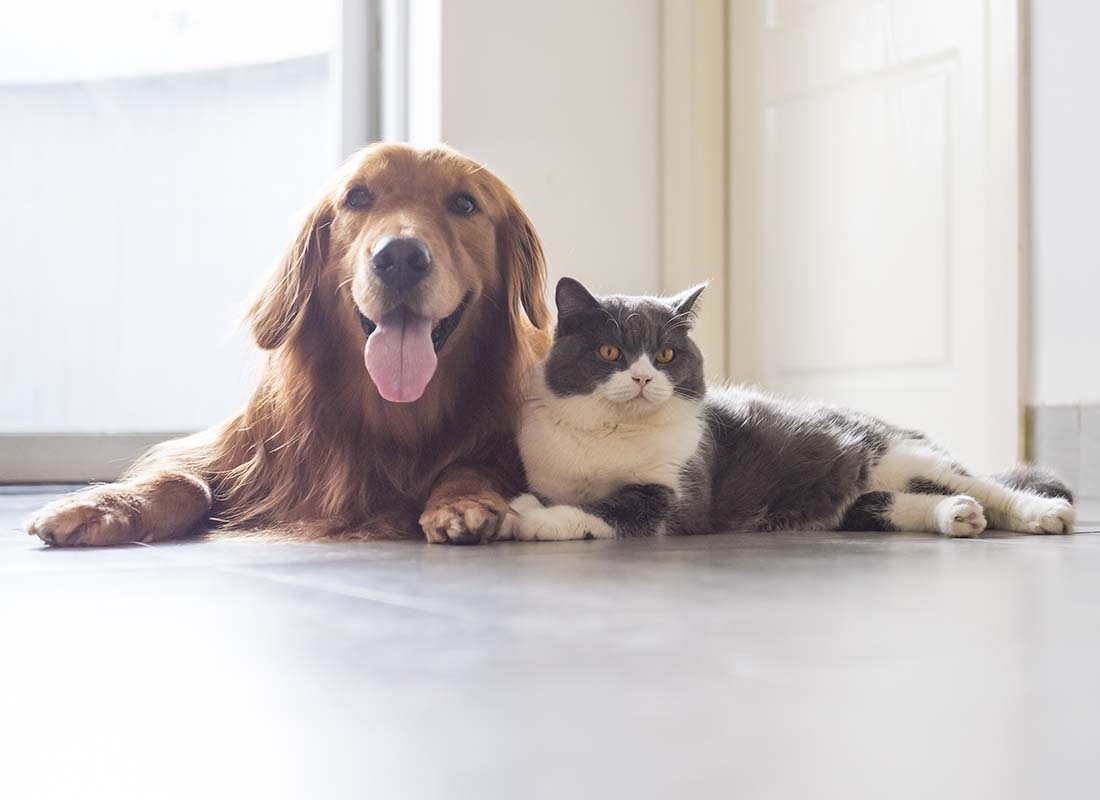
Pet insurance is health coverage for your animal companions, reimbursing you for veterinary costs when your pet is injured or gets sick. Policies are generally straightforward: you choose a deductible, a reimbursement percentage, and a coverage tier, then pay the vet directly and file a claim. For Treasure Valley pet owners, where an after-hours emergency visit at a Boise or Meridian veterinary clinic can run several thousand dollars, having that reimbursement structure in place matters. Bittick shops policies across multiple carriers so you can compare costs and coverage tiers side by side before you commit.
What this coverage includes
Accident-only coverage
Accident and illness coverage
Wellness and routine care riders
Payout limits and how they work
Pairs well with
Renters Insurance
If you rent your home, your personal property policy can include liability protection if your pet injures a guest or neighbor. Pairing renters coverage with pet insurance closes two separate gaps at once.
Learn more ›Homeowners Insurance
Homeowners policies typically include personal liability coverage that may respond if your pet injures someone on your property, but they do not cover vet bills. Pet insurance handles the vet side; homeowners handles the liability side.
Learn more ›Umbrella Insurance
A personal umbrella policy extends your liability limits above what your homeowners or renters policy provides. If your dog seriously injures someone and a lawsuit follows, an umbrella policy can provide the extra layer of protection your underlying policy may not have.
Learn more ›What this coverage protects against
Common risks and how this coverage addresses them. Tap any scenario to expand.
-
Dog fractures a leg on a Boise Foothills trail.
The risk
Your dog slips on loose basalt rock during a hike above Eagle and fractures a front leg. The emergency vet visit, X-rays, surgical repair, and follow-up care total close to $5,000.
How this coverage helps
An accident-and-illness policy with a reasonable per-incident limit covers the bulk of that bill after your deductible and copayment, so the injury doesn't force a difficult financial decision about your pet's care.
-
Cat is diagnosed with diabetes at age nine.
The risk
Your indoor cat is diagnosed with diabetes, a condition that requires twice-daily insulin injections, regular glucose monitoring, and periodic veterinary checkups for the rest of her life. Annual costs can reach $1,500 or more.
How this coverage helps
A policy covering chronic illnesses reimburses ongoing treatment costs year after year, as long as the condition was not pre-existing before the policy start date. This is exactly the scenario where lifetime or annual payout limits matter most.
-
Waiting period catches a new policyholder off guard.
The risk
You sign up for pet insurance on a Monday after noticing your dog is acting lethargic. By Thursday, the dog is diagnosed with a gastrointestinal illness. Because most policies include a waiting period of roughly two weeks for illness claims, this diagnosis falls inside the exclusion window.
How this coverage helps
Knowing the waiting period exists before you need it helps. Enrolling your pet when healthy, rather than reacting to a symptom, is the practical way to make sure coverage is active when a real claim arrives.
-
Reimbursement model surprises an owner at checkout.
The risk
Unlike human health insurance where the provider bills the insurer directly, most pet insurance requires you to pay the full vet bill at checkout first, then submit a claim for reimbursement. A $3,200 emergency bill hits your credit card before you see a cent back.
How this coverage helps
Understanding the reimbursement model upfront lets you plan accordingly. Some pet owners keep a dedicated savings buffer for the out-of-pocket period. A Bittick advisor can point you toward carriers that offer direct-pay arrangements with certain veterinary practices.
-
Pre-existing condition exclusion limits a newly enrolled senior pet.
The risk
You adopt a seven-year-old rescue dog with a documented history of hip dysplasia. When you enroll in pet insurance, the carrier excludes any hip-related claims as a pre-existing condition, even future surgeries.
How this coverage helps
Some carriers handle pre-existing conditions differently than others, and a few distinguish between curable and incurable conditions. Reviewing policy language with an independent advisor before enrolling an older pet helps you find the best available option rather than the first one that comes up in a search.
-
Annual cap runs out mid-year after two separate incidents.
The risk
Your mixed-breed dog has a $5,000 annual payout cap. In March he needs a $2,800 surgery for a torn ligament. In September he develops a serious ear infection requiring specialist care at $2,400. The second claim exceeds the remaining annual cap.
How this coverage helps
Reviewing the cap structure, not just the premium, when selecting a policy prevents this gap. Policies with higher annual limits cost more per month, but the difference in premium is often smaller than the gap left by a tight cap during a high-claims year.