
Business Insurance
Keep Your Empty Building Covered While It Sits Vacant
Standard commercial property policies pull back coverage after 60 days of vacancy, and vacant building insurance fills that gap.
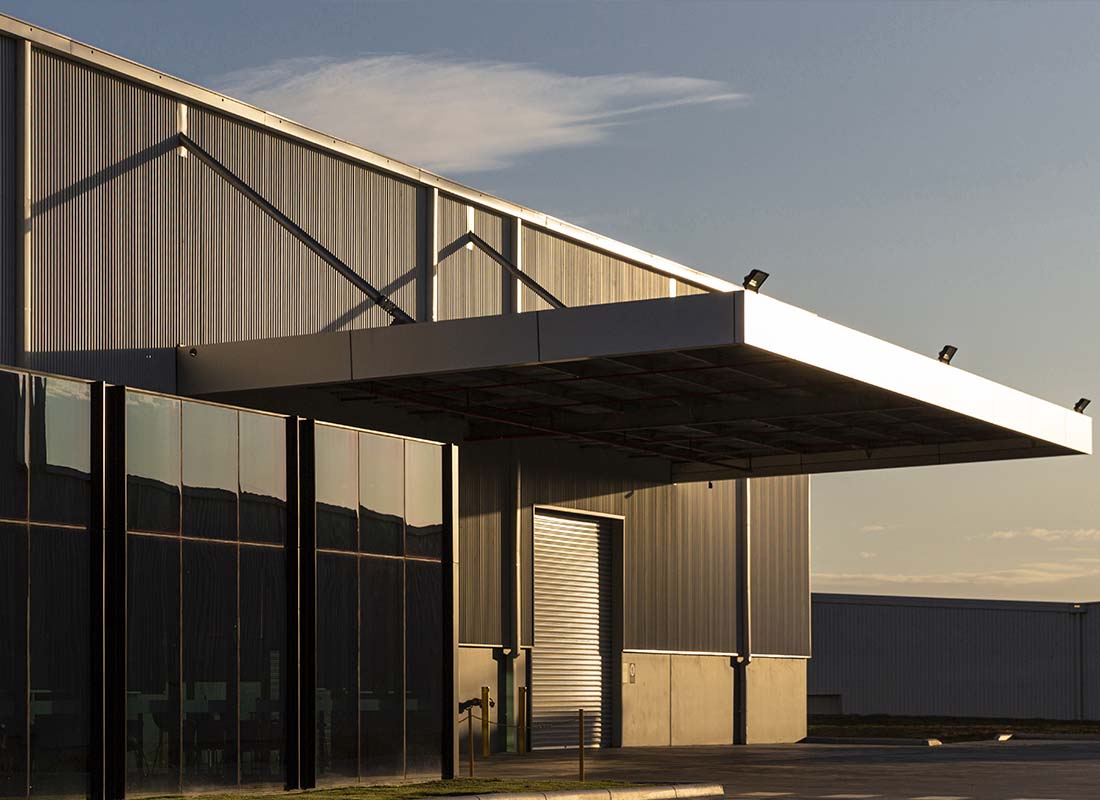
Vacant building insurance is a specialized commercial property policy that protects a building against fire, theft, vandalism, water damage, and liability while it sits unoccupied. Most standard commercial property policies include a vacancy clause that suspends or reduces key coverages once a building has been empty for 60 days, so owning an unoccupied building without a separate vacant policy means you may be bearing significant risk yourself. That applies whether you are waiting to find new tenants in a Meridian retail strip, wrapping up construction, or holding a property between sales.
What this coverage includes
Named-peril property coverage for the empty structure
A vacant building policy covers the physical structure against a defined list of perils: fire, wind, water damage, sprinkler leakage, theft, and vandalism. Each of these risks increases when no one is walking the property daily. A slow sprinkler leak, for example, can saturate a subfloor for weeks before anyone notices, and a small fire in a vacant building can spread much further before it is reported. Vacant building insurance steps in where your commercial property policy stops after the 60-day vacancy threshold.
What your commercial property policy actually stops covering
Most commercial property policies include a vacancy clause with two specific penalties. First, coverage for water damage, theft, sprinkler leakage, and vandalism typically ceases once the building has been vacant for 60 consecutive days. Second, if a covered loss does occur while the building is vacant, the payout is often reduced by up to 15 percent. These are contractual limitations written into the policy, not discretionary decisions by the carrier. Knowing where your existing policy draws the line is the starting point for figuring out what vacant coverage you actually need.
When a building is legally considered "vacant"
Under most commercial property policies, a building is considered vacant once less than 31 percent of its total square footage is occupied and in use for its intended purpose. If you own a retail strip and three out of five bays are empty while you search for tenants, the entire building may already qualify as vacant under your policy's language, even though people visit the property regularly. The threshold catches a lot of owners off guard, especially in markets like Nampa and Caldwell where commercial space turns over faster than owners expect.
Premises liability while the property sits empty
An empty building still attracts people: trespassers, neighbors cutting through, inspectors, contractors doing repair work. If someone is injured on the property and you are found liable, you need liability coverage in place. Vacant building policies can include premises liability protection that covers your legal exposure for bodily injury or property damage that occurs on the site while it is unoccupied. This is separate from the structure coverage and often equally important to have.
Pairs well with
Commercial Property Insurance
Your base commercial property policy is still the right foundation, but the vacancy clause in it is exactly what creates the gap vacant building insurance is designed to fill. The two policies work together.
Learn more ›General Liability Insurance
Even when a building is empty, slip-and-fall claims and property damage claims from visitors or trespassers can land on the owner. General liability covers third-party bodily injury and property damage exposure.
Learn more ›Builder's Risk Insurance
If the building is vacant because construction or renovation is underway, builder's risk insurance covers the structure and materials during the project, which a vacant building policy may not.
Learn more ›Commercial Umbrella Insurance
Liability claims on vacant properties can run high, particularly if a serious injury occurs. A commercial umbrella policy extends your liability limits above what the primary policy carries.
Learn more ›What this coverage protects against
Common risks and how this coverage addresses them. Tap any scenario to expand.
-
Tenant leaves and the strip mall is now 75 percent empty.
The risk
An anchor tenant in a Meridian retail strip ends their lease early, and you are left with four vacant bays out of five. Your commercial property policy's vacancy clause kicks in, and you are now 60 days away from losing coverage for water damage, theft, and vandalism on the entire structure.
How this coverage helps
Vacant building insurance picks up where the commercial policy is about to stop, covering the structure during the full lease-up period so a burst pipe or a break-in does not become an uncovered loss.
-
Copper pipes stripped from an unoccupied warehouse overnight.
The risk
A warehouse sitting empty between owners becomes a target for metal thieves. In a single night, the copper plumbing throughout the building is stripped out, causing both direct theft loss and significant water damage when the line breaks are left exposed.
How this coverage helps
A vacant building policy with theft coverage pays for the stolen materials and the resulting water damage, costs that a commercial property policy with an active vacancy clause would have declined.
-
Trespasser falls through a rotted floor and files a claim against the owner.
The risk
An abandoned commercial building in a mixed-use corridor attracts trespassers. Someone enters the property, falls through a deteriorated section of flooring, and sustains injuries. The property owner receives a liability demand.
How this coverage helps
The premises liability component of vacant building insurance responds to the bodily injury claim, covering legal defense costs and any settlement up to the policy limit.
-
Sprinkler head cracks during a winter freeze and floods two floors.
The risk
A vacant office building in Eagle goes through several hard freeze-thaw cycles over a January. A sprinkler head cracks, and water runs unchecked through the second and first floors for four days before anyone notices. The water damage is extensive.
How this coverage helps
Vacant building insurance covers sprinkler leakage as a named peril. The policy pays for water extraction, structural drying, and floor and ceiling repairs that the standard commercial property policy would have excluded after day 61 of vacancy.
-
Fire starts in a building that has been dark for three months.
The risk
A commercial building that has been vacant since a tenant relocated becomes the site of a fire, likely caused by an electrical fault. Because no one was on-site, the fire burned for over an hour before the fire department arrived, causing damage far beyond what early detection would have allowed.
How this coverage helps
Fire is a named peril under vacant building insurance. The policy covers the structural fire damage and smoke damage to the building, providing the same basic fire protection the commercial property policy carried before the vacancy clause suspended coverage.
-
Owner discovers the vacancy clause too late, after a claim is already reduced.
The risk
A property owner files a claim for vandalism damage on a building that has been mostly empty for four months. The carrier applies the vacancy clause and reduces the payout by 15 percent, citing the standard language in the commercial property policy the owner had not reviewed carefully.
How this coverage helps
Placing a vacant building policy at or before the 60-day mark protects you from the reduction clause and the coverage suspensions. Bittick reviews your existing policy language before recommending what vacant coverage is actually needed.