
Business Insurance
Protect Your Project While It's Still Being Built
Builders risk insurance covers structures, materials, and equipment from the first day of construction through project completion.
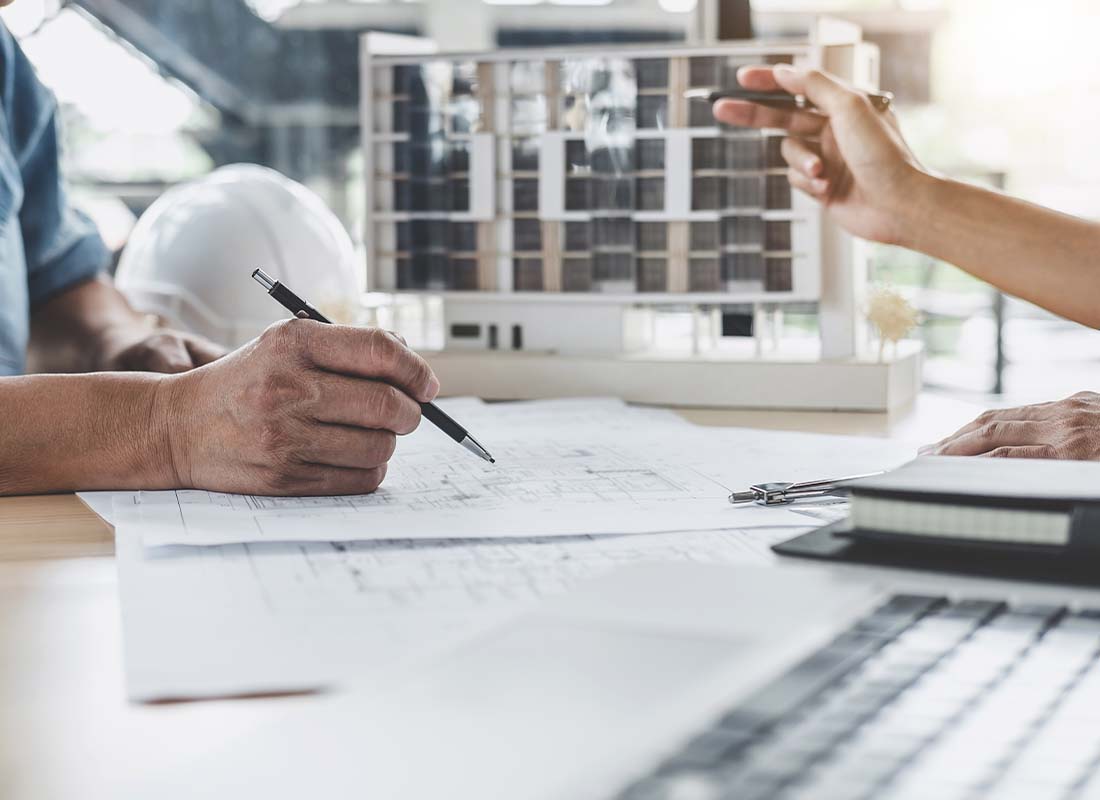
Builders risk insurance is a form of property insurance that covers a building or structure during the construction period, from groundbreaking through the date the project is substantially complete. It can be carried by the property owner, the general contractor, or both, depending on how the contract is written. A framing crew working a new subdivision in Star faces a very different risk picture than a commercial GC finishing a multi-story medical office in Meridian, but both projects share the same basic exposure: an unoccupied, partially finished structure sitting in the open, full of expensive materials, for months at a time. Bittick works with multiple carriers to match the right builders risk policy to the scope, timeline, and budget of your specific project.
Your construction project faces unique risks from start to finish.
From the building itself to tools and materials on site, we help you protect every part of your project with builders risk coverage.
What this coverage includes
The structure itself
The core of a builders risk policy protects the building or structure being constructed against physical damage from covered causes, which typically include fire, lightning, windstorm, hail, explosion, vandalism, and vehicle impact. If a hailstorm tears through a Treasure Valley jobsite mid-framing and damages the roof deck and windows already installed, this coverage pays to repair or replace that damage so the project timeline does not blow apart. Policy limits are usually set as a percentage of the total completed-project value, which means getting the coverage amount right at the start matters.
Materials and supplies on the jobsite
Lumber, conduit, fixtures, HVAC equipment staged for installation: all of it represents real money sitting in a partially secured location. Materials and supplies coverage extends protection to those items against theft, fire, and other covered losses while they are on the jobsite or in transit to it. A flatbed load of engineered lumber stolen from a Caldwell lot or copper wire stripped from a half-finished commercial build in Nampa both fall into this category. This portion of the policy is what keeps a single theft incident from stalling the whole project.
Construction equipment and tools
Equipment coverage protects the tools and machinery used to complete the job: compactors, concrete forms, generators, and similar items. This is distinct from commercial inland marine or contractor's equipment coverage on a separate policy; it covers the equipment specifically in the context of this project. If a piece of equipment is damaged by a covered cause of loss during the construction period, this coverage helps offset the cost of repair or replacement so work can resume.
Temporary structures
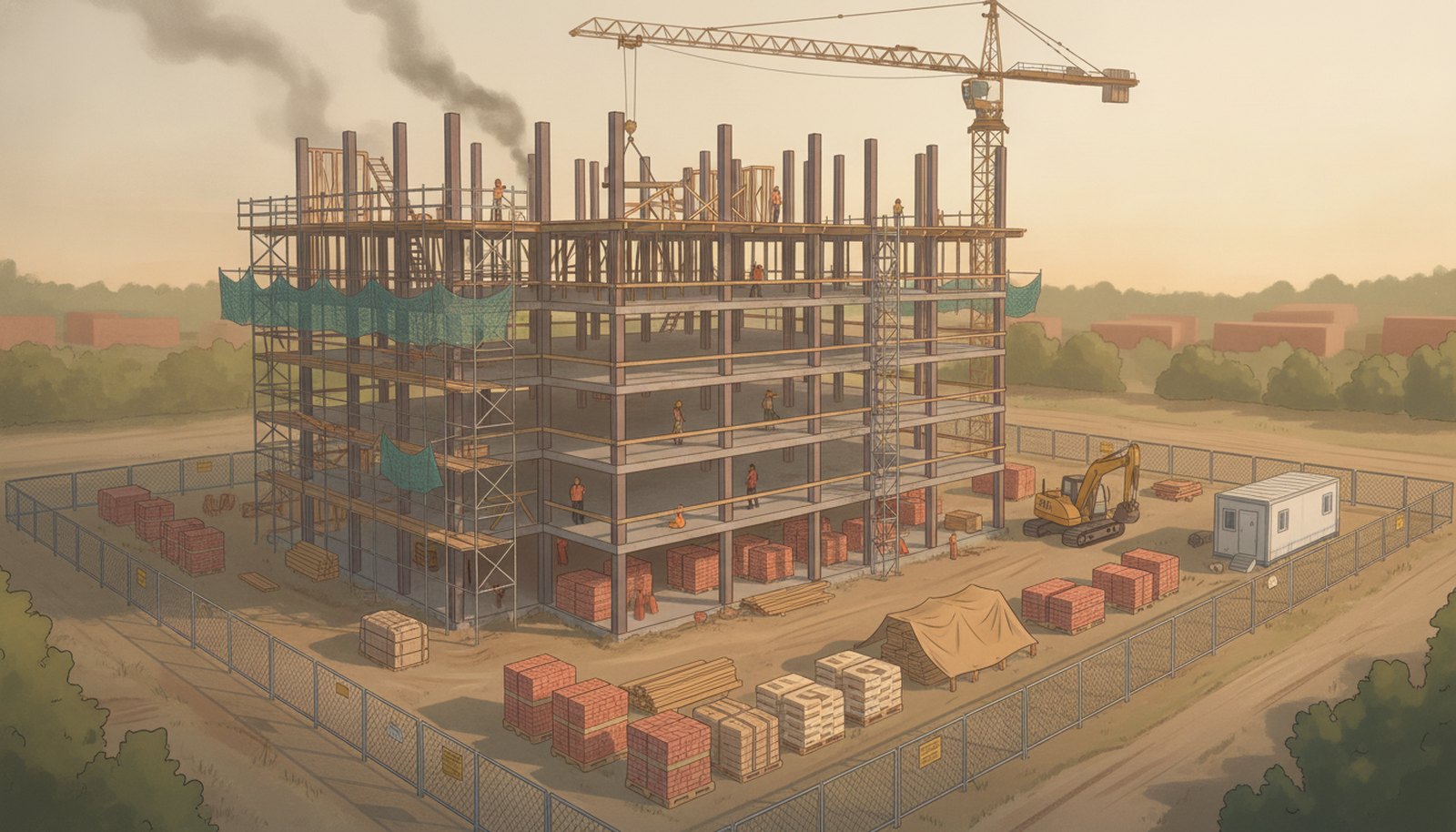
Scaffolding, temporary fencing, site office trailers, construction signs: these structures are necessary to complete the project but are not part of the permanent building. Temporary structures coverage extends the policy to these items. A windstorm that collapses a scaffolding rig or a vehicle that takes out a site fence on a busy I-84 corridor commercial project can create both a safety hazard and a schedule delay. Coverage here helps get the temporary infrastructure back up without eating into the project contingency.
Soft costs
When a covered loss delays a project, the financial damage goes beyond the physical repairs. Soft cost coverage addresses the secondary expenses that pile up: additional loan interest, extended insurance premiums, real estate taxes accruing on a project that cannot open, and in some cases lost rental or sales income. For a developer financing a multi-unit build in Eagle or a restaurant owner waiting to open a new location in Meridian, weeks of delay carry real dollar costs that soft cost coverage is designed to offset.
Pairs well with
General Liability Insurance
Builders risk covers the physical project; general liability covers bodily injury and property damage claims made by third parties at or near the construction site. Most project owners and lenders require both.
Learn more ›Workers' Compensation Insurance
Builders risk explicitly excludes worker injuries. Idaho requires most employers to carry workers' comp, and it is the policy that actually responds when a crew member is hurt on the job.
Learn more ›Commercial Auto Insurance
Vehicles hauling materials to the jobsite, or equipment towed between sites, need commercial auto coverage. Builders risk does not extend to vehicles or their contents while in transit.
Learn more ›Contractor's Equipment / Inland Marine Insurance
Equipment coverage inside a builders risk policy is project-specific and expires when the project ends. A separate contractor's equipment policy follows your tools and machinery from site to site across every job you run.
Learn more ›Commercial Umbrella Insurance
Large construction projects carry large liability exposures. An umbrella policy sits above your general liability and other underlying limits, adding an extra layer of protection when a single claim is unusually severe.
Learn more ›