
Personal Insurance
Specialty Coverage for the Yacht You've Worked Hard to Own
Yacht insurance goes beyond standard boat policies to match the value, complexity, and liability exposure of a high-value vessel.
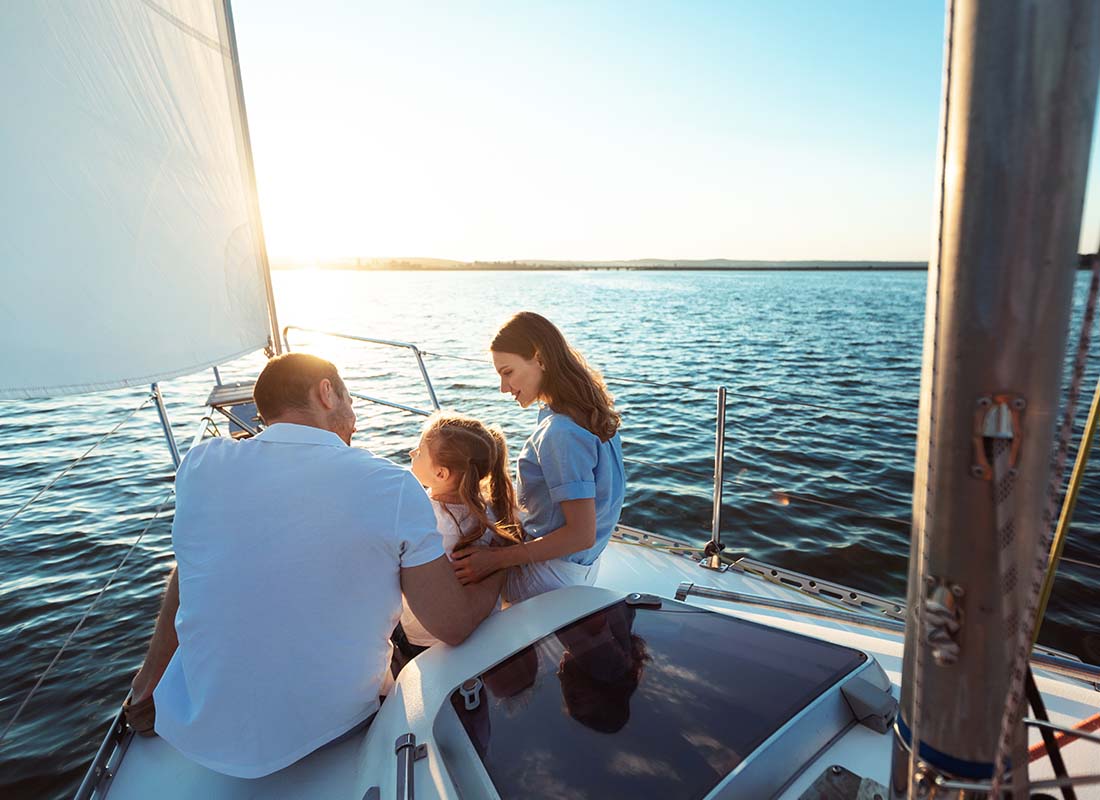
Yacht insurance is a specialty marine policy designed to protect high-value vessels, typically defined as boats over 26 feet or worth well above the threshold of a standard boat policy. It covers physical damage to the vessel itself, liability if you injure someone or damage another boat, and a range of optional protections built around how and where you actually use the yacht. Bittick shops this coverage with carriers that write specialty marine risks, so the policy fits what your yacht is actually worth and how far you take it out, whether you're on the Snake River's reservoir system in southwest Idaho or running offshore in the Gulf from the Texas coast.
What this coverage includes
Hull coverage: agreed value vs. actual cash value
The hull section of your policy pays to repair or replace the yacht after a covered loss: collision, fire, theft, sinking, storm damage, and similar events. You have two basic valuation choices. An agreed-value policy locks in a payout amount at policy inception, so if the yacht is a total loss you receive exactly that figure. An actual-cash-value policy costs less upfront but pays the market value at the time of the claim, which accounts for depreciation. For a yacht that holds its value or carries significant improvements, agreed value usually makes the most sense.
Liability for collisions, injuries, and property damage
Liability coverage pays when you're responsible for damaging another person's vessel, injuring passengers aboard your yacht, or causing property damage to someone on a nearby watercraft. It also covers your legal defense costs if you're sued. Limits on a yacht policy are typically much higher than on a standard recreational boat policy, which matters when the other boat in the collision is also a six-figure investment. Make sure your liability limit is high enough to cover the realistic cost of replacing what you might hit, not just the legal minimum.
Pollution liability and cleanup costs
Federal and state environmental laws require vessel owners to pay for fuel spills and other pollution they cause, regardless of how accidental the discharge was. Yacht policies can include pollution liability coverage that picks up those cleanup costs and the fines associated with them. This is an area where boat policies often fall short, and it's worth confirming the sublimit with Bittick before you bind coverage.
Uninsured and underinsured boater coverage
Not every vessel on the water is properly insured. If an uninsured boater collides with your yacht and can't pay for the damage, uninsured boater coverage steps in to cover your repairs and your medical expenses. It works much like uninsured motorist coverage on an auto policy, and it's an add-on worth carrying when you're sharing busy waterways with recreational boaters of widely varying experience levels.
Emergency towing, assistance, and hurricane haul-out
Optional endorsements can round out a yacht policy in practical ways. Emergency towing coverage pays if your yacht breaks down offshore and needs assistance back to the marina. Hurricane haul-out coverage reimburses the cost of moving the vessel to a safe location when a storm warning is issued. Some policies also cover personal property aboard, navigational equipment, and dinghy or tender coverage. These are the details worth reviewing line by line before renewal.
Pairs well with
Umbrella Insurance
A personal umbrella policy adds a layer of liability protection above your yacht policy limits. If a serious collision or injury claim exceeds your yacht liability limit, the umbrella picks up the difference rather than your personal assets.
Learn more ›Homeowners Insurance
Your homeowners policy typically covers very little, if anything, for a yacht. Confirming the gap between your homeowners coverage and your yacht policy prevents double assumptions about what's actually protected.
Learn more ›Boat Insurance
If you own a smaller recreational boat in addition to the yacht, a separate boat policy covers that vessel at limits and premiums appropriate to its lower value.
Learn more ›Personal Watercraft Insurance
Jet skis and similar personal watercraft typically require their own policy. If you transport a PWC aboard the yacht or use one off the same dock, it should carry dedicated coverage.
Learn more ›What this coverage protects against
Common risks and how this coverage addresses them. Tap any scenario to expand.
-
Hull damage after a collision with a submerged object
The risk
You're returning to the marina at dusk and strike a partially submerged log. The impact tears a section of the hull below the waterline and the repair estimate comes in at $40,000. Without physical damage coverage, that bill lands entirely on you.
How this coverage helps
The hull section of your yacht policy covers the repair cost, minus your deductible. If you chose agreed value, your payout isn't reduced by depreciation, so you're not coming out of pocket to cover the difference between what the repair costs and what the insurer thinks the boat is worth today.
-
Passenger injury from an unexpected wake
The risk
A guest on your yacht loses footing when a passing speedboat throws an unexpected wake and suffers a broken wrist. They seek medical treatment and later notify you they're considering legal action for the medical bills and lost work.
How this coverage helps
Your yacht liability coverage pays the injured passenger's medical expenses and your legal defense costs if a suit is filed. Carrying a limit that reflects the realistic cost of a serious injury, not the minimum, is the difference between a covered claim and a financial crisis.
-
Fuel spill during refueling at the dock
The risk
A fueling overflow at the dock sends diesel into the water. Under federal law, you're responsible for the cleanup regardless of how the spill happened. Environmental remediation costs can run well into the tens of thousands of dollars before any fines are assessed.
How this coverage helps
Pollution liability coverage on your yacht policy covers the mandated cleanup costs and associated fines. This is an exposure that surprises many first-time yacht owners, and it's one of the clearest reasons a yacht policy carries higher limits than a standard recreational boat policy.
-
Total loss from a marina fire
The risk
A fire that starts on a neighboring vessel spreads down the dock and reaches yours. The yacht is declared a total loss. If your policy is written on actual cash value terms, the payout reflects depreciation, which could be significantly less than replacement cost for a well-maintained vessel.
How this coverage helps
An agreed-value policy locks in the insured value at the time you bind coverage. A total loss pays the agreed amount, giving you a realistic path to replacing the vessel rather than covering the gap yourself.
-
Uninsured boater damages the stern at anchor
The risk
While your yacht is anchored, a recreational boater operating without insurance hits the stern in a no-wake zone. The damage is real, the other party has nothing to collect from, and the standard liability coverage on your policy won't help here because you didn't cause the damage.
How this coverage helps
Uninsured boater coverage fills that gap. It covers your repair costs and your medical expenses when the at-fault party can't pay, functioning exactly the way uninsured motorist coverage works on your auto policy.
-
Engine failure 20 miles offshore requiring a tow
The risk
The engine shuts down 20 miles out. There's no simple roadside-assistance equivalent on open water: a professional marine tow from that distance can cost $2,000 to $5,000 or more depending on conditions and how long the tow company has to run to reach you.
How this coverage helps
Emergency towing coverage, added as an endorsement to your yacht policy, covers those costs up to the policy sublimit. It's an inexpensive add-on relative to what a single offshore tow actually costs.
-
Hurricane warning triggers mandatory vessel relocation
The risk
A storm watch is upgraded to a warning and the marina requires all vessels to be moved or hauled before the storm arrives. The haul-out, storage, and relaunch fees come to several thousand dollars, and that's before any actual storm damage occurs.
How this coverage helps
Hurricane haul-out coverage reimburses those preventive relocation costs. For yacht owners in coastal regions or areas with severe weather exposure, having this endorsement means you can act quickly on a warning without doing the math on whether you can afford to move the boat.
-
Theft of chartplotters and marine electronics while docked
The risk
Your yacht sits at a slip overnight and someone removes the chartplotter, VHF radio, and sonar unit. Marine electronics are expensive, targeted by thieves who know the resale market, and often not adequately covered under a standard homeowners policy.
How this coverage helps
Yacht policies can include coverage for onboard personal property and navigational equipment. Confirming those sublimits when you set up the policy, rather than after a theft, is how you avoid finding out the coverage doesn't match what the equipment actually costs to replace.