
Personal Insurance
Travel Insurance That Covers You Before, During, and After
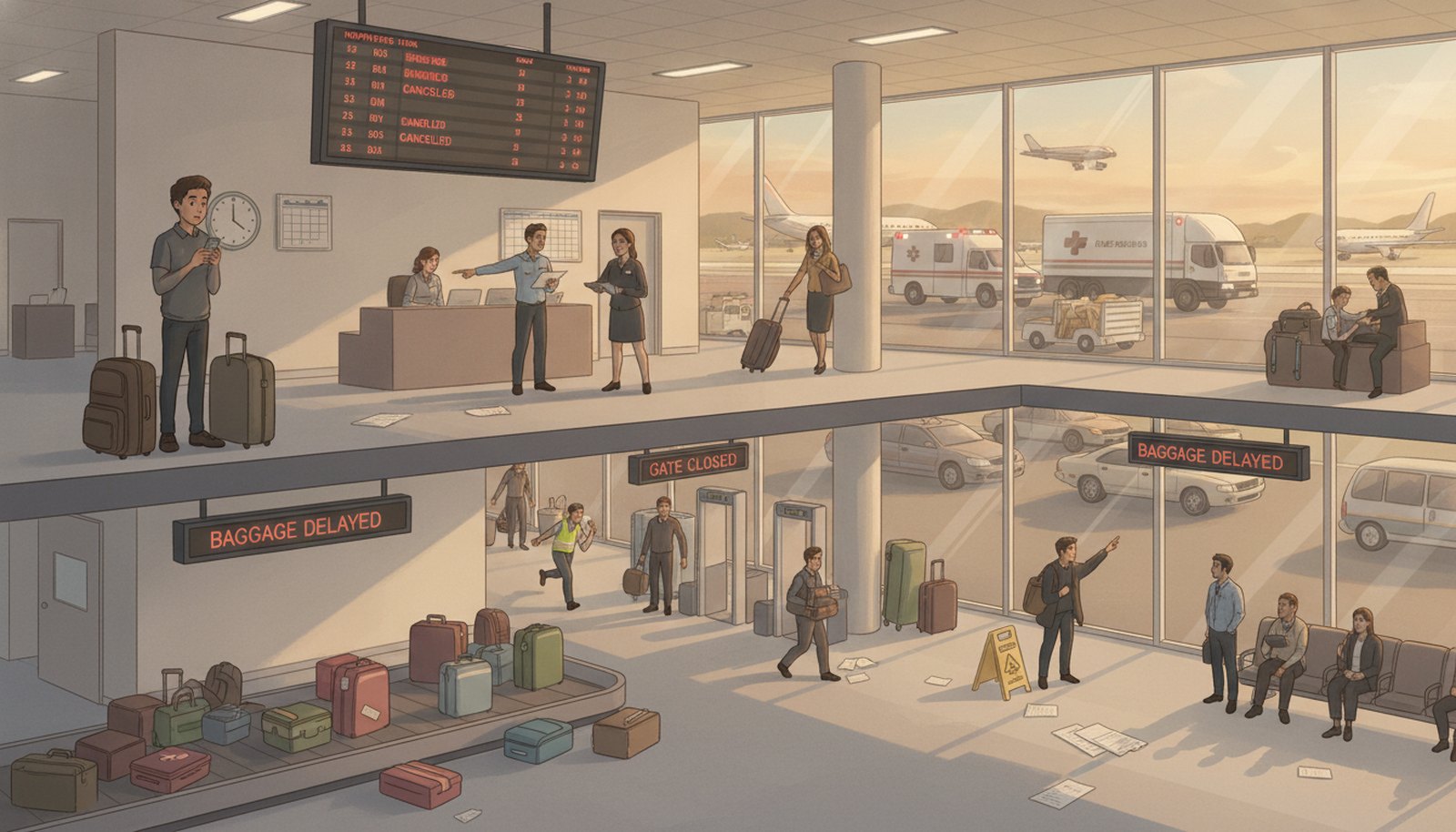
From a canceled flight out of Boise to a medical emergency overseas, travel insurance protects the money you've spent and the trip you've planned.

Travel insurance is a category of coverage that reimburses you for financial losses when something goes wrong before or during a trip, including canceled flights, unexpected illness, lost luggage, and emergency medical care in places your regular health insurance won't reach. It's not a single policy with one price; it's a bundle of optional coverages you select based on where you're going and what you're risking. A weekend drive down to San Antonio carries different exposure than two weeks in Southeast Asia, and the right mix of coverage changes accordingly. Bittick shops travel policies across multiple carriers so you get the specific protections that match your actual itinerary, not a generic package built for someone else's trip.
Travel brings adventure, but the unexpected can happen anywhere.
From cancelled flights to medical emergencies abroad, we help you travel with confidence by matching you to the right coverage.
What this coverage includes
Trip cancellation and interruption
Trip cancellation coverage reimburses prepaid, non-refundable costs if you have to cancel before you leave for a covered reason, such as a serious illness, a death in the family, or a natural disaster that makes travel impossible. Trip interruption coverage handles the same kind of loss from the other end: if you're already traveling and a covered emergency forces you home early, it reimburses unused expenses and can cover the cost of last-minute return transportation. These two coverages together protect the financial commitment you made when you booked.
Travel medical coverage and emergency evacuation
Your standard health insurance plan likely has limited or no coverage outside the United States, and even domestic plans may have narrow out-of-network benefits. Travel medical insurance covers treatment costs if you get sick or injured while traveling. Emergency evacuation and repatriation coverage goes further: if you suffer a serious injury abroad and need transport to a qualified facility or back home, it covers those costs, which can run into the tens of thousands of dollars. If you were to die while traveling internationally, repatriation coverage also handles the cost of returning your remains.
Baggage loss, delay, and theft
Baggage coverage works in two modes. If the airline delays your bags, it reimburses you for essentials you have to buy while you wait, things like toiletries and a change of clothes. If your bags are lost, stolen, or damaged, it helps replace the contents. Coverage limits and exclusions vary by policy, particularly for electronics and valuables, so it's worth reading those terms before you assume everything in your suitcase is fully covered.
Trip delay and missed connections
When a covered event holds up your travel, trip delay coverage reimburses out-of-pocket costs you incur while waiting: meals, lodging, and local transportation. Missed connection coverage kicks in specifically when a delay causes you to miss a subsequent flight or departure, helping cover the cost to rebook and any accommodation expenses in between. Policies define a minimum delay threshold (often five or six hours) before coverage applies, so the exact trigger matters.
Rental vehicle damage and accidental death coverage
Your personal auto policy may extend to rental cars, but that coverage has gaps, and rental agency waivers are expensive. Rental vehicle coverage in a travel policy can fill the gap for damage you're liable for while driving a rented car at your destination. Accidental death and dismemberment (AD&D) coverage is separate: it functions like a supplemental life insurance benefit, paying a named beneficiary if you die or suffer a qualifying injury while traveling, on top of any life insurance you already carry.
Pairs well with
Personal Umbrella Insurance
If you cause a serious accident while traveling and your underlying liability limits aren't enough, a personal umbrella policy adds a layer of protection above your auto and home coverage.
Learn more ›Homeowners or Renters Insurance
Some homeowners and renters policies extend limited coverage to personal property stolen away from home. Understanding what your existing policy does and doesn't cover helps you avoid buying duplicate baggage coverage.
Learn more ›Life Insurance
Accidental death and dismemberment travel coverage supplements but does not replace life insurance. If your life coverage is thin, an extended trip, particularly international travel, is a good time to revisit your life policy.
Learn more ›