Insurance by Industry
Insurance Built for Wholesalers and Distributors
From a full warehouse in Nampa to a delivery truck on I-84, your inventory faces real risks at every stage.
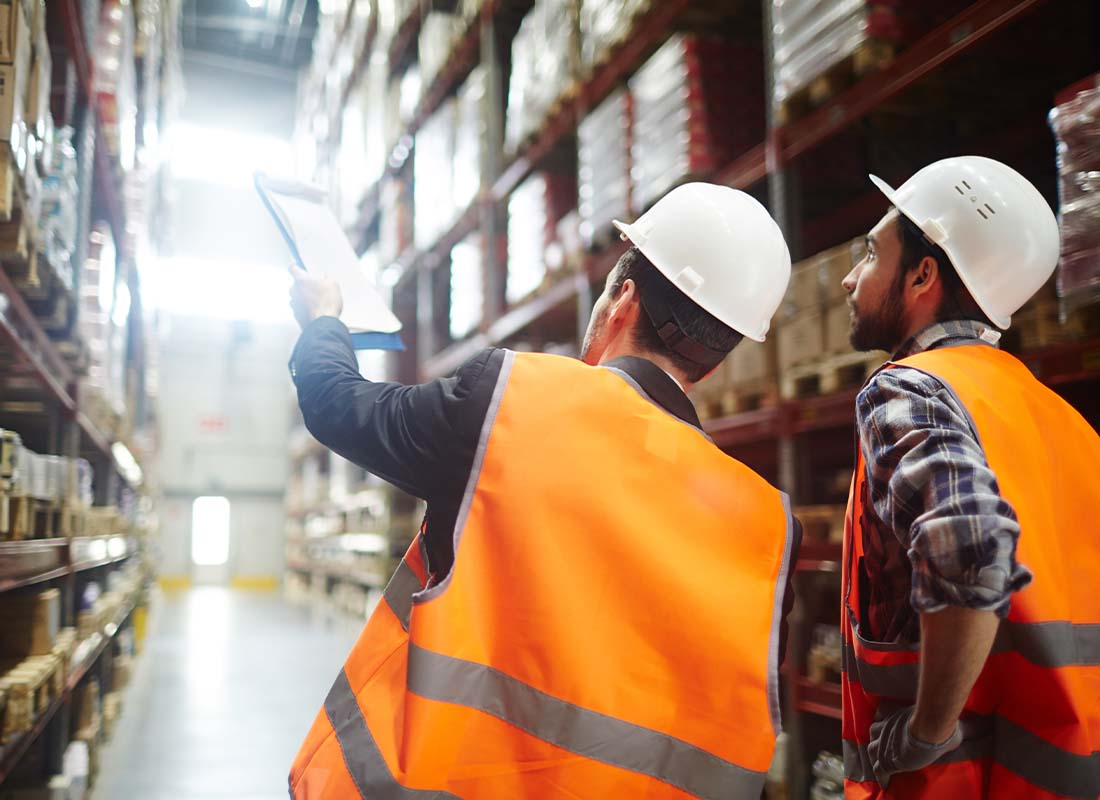
Wholesaler and distributor insurance is a package of commercial coverages designed to protect the large volumes of stock, warehouse facilities, and transit operations that define the wholesale and distribution business model. A single fire, theft, or product recall can ripple across your customers' supply chains, not just your own balance sheet.
Bittick Insurance Services works with wholesalers and distributors across the Treasure Valley and our San Antonio service area to place coverage with carriers that understand high-value inventory, freight liability, and the gap between what a standard commercial property policy covers and what a distribution operation actually needs. We are licensed in CA, CO, ID, NV, OR, TX, VA, and WA.
What this coverage includes
Commercial property coverage for your inventory
Your warehouse stock is probably your single largest asset. Commercial property insurance covers physical loss or damage to inventory on your premises from fire, theft, vandalism, and most named perils. For a food wholesaler running refrigerated storage in Caldwell or a construction materials distributor stacking product near the Nampa rail spur, the coverage limit needs to reflect the realistic replacement value of a fully stocked building, not a rough estimate. Getting that number right matters every time a claim is filed.
Cargo and inland marine coverage for goods in transit
Inland marine insurance is the coverage that follows your product while it moves. The name is old; the coverage is essential. Once a pallet leaves your dock, standard commercial property coverage generally stops protecting it. Cargo and transit coverage picks up there, covering goods you own or are responsible for while they are in a truck, on a rail car, or staged at a third-party facility. This matters especially on longer runs out of Boise down I-84 toward Portland or east toward Twin Falls and beyond.
General liability for third-party injury and property damage
General liability insurance covers bodily injury or property damage claims made by people who are not your employees. For a distributor, that means a customer injured in your warehouse, a delivery driver who damages a client's loading dock, or a visiting sales rep who trips over a pallet jack. This coverage pays defense costs and settlements, which can be significant even when your operation did nothing obviously wrong.
Product liability and product recall coverage
Because you sit in the middle of the supply chain, you can be named in a product liability claim even when you did not manufacture the item. Product liability coverage responds to claims that a product you distributed caused injury or property damage. Product recall coverage addresses the costs of pulling a product back from customers when a safety issue or contamination is identified. Both are relevant whether you distribute food products, medical equipment, electronics, or building materials.
Business income and additional optional coverages
If a covered loss shuts down your facility, business income insurance replaces lost revenue while you get back to operating. Beyond the core package, distributors often add cyber liability coverage (data breaches involving customer or supplier records), employment practices liability (wrongful termination or discrimination claims), and equipment breakdown coverage for leased forklifts, conveyor systems, or refrigeration units. The right combination depends on how you operate.
Pairs well with
Commercial Auto Insurance
If your operation runs its own delivery vehicles, commercial auto covers liability and physical damage on those trucks. Personal auto policies exclude business use at this scale.
Learn more ›Workers Compensation Insurance
Warehouse and distribution work carries real injury exposure: forklifts, heavy lifts, repetitive motion. Idaho and Texas both require workers comp for most employers, and the rates reflect your payroll and loss history.
Learn more ›Cyber Liability Insurance
Wholesale and distribution businesses increasingly run on EDI and cloud-based inventory platforms. A breach or ransomware attack affecting customer purchase orders or supplier contracts can create significant liability and recovery costs.
Learn more ›Commercial Umbrella Insurance
A product liability verdict or a serious third-party injury can exceed the limits on your general liability or commercial auto policy. An umbrella policy adds a layer of coverage above those underlying limits.
Learn more ›Employment Practices Liability Insurance
Distribution operations with large hourly workforces face a higher frequency of wage, termination, and discrimination claims. EPLI covers defense costs and settlements for those employment-related suits.
Learn more ›What this coverage protects against
Common risks and how this coverage addresses them. Tap any scenario to expand.
-
Fire damages a warehouse full of construction materials before a major delivery.
The risk
A Meridian-area distributor supplying lumber and fasteners to framing crews has a full warehouse two days before a large project delivery. An electrical fire starts overnight and destroys a significant portion of the stored inventory. The loss is not just the materials; it is the delay cost and the obligation to the contractor waiting on site.
How this coverage helps
Commercial property coverage pays to replace the damaged inventory. Business income coverage addresses the revenue lost during the period the warehouse is being repaired and restocked. The distributor can fulfill the contract with a replacement order rather than losing the account.
-
A product you distributed is recalled for contamination.
The risk
A food wholesaler supplying grocery chains across Southern Idaho learns that a packaged product in their last three shipments is the subject of a supplier-initiated recall. The wholesaler did not manufacture the item, but they moved it through the supply chain and are named in the downstream notification process.
How this coverage helps
Product recall coverage helps pay the costs of notifying customers, pulling product back from retailers, and managing the logistics of the recall. Product liability coverage responds if a customer who consumed the product files a claim, even though the wholesaler was not the manufacturer.
-
Cargo is stolen from a trailer parked during an overnight stop.
The risk
A driver hauling electronics from a Boise-area distributor to a customer in Eastern Oregon stops overnight near Ontario. When the driver checks the trailer the next morning, the lock has been cut and a portion of the cargo is gone. The goods were off the warehouse premises and not yet delivered.
How this coverage helps
Cargo and inland marine coverage protects goods in transit, including theft during stops. The distributor files a claim for the stolen inventory value rather than absorbing the loss or facing a dispute with the customer about who is responsible.
-
A visiting buyer trips on a pallet jack left in a warehouse aisle.
The risk
A purchasing manager from a retail chain comes to a Nampa warehouse for a product walkthrough. A pallet jack left in an aisle catches the buyer's foot and they fall, fracturing a wrist. The buyer's employer contacts your business about the medical bills and lost work time.
How this coverage helps
General liability insurance covers bodily injury claims from third parties on your premises. It pays defense costs if the claim becomes a lawsuit and covers a reasonable settlement, so the distributor is not paying those costs out of operating funds.
-
A ransomware attack locks your order management system for three days.
The risk
A medical equipment distributor uses a cloud-based inventory and order management platform. An employee opens a phishing email and ransomware is deployed across the network. Incoming orders cannot be processed, outgoing shipments stall, and the system contains supplier and customer account data that may have been accessed.
How this coverage helps
Cyber liability insurance covers the cost of the incident response team, notifying affected parties, and any regulatory requirements triggered by the data exposure. Business interruption coverage tied to the cyber event can also address the revenue lost during the three days the system was offline.
-
A delivery driver backs into a client's loading dock and causes structural damage.
The risk
One of your drivers is making a delivery to a furniture retailer in Caldwell and misjudges the dock clearance. The truck impacts a structural support for the dock canopy, causing several thousand dollars in damage to the building. The retailer bills your company for repairs.
How this coverage helps
General liability coverage responds to property damage your operations cause at a third party's location. The policy covers the cost to repair the retailer's loading dock, and if the claim escalates, it covers defense costs as well.
-
A forklift breaks down and spoils a refrigerated storage run.
The risk
A leased forklift in a cold storage facility used by a Boise-area food distributor experiences an electrical failure. Moving product becomes manual, the cold chain protocol is disrupted, and a portion of temperature-sensitive inventory is compromised by the time the forklift is repaired.
How this coverage helps
Equipment breakdown coverage on leased equipment covers repair or replacement costs for the failed forklift. The business income component addresses the disruption cost, and the property coverage responds to the spoiled inventory if the policy includes spoilage coverage as an endorsement.