Insurance by Industry
Insurance built for businesses that keep things moving
From a single-truck hauler on I-84 to a multi-state fleet, Bittick shops the right carriers to match your transportation operation.
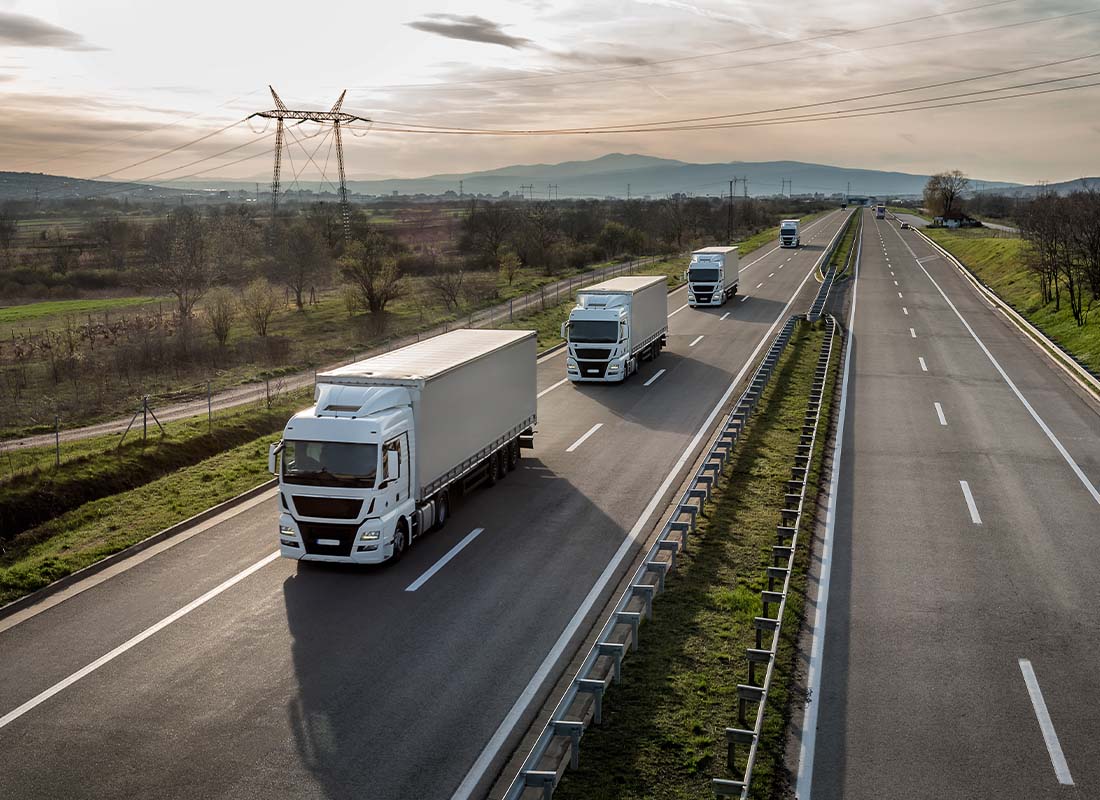
Transportation insurance is a category of commercial coverage designed for businesses whose core operations involve moving goods, people, or vehicles from one location to another. It bundles or layers policies to address the specific liability, cargo, and property exposures that come with operating trucks, buses, vans, or logistics networks.
A sole owner-operator running produce from the Snake River Valley to a Boise distribution hub faces different risks than a medical transport company shuttling patients across the Treasure Valley, or a carrier moving high-value freight between states. Bittick works as an independent agency, placing coverage with multiple carriers, so we can build a program around what your operation actually does rather than fitting you into a one-size shelf product.
What this coverage includes
Commercial auto and fleet coverage
For most transportation businesses, the vehicles themselves are both the biggest asset and the biggest liability. A commercial auto policy covers physical damage to your own vehicles and pays for property damage or bodily injury your drivers cause. If you operate five or more vehicles, fleet insurance typically makes more practical sense than insuring each unit separately. Fleet programs can include scheduled vehicles, hired-and-non-owned auto coverage for drivers using personal vehicles on company business, and blanket physical damage options that simplify claims when you have a large number of units on the road at any given time.
Cargo and inland marine coverage
Inland marine coverage protects goods in transit regardless of whether they are on a truck, rail car, or sitting in a warehouse mid-shipment. What you carry matters significantly: high-value electronics, refrigerated food products, livestock, and medical equipment each carry different theft, spoilage, and damage exposures. A blanket cargo policy may work for general freight, but specialized cargo like livestock or temperature-sensitive pharmaceuticals often needs a form with specific language covering those risks. If your operation includes temporarily storing customer-owned goods in a warehouse, you also need bailee coverage, which protects items that belong to someone else while they are in your care.
Passenger liability for people-moving operations
Transportation businesses that move people rather than freight, including medical transport vans, charter buses, limousines, and shuttle services, carry a distinct liability profile. A standard commercial auto policy usually is not enough. Passenger liability coverage addresses bodily injury claims from riders involved in an accident, and it can extend to loading and unloading situations where a passenger is injured boarding or exiting the vehicle. For medical transport operators, coverage should also address the non-emergency medical transport (NEMT) compliance requirements that Idaho Medicaid and similar programs may impose on contracted providers.
Logistics liability and contingent coverage
Brokers, freight forwarders, and third-party logistics (3PL) operators often arrange transportation without physically handling the freight. That still creates liability exposure. If a shipment is delayed, misrouted, or damaged while in a carrier you hired, the shipper may hold you responsible. Freight broker liability and contingent cargo coverage protect logistics coordinators when the underlying carrier's policy does not respond fully. This matters especially for Treasure Valley businesses that coordinate agricultural shipments on tight harvest schedules, where a delayed load is not just an inconvenience but a financial event.
General business coverages for transportation companies
Beyond the transportation-specific forms, most operators need a full commercial foundation: general liability for third-party bodily injury and property damage that happens on your premises or as a result of your operations, commercial property coverage for your terminal, office, or maintenance shop, and cyber liability if you store customer data or dispatch through a connected fleet management system. Employment practices liability (EPLI) protects against discrimination and harassment claims from employees, a real exposure for businesses with large driver workforces managing fatigue, scheduling, and federal DOT compliance simultaneously.
Pairs well with
Commercial Auto Insurance
The foundation of any transportation program. Covers liability, collision, and comprehensive damage for business-owned vehicles, with fleet options for larger operations.
Learn more ›General Liability Insurance
Covers third-party bodily injury and property damage claims arising from your premises or business operations, including your terminal and dispatch office.
Learn more ›Commercial Property Insurance
Protects your physical location: the maintenance shop, warehouse, office equipment, and any tools or parts stored on-site.
Learn more ›Workers Compensation Insurance
Required by Idaho law when you have employees. Covers medical costs and lost wages for drivers or warehouse staff injured on the job.
Learn more ›Cyber Liability Insurance
Transportation companies that use fleet management software or store customer shipping data are exposed to breach and ransomware events. Cyber liability coverage addresses notification costs, recovery expenses, and third-party claims.
Learn more ›Employment Practices Liability (EPLI)
Protects your business against employee claims of discrimination, wrongful termination, or harassment, a meaningful exposure for fleets managing large hourly driver workforces.
Learn more ›What this coverage protects against
Common risks and how this coverage addresses them. Tap any scenario to expand.
-
Driver causes an accident on the highway injuring another motorist.
The risk
One of your drivers merges too early on I-84 near Meridian and clips a passenger vehicle, sending the other driver to the emergency room and totaling their car. The injured party files a bodily injury claim and a property damage claim against your business the same week.
How this coverage helps
Your commercial auto liability coverage pays the injured driver's medical bills and compensates them for their vehicle. Your policy's limits determine how far that protection extends, which is exactly why reviewing those limits before your fleet grows is worth doing.
-
Cargo stolen from an unattended truck overnight.
The risk
A driver pulls off near a truck stop outside Caldwell and returns in the morning to find the trailer doors pried open and a significant portion of the load gone. The shipper expects full reimbursement for the missing goods.
How this coverage helps
A cargo insurance policy covers the value of the stolen freight up to the policy limit. Without it, your business absorbs the loss directly, which can be severe when the load involved electronics, tools, or other high-value merchandise.
-
Passenger injured stepping off a medical transport van.
The risk
A patient using your non-emergency medical transport service catches their foot on the van's step during unloading and falls, fracturing a wrist. They retain an attorney and send a demand letter to your company within the month.
How this coverage helps
Passenger liability coverage addresses bodily injury claims from people riding in or boarding your vehicles. It handles the defense costs and any settlement or judgment, keeping the claim from coming directly out of your operating account.
-
Shipper holds your brokerage responsible for a carrier's missed delivery.
The risk
You arranged a freight move for an agricultural supplier needing product delivered ahead of a harvest deadline. The carrier you booked broke down in Nevada and the load arrived two days late. The shipper lost a contract and is pursuing damages from your brokerage.
How this coverage helps
Freight broker liability coverage responds when a carrier you hired fails and the shipper holds your brokerage accountable. It covers legal defense and damages, protecting the business you built coordinating logistics from claims that originate with someone else's equipment failure.
-
Terminal fire destroys two vehicles and damages the shop.
The risk
An electrical fire starts overnight in your maintenance bay in Nampa. By the time the fire department arrives, two trucks parked inside and a significant portion of your tools and diagnostic equipment are destroyed.
How this coverage helps
Commercial property coverage addresses the building and its contents, while physical damage coverage on your commercial auto policy covers the vehicles themselves. Having both working together means you are not choosing between replacing your shop and replacing your fleet.
-
Refrigeration unit fails and a perishable load is lost.
The risk
Your reefer unit malfunctions during an overnight run carrying fresh produce from a Snake River Valley packing house. The entire load is unsalvageable by delivery time, and the shipper wants compensation for the full value of the spoiled product.
How this coverage helps
A cargo policy written for temperature-sensitive freight includes spoilage coverage that responds when a mechanical failure causes product loss. The policy reimburses the shipper's loss up to the stated limit, allowing the business relationship to survive the incident.
-
A data breach exposes customer shipment records.
The risk
Your dispatch system is compromised and the personal and business information of dozens of shippers, including payment details and delivery addresses, is accessed by an outside party. You are required by Idaho law to notify affected parties and face potential liability for the exposure.
How this coverage helps
Cyber liability insurance covers the cost of breach notification, credit monitoring services, public relations response, and defense against third-party claims from affected customers. For transportation companies running connected dispatch and fleet management platforms, this coverage fills a gap that a commercial auto or general liability policy will not.
-
An employee files a harassment claim against a dispatcher.
The risk
A driver files a formal complaint alleging ongoing workplace harassment by a dispatch supervisor. The company faces a potential EEOC charge and a civil lawsuit, along with the internal HR costs of investigating the claim and the legal fees of responding to it.
How this coverage helps
Employment practices liability insurance (EPLI) covers defense costs and damages arising from employee claims of discrimination, harassment, or wrongful termination. Transportation companies with large hourly workforces spread across multiple shifts carry a higher-than-average EPLI exposure, making this coverage worth including in any full program.