Insurance by Industry
Insurance built for self-storage facility owners
From commercial property to crime coverage, Bittick shops multiple carriers to find the right fit for your facility.
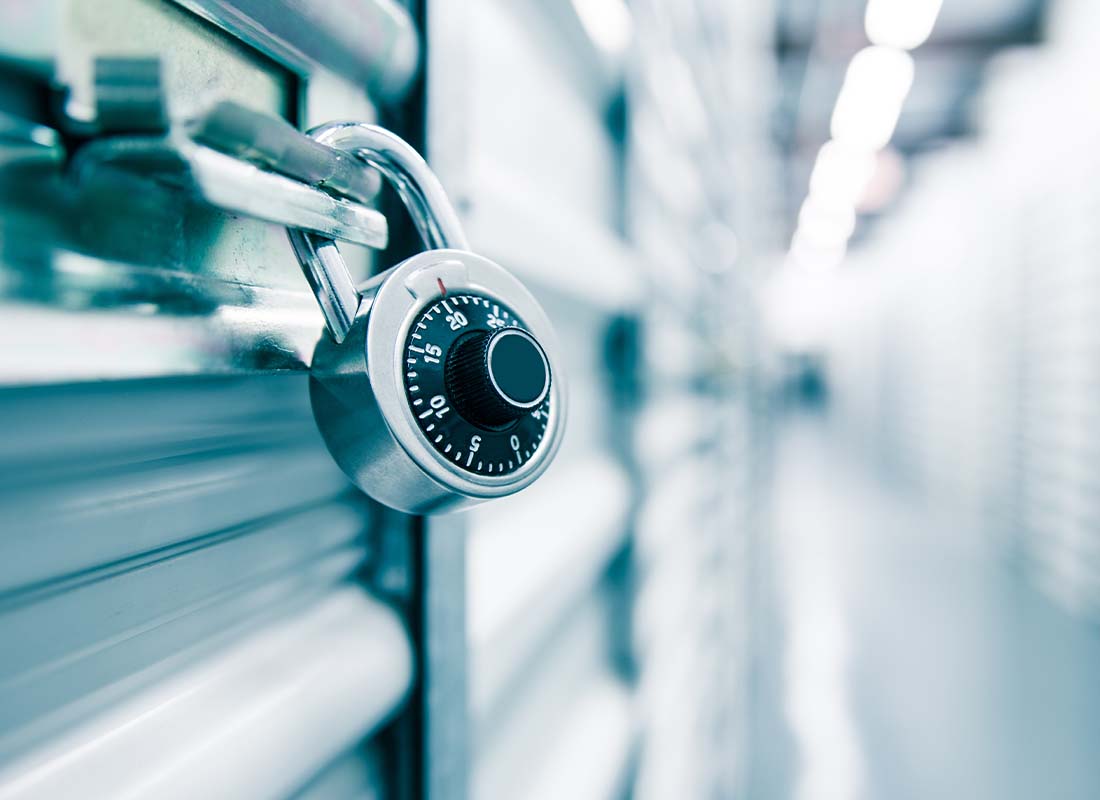
Self-storage facility insurance is a bundle of commercial coverages designed to protect the physical units, the business operations, and the liability exposures that come with letting the public store their belongings on your property. Your buildings are your product: without them, you have no revenue. A fire, a burst pipe, or a windstorm that damages a row of units does not just cost you repair money, it costs you rental income while those units sit empty.
Bittick Insurance, based in Eagle, Idaho, places self-storage policies for facility owners across the Treasure Valley and through our San Antonio office for operators in the greater Hill Country corridor. We work with multiple carriers, so we compare options rather than hand you a single take-it-or-leave-it quote.
What this coverage includes
Commercial property coverage for your units and buildings
Your storage units, office building, fencing, lighting, and signage are all insurable property. Commercial property insurance covers physical damage to those structures from fires, storms, vandalism, and other covered perils. For a facility in the Treasure Valley, that means coverage relevant to freeze-thaw pipe damage in winter and wildfire-smoke-season wind events in summer. If the damage is bad enough to force a temporary closure, business income coverage (sometimes called business interruption) replaces the rental income you lose while repairs happen.
General liability for tenant and visitor injuries
General liability insurance covers bodily injury and property damage claims made against your business by third parties. A tenant trips in a poorly lit aisle and breaks a wrist. A visitor's car is damaged by a falling gate arm. A neighboring property owner claims runoff from your lot damaged their landscaping. In each case, general liability covers the legal defense costs and any settlement or judgment, up to your policy limit. It does not cover your own property or your employees, but it is the foundational coverage every facility operator needs.
Equipment breakdown for climate-controlled units
If your facility offers climate-controlled storage, the HVAC and refrigeration systems keeping those units at stable temperatures are critical infrastructure. Equipment breakdown insurance covers the cost to repair or replace that equipment when it fails due to a mechanical or electrical breakdown, not just fire or storm damage. It can also cover spoilage or damage to a tenant's stored property caused by the equipment failure, which matters when a tenant claims their art, electronics, or wine collection was ruined by a temperature spike.
Crime and employee dishonesty coverage
Crime insurance protects your facility from theft, burglary, and fraud directed at your business. Employee dishonesty coverage, a subset of crime insurance, covers situations where a staff member steals from a tenant's unit or skims cash from rental payments. For a self-storage operator, the exposure is real: employees have access to master keys, tenant records, and payment data. These coverages pay the direct financial loss to your business and can help with tenant claims when your employees are at fault.
Sales and disposal liability and cyber coverage
Sales and disposal liability covers your business if a tenant sues over the handling of their property after non-payment. It is a narrow but important coverage: if an employee auctions off the wrong tenant's unit by mistake, you are facing a lawsuit for the replacement value of everything inside. Separately, if you accept online payments or store tenant contact and payment information digitally, cyber liability insurance covers the costs of a data breach, including notification expenses, credit monitoring, and legal defense if affected tenants sue.
Pairs well with
Workers' Compensation Insurance
If you have employees, Idaho law requires workers' comp. It covers medical bills and lost wages when a staff member is hurt on the job, whether that is a back injury from moving equipment or a cut from a damaged unit door.
Learn more ›Commercial Umbrella Insurance
An umbrella policy adds a higher layer of liability coverage above your general liability and other underlying policies. It activates when a claim exhausts your base policy limits, which matters if a serious injury lawsuit pushes past a standard $1 million limit.
Learn more ›Employment Practices Liability Insurance (EPLI)
EPLI covers your business against claims from employees alleging wrongful termination, discrimination, or harassment. Even a small facility with a handful of employees faces this exposure, and legal defense alone can be costly.
Learn more ›Cyber Liability Insurance
Facilities that store tenant payment data or use online rental portals carry real data-breach exposure. Cyber liability covers breach response costs, regulatory fines, and third-party claims from tenants whose information was compromised.
Learn more ›Commercial Auto Insurance
If your facility operates a golf cart, tow vehicle, or any other vehicle on-site or on public roads, a personal auto policy will not cover business use. Commercial auto fills that gap.
Learn more ›What this coverage protects against
Common risks and how this coverage addresses them. Tap any scenario to expand.
-
Fire tears through a unit block during a dry Idaho summer.
The risk
A fire starts in one unit and spreads across an entire building section before the fire department arrives. Twelve units are destroyed and another eight are smoke-damaged. You lose rental income on all twenty units for three months during repairs.
How this coverage helps
Commercial property insurance covers the cost to rebuild the unit structures. Business income coverage replaces the rental revenue you lose during the repair period, so your mortgage and operating costs stay covered while the facility is partially offline.
-
A tenant slips on black ice at the gate entrance in January.
The risk
A tenant visiting their unit on a cold Treasure Valley morning slips on ice near the entrance, fractures their wrist, and files a premises liability claim against your business. They hire an attorney and seek medical costs plus damages.
How this coverage helps
General liability insurance covers the legal defense and any settlement or judgment. You do not pay out of pocket for the attorney fees or the medical claim, and the policy responds regardless of whether the tenant ultimately wins or loses their case.
-
A staff member accidentally auctions the wrong tenant's unit.
The risk
An employee processing a lien sale selects the wrong unit number in your management software. The contents of a fully paid-up tenant's unit are sold off at auction. That tenant contacts an attorney and sues for the replacement value of everything inside.
How this coverage helps
Sales and disposal liability insurance covers your legal defense and any judgment or settlement arising from the mistaken disposal. Without this coverage, you would be paying the tenant's claim and your legal costs entirely out of pocket.
-
Climate-control failure ruins stored electronics in a tenant's unit.
The risk
A compressor on your HVAC system fails over a holiday weekend. Temperatures in a climate-controlled wing spike and stay elevated for two days before anyone notices. A tenant stored vintage audio equipment worth several thousand dollars in that section, and it is damaged.
How this coverage helps
Equipment breakdown insurance covers the cost to repair or replace the failed HVAC equipment. It can also apply to the tenant's property damage claim resulting from the malfunction, depending on policy terms, which keeps a mechanical failure from becoming a large out-of-pocket loss.
-
A long-term employee steals from multiple tenant units over several months.
The risk
A trusted employee with master-key access has been removing small, high-value items from units over a period of several months. Multiple tenants file complaints and eventually the pattern is traced back to the employee. Tenants demand compensation for their losses.
How this coverage helps
Employee dishonesty coverage pays the direct loss your business owes to affected tenants. It also covers your own financial losses if the employee was skimming from rental payments. This is separate from general liability and specifically designed for internal theft scenarios.
-
A data breach exposes tenant payment information.
The risk
Your online rental portal is compromised and a hacker downloads a database containing credit card numbers and contact information for hundreds of current and former tenants. You are required by Idaho law to notify affected individuals, and several tenants threaten to sue.
How this coverage helps
Cyber liability insurance covers the cost of breach notification, credit monitoring services for affected tenants, regulatory response, and legal defense if tenants pursue claims. It also covers forensic investigation costs to determine the scope of the breach.
-
Vandalism disables your gate and perimeter lighting overnight.
The risk
Overnight vandalism leaves your main security gate inoperable and several exterior lights destroyed. The facility is effectively unsecured for a full day while contractors are located and repairs are scheduled. A tenant also notices items missing from their unit.
How this coverage helps
Commercial property insurance covers the repair or replacement cost for the gate system and lighting. Depending on how the theft claim is structured, crime insurance may apply to tenant property stolen during the period your perimeter was compromised.
-
A former employee files a wrongful termination claim.
The risk
You let a part-time employee go after a slow season. Several weeks later, you receive a complaint filed with a state agency alleging the termination was discriminatory. Even without any evidence of wrongdoing, you now need legal representation to respond.
How this coverage helps
Employment practices liability insurance covers the cost of defending against the claim and any settlement you agree to or judgment ordered against you. Legal defense in employment cases runs high even when the employer ultimately prevails, and EPLI keeps that cost from hitting your operating budget directly.