Insurance by Industry
Insurance Built for Nail Salons and Beauty Businesses
From slip-and-fall claims to chemical reactions, nail salons carry real liability exposure that basic business policies often underestimate.
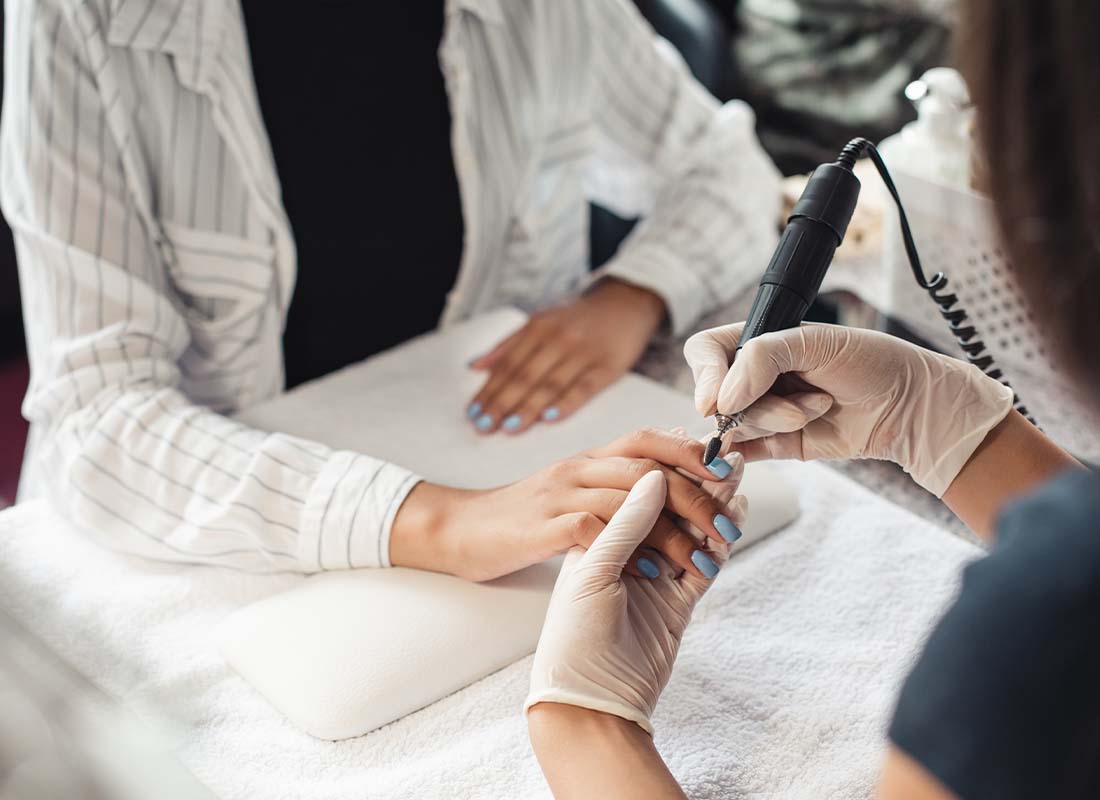
Nail salon insurance is a package of business coverages designed to address the specific risks that come with running a salon: high foot traffic, chemical products, hands-on services, and specialized equipment. A single client injury or product-reaction lawsuit can generate legal costs that far outpace what a bare-minimum general liability policy covers. Bittick shops coverage across multiple carriers to build a policy that fits your operation, whether you own a one-chair studio in Eagle or run a busy multi-station salon in Meridian. We're also licensed in CA, CO, ID, NV, OR, TX, VA, and WA.
What this coverage includes
General Liability for a High-Traffic Space
General liability coverage pays for bodily injury or property damage claims when a third party holds your business responsible. Nail salons see a lot of foot traffic, wet floors, and awkward furniture transitions like stepping down from a pedicure chair. When a client falls and files a claim, this coverage handles defense costs and any settlement or judgment up to your policy limit. Because salon claims can escalate quickly, many owners add a commercial umbrella policy to extend that limit without starting over with a separate policy.
Professional and Product Liability
Professional liability (sometimes called errors and omissions coverage in service industries) covers claims that a service you performed caused harm. Product liability covers claims tied to a product you sold or applied. In a nail salon, these two coverages work together: if a client develops an infection after a nail service or has a skin reaction to a gel product you carried, either coverage may respond depending on how the claim is framed. Carrying both closes a gap that general liability alone leaves open.
Equipment and Inventory Protection
Manicure stations, pedicure spa chairs, UV curing lamps, sterilization equipment, and retail polish inventory add up faster than most salon owners expect. Commercial property coverage reimburses you for repair or replacement when equipment is damaged by fire, water, theft, or vandalism. Make sure your policy limit reflects current replacement cost, not the depreciated value of aging equipment, because buying new-for-old out of pocket stings.
Business Interruption When You Can't Open
A salon's revenue depends entirely on clients walking through the door. If a burst pipe, fire, or covered property loss forces you to close temporarily, business interruption coverage can replace lost income and help pay ongoing expenses like rent, utilities, and payroll while repairs happen. Some policies also cover the cost of operating from a temporary location so you can keep serving clients during the downtime.
Workers' Compensation, Cyber, and EPLI
Workers' compensation is required in most states once you have employees, and it covers medical bills and lost wages when a staff member is injured on the job. Given that salon techs work with chemicals and repetitive motions, claims do happen. Cyber liability matters if you store client records or booking data digitally, covering notification costs and liability if that data is breached. Employment practices liability (EPLI) protects the business against claims from current or former employees alleging discrimination, harassment, or wrongful termination.
Pairs well with
Commercial Umbrella Insurance
A commercial umbrella adds a higher liability limit on top of your general liability policy. Salon injury and lawsuit costs can climb well above standard per-occurrence limits, and an umbrella is one of the most cost-effective ways to protect against a catastrophic judgment.
Learn more ›Commercial Property Insurance
Your equipment, fixtures, and retail inventory represent real capital. Commercial property coverage reimburses you when a covered event damages or destroys the physical assets that keep your salon running.
Learn more ›Workers' Compensation Insurance
If you have employees, workers' comp is almost certainly required by state law. It covers medical treatment and wage replacement when a staff member is hurt at work, and it protects you from related lawsuits by employees in most circumstances.
Learn more ›Cyber Liability Insurance
Salons that store client contact info, payment data, or appointment records online carry data-breach exposure. Cyber liability covers notification costs, credit monitoring, and third-party liability if a breach exposes client information.
Learn more ›Employment Practices Liability (EPLI)
Small businesses are not immune to employee claims. EPLI covers defense costs and damages when a current or former employee alleges wrongful termination, discrimination, or workplace harassment.
Learn more ›What this coverage protects against
Common risks and how this coverage addresses them. Tap any scenario to expand.
-
A client falls stepping out of a pedicure chair.
The risk
A client misjudges the step down from a raised pedicure chair, falls, and fractures her wrist. She retains an attorney and files a bodily injury claim against your salon for medical bills, lost wages, and pain and suffering.
How this coverage helps
General liability coverage responds to the claim, paying your defense attorney and any settlement or judgment up to your policy limit. If the judgment exceeds that limit, a commercial umbrella picks up the remainder so your personal assets and business savings stay out of it.
-
A client has a reaction to a gel product you applied.
The risk
Three days after a gel manicure, a client develops contact dermatitis on her hands and fingers. She sees a dermatologist, misses work, and contacts you claiming the product caused the reaction.
How this coverage helps
Product liability coverage addresses claims tied to a product you applied or sold. Professional liability covers the service angle of the same claim. Carrying both means you are not left arguing which policy applies while legal costs accumulate.
-
A grease fire in a neighboring unit closes your strip-mall salon.
The risk
A fire in the restaurant two doors down damages the shared HVAC and triggers a smoke and water loss in your space. The landlord estimates four to six weeks for repairs. You have no revenue but your lease, payroll, and supplier invoices keep coming.
How this coverage helps
Business interruption coverage replaces your lost income during the closure and can cover ongoing fixed expenses. If you find a temporary location to continue serving clients, some policies reimburse those extra operating costs as well.
-
A client alleges an infection following a pedicure service.
The risk
A client develops a nail bed infection and traces it to a pedicure appointment at your salon. She files a lawsuit claiming improper sterilization and seeks damages for medical treatment and emotional distress.
How this coverage helps
Professional liability coverage handles claims that a service you performed caused harm. It pays legal defense costs and any covered damages, even when the claim is disputed or ultimately unfounded. Defending a lawsuit without this coverage means paying out of pocket from day one.
-
A tech develops a repetitive-stress injury from filing and nail work.
The risk
One of your nail technicians develops tendinitis in her forearm after months of repetitive filing and hand positioning. She needs physical therapy and takes three weeks off, then files a workers' compensation claim.
How this coverage helps
Workers' compensation covers her medical treatment and a portion of her lost wages while she recovers. Without it, you would bear those costs directly and potentially face a penalty from your state labor department for operating without required coverage.
-
Your booking software is breached and client data is exposed.
The risk
A security vulnerability in your online scheduling platform exposes the names, email addresses, and payment card numbers of several hundred clients. Several clients notify you that fraudulent charges appeared on their cards.
How this coverage helps
Cyber liability coverage funds the required breach notifications, credit monitoring services for affected clients, and your legal defense if clients pursue damages. It also covers regulatory fines in many cases, which can arrive separately from any private lawsuit.
-
A former employee files a wrongful termination claim.
The risk
You let a technician go after persistent attendance issues, documenting the process carefully. Six months later, she files an EPLI claim alleging her termination was discriminatory. Even with your documentation, defending the claim requires legal counsel.
How this coverage helps
Employment practices liability insurance covers defense costs and any settlement or judgment arising from employee claims including wrongful termination, discrimination, and harassment. For small salons that lack in-house HR, EPLI is often the only financial protection against these claims.