Insurance by Industry
Gas Station Insurance Built for Every Risk at the Pump
From underground tank leaks to drive-offs with the nozzle still attached, Bittick helps Idaho gas station owners find coverage that fits the actual operation.
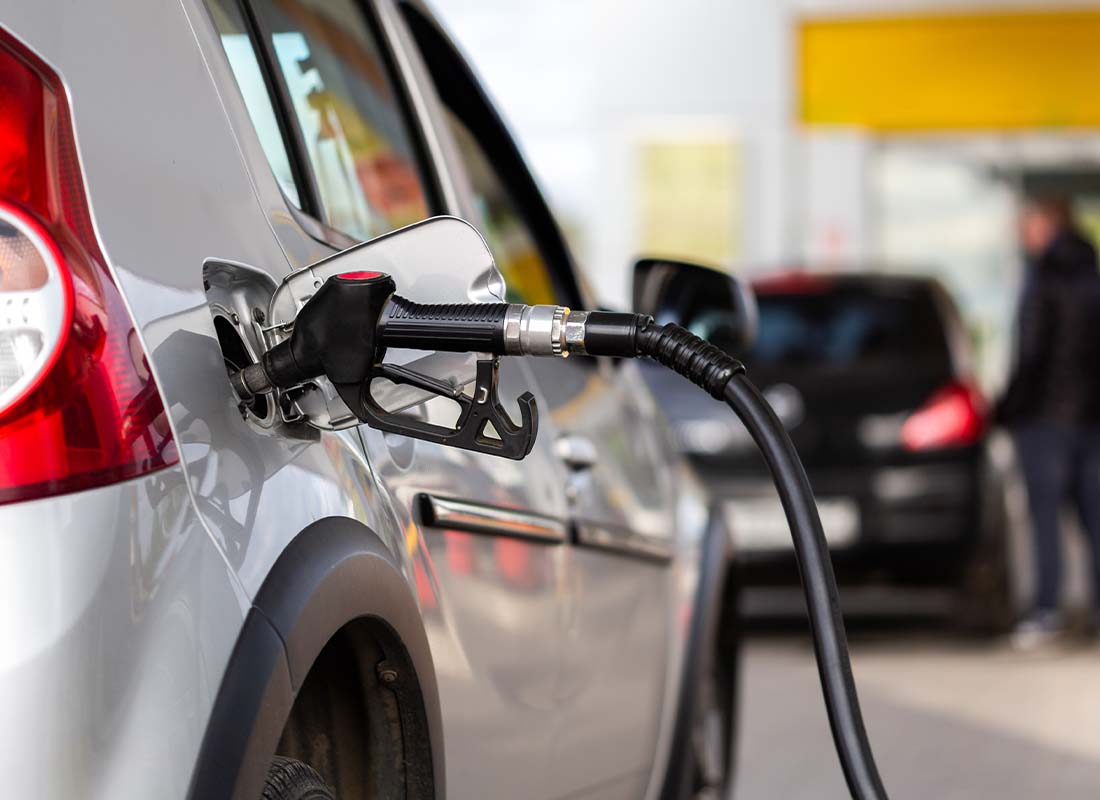
Gas station insurance is a package of commercial coverages designed for the specific hazards of fueling businesses: fuel spills and environmental liability, high cash volume and theft exposure, equipment failure, and significant foot and vehicle traffic on your property. A standard business owner's policy won't cover all of it. Gas stations carry environmental, crime, and liability exposures that most other retail businesses don't face, and your coverage needs to reflect that reality. Whether you run a standalone pump operation off I-84 near Caldwell or a full-service station with a convenience store and car wash in Meridian, Bittick shops your account across multiple carriers to build a program that fits your specific mix of services.
What this coverage includes
General and premises liability
Premises liability covers you when a customer is injured on your property or when your operations damage someone else's property. Gas stations see a lot of vehicles and foot traffic in a compressed space: fuel islands, a convenience store entrance, a car wash tunnel, maybe a service bay. Each zone creates its own exposure. If a customer slips on a fuel spill near the pump or a vehicle is clipped while navigating a tight lot, your general liability policy is what responds. Your policy limits should reflect the actual volume and variety of activity at your location, not a generic retail baseline.
Environmental and pollution liability
Environmental liability covers the cleanup costs, legal defense, and damages that follow a fuel release. At a gas station, the scenarios are not hypothetical: a driver pulls away with the nozzle still in the tank and ruptures the hose, someone backs a pickup into a fuel island and cracks the dispenser, or an aging underground storage tank develops a slow seep that goes undetected until soil contamination is confirmed. Cleanup costs alone can run into six figures before any lawsuit is filed. Environmental or pollution liability insurance is built to absorb those costs in situations where a general liability policy explicitly excludes pollutant releases.
Crime, employee theft, and cyber liability
Gas stations process more cash per square foot than most retail businesses, and a significant share of transactions run through card terminals. That combination attracts two very different threats. External crime coverage responds to robbery and burglary. Employee theft coverage (sometimes called fidelity coverage) addresses internal dishonesty, because a trusted employee with unsupervised access to a cash drawer or a fuel inventory system has real opportunity. Cyber liability coverage addresses breaches of card data and the notification and remediation costs that follow. All three deserve a spot in a complete gas station insurance program.
Business interruption and equipment breakdown
If a covered event forces you to close temporarily, business interruption coverage replaces the income your station would have generated during that period. Equipment breakdown coverage handles the repair or replacement costs when your fuel dispensers, compressors, car wash equipment, or point-of-sale systems fail. These two coverages work together: one addresses the lost revenue, the other pays to get the equipment back in service. A station without dispensers is not a gas station, and the gap between breakdown and repair can be long enough to seriously damage your financial position.
Workers' compensation and commercial umbrella
Workers' compensation is required by Idaho law for most employers and pays for medical costs and lost wages when an employee is injured on the job. At a gas station, that means burns, chemical exposure, slip-and-fall injuries on wet concrete, and injuries in a service bay if you have one. A commercial umbrella policy sits above your underlying liability limits and pays catastrophic losses that exceed those limits. If a serious accident at your location results in a large judgment, umbrella coverage is what keeps a single event from ending the business.
Pairs well with
Commercial Auto Insurance
If your employees drive for business purposes, whether picking up supplies or moving vehicles in a service bay, commercial auto covers those exposures. Personal auto policies exclude business use.
Learn more ›Garage Keepers Liability
If you accept customers' vehicles into your care for repairs or storage, garage keepers liability protects you if a customer's car is damaged or stolen while it is in your possession. A standard general liability policy does not cover property in your care, custody, and control.
Commercial Property Insurance
Your building, fuel canopy, signage, inventory, and equipment represent significant assets. Commercial property insurance covers direct physical loss from fire, storm, vandalism, and other covered perils.
Learn more ›Cyber Liability Insurance
Gas stations process high card transaction volumes, making them a viable target for data skimming and breaches. Cyber liability covers notification costs, regulatory fines, and remediation expenses after a breach.
Learn more ›Commercial Umbrella Insurance
Umbrella coverage extends your liability limits across multiple underlying policies. A serious accident at a busy fuel station can generate damages that exhaust standard policy limits quickly.
Learn more ›What this coverage protects against
Common risks and how this coverage addresses them. Tap any scenario to expand.
-
Customer injury at a fuel island on a wet morning.
The risk
A customer slips on a puddle of fuel and water near pump four during a busy morning rush. She falls hard, breaks her wrist, and later files a claim for medical bills and lost wages.
How this coverage helps
Your premises liability coverage responds to the bodily injury claim, paying her medical costs and any damages up to your policy limit. Without it, you are defending that claim out of pocket.
-
Driver pulls away with the fuel nozzle still in the tank.
The risk
A distracted customer drives off before removing the nozzle. The breakaway hose fails to separate cleanly, gasoline sprays across the apron, and the dispenser is damaged. Fuel reaches a storm drain before you can contain it.
How this coverage helps
Your equipment damage coverage addresses the dispenser repair. Your environmental liability policy covers the cleanup costs for the fuel that reached the drain, and provides defense coverage if the municipality pursues cost recovery.
-
Slow underground tank leak discovered during a routine inspection.
The risk
A state-required tank inspection flags elevated hydrocarbon readings in the surrounding soil. Testing confirms a slow seep from a decades-old fiberglass tank. Remediation estimates come in at over $80,000 before any third-party claims are filed.
How this coverage helps
Environmental or pollution liability insurance is specifically designed for this scenario. It covers remediation costs and provides legal defense if neighboring property owners or regulators bring claims related to the contamination.
-
Armed robbery at the register during a late-night shift.
The risk
Two individuals enter just before closing, demand the contents of the register at gunpoint, and leave with several thousand dollars in cash. The employee is shaken but unharmed. The camera system captured footage but the perpetrators are not identified.
How this coverage helps
Your crime coverage reimburses the stolen cash. If your employee requires counseling or medical evaluation related to the incident, workers' compensation covers those costs as a workplace injury.
-
Long-time cashier is caught skimming cash over several months.
The risk
An internal audit reveals that a trusted cashier has been systematically short-ringing transactions and pocketing the difference. Total losses over eight months come to just over $14,000.
How this coverage helps
Employee theft coverage, sometimes issued as a fidelity bond or crime policy, reimburses the business for verified internal theft losses. This coverage exists separately from your general liability and commercial property policies.
-
Car wash equipment failure during peak Saturday traffic.
The risk
Your tunnel wash conveyor seizes mid-cycle on a Saturday morning, leaving a customer's SUV stuck inside. Repairs require a specialized technician and a three-day parts wait. You lose five days of car wash revenue.
How this coverage helps
Equipment breakdown coverage pays the repair invoice. Business interruption coverage addresses the income lost while the car wash is out of service, so one mechanical failure does not become a financial crisis.
-
Card terminal skimmer breach exposes customer payment data.
The risk
A skimming device is discovered on one of your outdoor pay terminals. Forensic analysis suggests customer card data was captured over a three-week period before discovery. You are required to notify affected customers and face potential card-brand fines.
How this coverage helps
Cyber liability insurance covers the forensic investigation, customer notification costs, credit monitoring services, and regulatory defense expenses. Gas stations with outdoor unattended terminals carry elevated skimming risk, and a general liability policy will not cover these costs.