Insurance by Industry
Food Truck Insurance That Moves With Your Business
Your kitchen is on wheels, and your insurance needs to keep up with every stop, festival, and parking lot you call home.
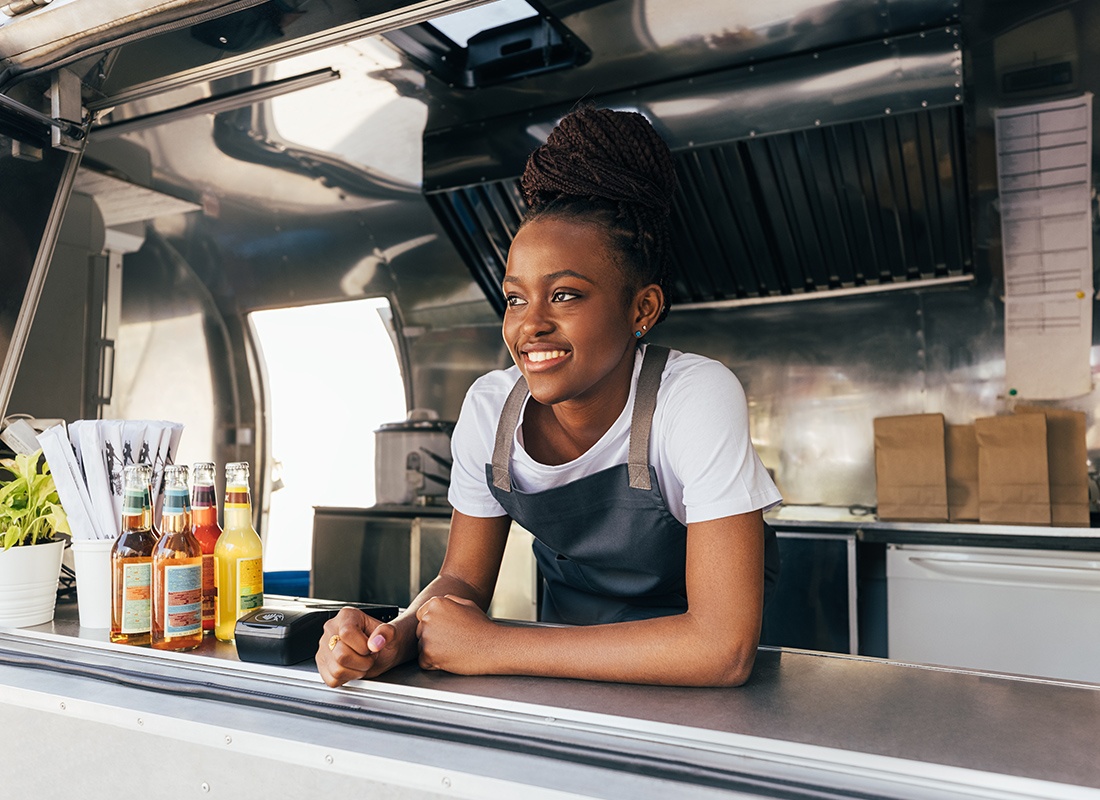
Food truck insurance is a bundle of commercial coverages designed to protect a mobile food business: the vehicle itself, the equipment and inventory inside it, your liability to customers, and the income your business generates. Unlike a brick-and-mortar restaurant, your operation travels across city lines, parks in fairgrounds, and operates in conditions a standard commercial property policy was never designed to cover. A personal auto policy almost certainly excludes commercial use, so the moment you fire up that generator for a paying customer, you need business-grade protection. Whether you're slinging tacos at a Meridian office park or pulled up to a Hill Country festival outside San Antonio, Bittick shops your coverage across multiple carriers and builds a policy that actually fits how you run.
Your food truck faces unique risks that standard business insurance won't cover.
From equipment breakdowns to food contamination, we'll help you understand what protection you need to keep your business moving.
What this coverage includes
Commercial Auto Coverage for Your Truck
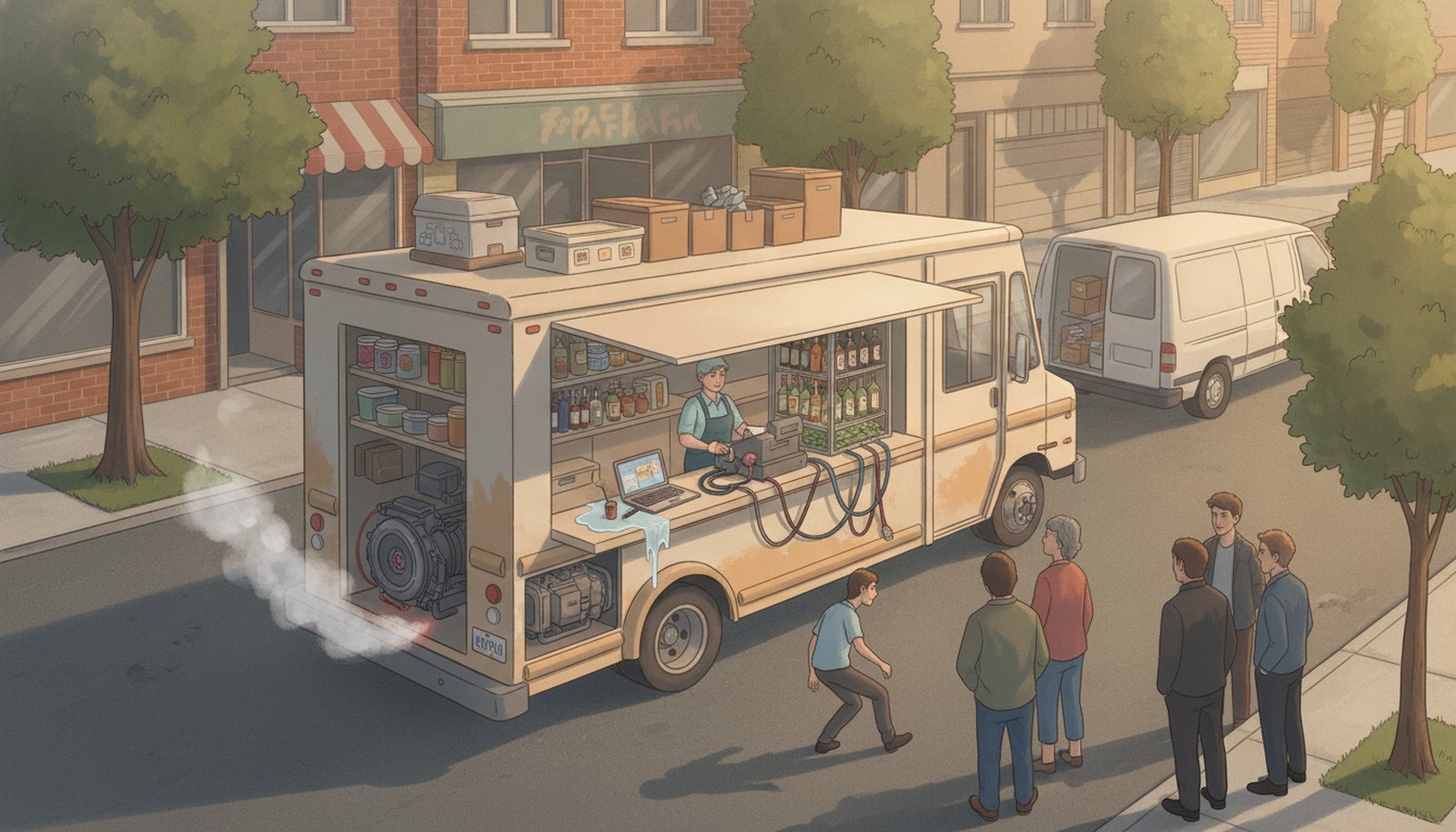
Your food truck is first and foremost a commercial vehicle, and personal auto insurance excludes it from the moment you use it to earn money. A commercial auto policy covers collision damage, liability to other drivers, and medical costs you're responsible for if your truck causes an accident. You can extend it with physical damage coverage to protect permanently affixed equipment like your fryer, refrigeration unit, or custom exhaust hood. Without this as the foundation of your program, everything else falls apart.
Inland Marine for Equipment and Inventory in Transit
Inland marine insurance sounds like it belongs on a river, but in commercial insurance it means coverage for property that moves. A standard commercial property policy protects a fixed location; inland marine picks up where that stops. If your generator, prep equipment, or inventory is damaged while you're driving between a farmers market in Nampa and a brewery pop-up in Boise, inland marine covers that loss. Common perils include collision, fire, and theft, though the specifics vary by policy, so Bittick will walk you through what's actually included.
General Liability and Product Liability
General liability covers third-party bodily injury and property damage you're responsible for as a business. A customer who burns a hand on your truck's exterior on a hot afternoon in a Caldwell parking lot, or a bystander whose property gets damaged when your setup tips over, is the kind of claim this coverage addresses. Product liability specifically covers harm allegedly caused by the food you serve. If a customer blames your truck for a foodborne illness, defending that claim alone can run into five figures before any settlement. Bittick can help you determine whether a general liability policy offers sufficient product coverage or whether a separate product liability limit makes sense for your volume.
Food Spoilage, Contamination, and Business Income
A power failure, a broken refrigeration compressor, or a contamination event can take your truck off the road for days or weeks. Spoilage coverage helps replace the food inventory you have to discard. Food contamination shutdown coverage can protect the income you lose if a health department closure forces you to stop serving. Business interruption insurance extends that further: if a covered loss keeps your truck out of service entirely, it can help replace the revenue you would have earned. These three work together and are worth reviewing as a set rather than individual add-ons.
Employment and Liability Coverages for Growing Operations
If you have employees, workers' compensation is required by Idaho law and covers medical costs and lost wages when a worker is injured on the job. Employment practices liability insurance (EPLI) protects you if a current or former employee alleges wrongful termination, discrimination, or harassment. If you serve beer, wine, or cocktails, liquor liability coverage is a critical add-on: you can be held responsible for damages caused by a guest you over-served. Cyber liability rounds out the picture for trucks that take digital payments or store customer data, covering costs from data breaches, ransomware, and accidental exposure of payment information.
Pairs well with
Workers' Compensation Insurance
Idaho requires workers' comp the moment you have employees. It covers medical bills and a portion of lost wages when someone on your crew gets hurt, so a kitchen burn or a slip doesn't become a personal lawsuit.
Learn more ›Commercial Umbrella Insurance
A serious accident involving your truck and multiple injured parties can exceed the limits on your underlying auto or general liability policy. A commercial umbrella picks up where those limits end and is relatively inexpensive for the protection it adds.
Learn more ›Liquor Liability Insurance
If you serve any alcohol, standard general liability policies exclude alcohol-related claims. Liquor liability covers legal defense, settlements, and damages tied to incidents involving a guest you served.
Cyber Liability Insurance
Square, Toast, and other point-of-sale systems make you a target for payment data theft. Cyber liability covers breach notification costs, regulatory fines, and recovery expenses after an attack.
Learn more ›Employment Practices Liability Insurance (EPLI)
Hiring seasonal staff for festival season or expanding a small crew comes with employment exposure. EPLI covers legal costs if an employee files a claim of discrimination, wrongful termination, or harassment.