Insurance by Industry
Insurance built for fire protection contractors
From system installation to post-job liability, Bittick helps fire protection contractors across the Treasure Valley and beyond place coverage that fits the work.
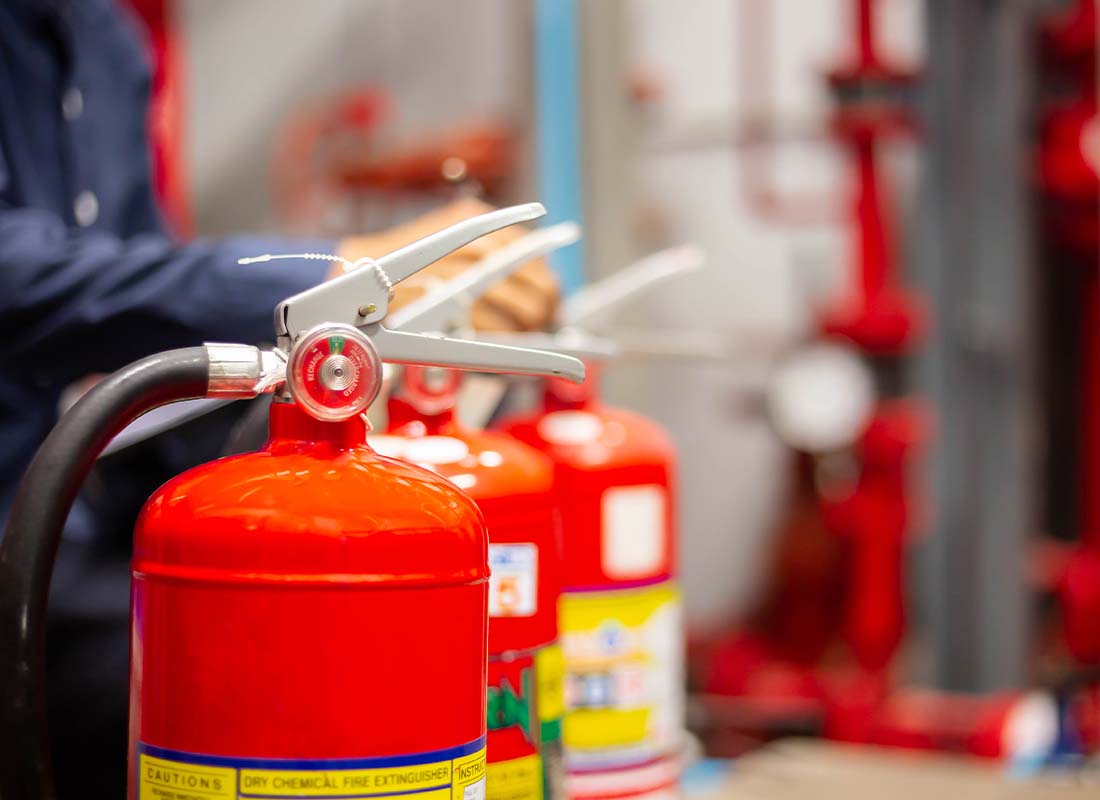
Fire protection contractor insurance is a combination of commercial coverages designed to protect businesses that design, fabricate, install, inspect, or service fire suppression and alarm systems. The stakes in this trade are high: a failure in your work can put lives and property at risk, which means your exposure to lawsuits and claims is equally significant. Whether you run a two-person sprinkler crew out of Nampa or manage a multi-truck fire suppression outfit serving commercial developers along the Highway 55 growth corridor, the right policy structure matters. Bittick is an independent agency, so we shop across multiple carriers to build coverage around your actual operation, not a generic contractor template.
What this coverage includes
Professional liability for errors in your work
Fire protection contractors are held to a high standard. If a sprinkler system fails to activate, activates incorrectly, or was designed with a flaw, the resulting property damage or injury can generate a serious lawsuit. Professional liability insurance (sometimes called errors and omissions coverage) pays your legal defense costs and any covered judgments if a client claims your work, advice, or design caused them financial harm. This is distinct from general liability and matters most for contractors who also do design, engineering consultation, or system specification.
General liability for third-party injuries and property damage
General liability insurance covers bodily injury and property damage that happen in the course of your work and are not caused by a professional error. A client's employee trips over your pipe staging on a Meridian jobsite. Your technician cracks a finished ceiling panel while threading pipe. These are the kinds of incidents general liability is built for. It covers legal defense, settlements, and medical payments up to your policy limits. For losses that exceed those limits, a commercial umbrella policy sits above the underlying coverage and extends your protection.
Completed operations coverage after you leave the job
Your exposure does not end when you pull off the jobsite. Completed operations coverage addresses claims that arise after the work is finished. If a suppression system you installed malfunctions a year later and causes water damage or fails during a fire event, you could face liability even though you wrapped up the job months ago. This coverage is usually included in a general liability policy, but the inclusion is not automatic on every form. It is worth confirming your policy explicitly covers completed work before you assume it does.
Tools, equipment, and inland marine coverage
Pipe threading machines, test gauges, inspection cameras, and power tools represent a significant capital investment. Tools and equipment coverage (a form of inland marine, meaning coverage that travels with your gear rather than staying at a fixed address) pays to repair or replace these items when they are stolen from a job truck, damaged in transit, or lost on a busy commercial site. Without your equipment, you cannot meet your project schedule or your service commitments.
Commercial auto for your service and installation fleet
Fire protection contractors live in their trucks. Commercial auto insurance covers the vehicles your business owns for liability, collision, and comprehensive losses. If your crew uses personal vehicles for work runs, or if you rent a vehicle for a large job, hired and non-owned auto coverage fills the gap that personal auto policies typically exclude. One at-fault accident involving a company truck on I-84 without proper commercial coverage can expose your business to costs that a personal policy will not touch.
Pairs well with
Workers' Compensation Insurance
Fire protection work involves elevated surfaces, pressurized systems, and confined spaces. Workers' comp covers your employees' medical costs and lost wages after a job-related injury, and Idaho law requires it once you have one or more employees.
Learn more ›Commercial Umbrella Insurance
A catastrophic loss on a large commercial project can exhaust general liability limits quickly. A commercial umbrella policy extends those limits, providing an additional layer of protection above your underlying policies.
Learn more ›Commercial Property Insurance
If you operate a shop, warehouse, or office where you store equipment, parts, or vehicles, commercial property insurance covers the building and its contents against fire, theft, and other covered perils.
Learn more ›Employment Practices Liability Insurance
A claim of wrongful termination, harassment, or discrimination can be as financially damaging as a large jobsite loss. EPLI covers your legal defense costs and damages if a current or former employee brings that kind of claim against your business.
Learn more ›Cyber Liability Insurance
If your business stores client contact information, service histories, or billing records digitally, a data breach or ransomware attack can trigger notification costs and legal exposure. Cyber liability coverage addresses those costs.
Learn more ›Environmental Liability Insurance
Some fire suppression systems involve chemical agents that carry their own environmental exposure. Environmental impairment liability covers cleanup costs and third-party claims if a chemical release or contamination event is traced back to your work.
What this coverage protects against
Common risks and how this coverage addresses them. Tap any scenario to expand.
-
A sprinkler head you installed activates unexpectedly and floods a restaurant.
The risk
Six months after finishing a commercial kitchen suppression retrofit in Eagle, a faulty joint lets a sprinkler head activate overnight. The restaurant owner loses inventory, equipment, and two weeks of revenue. They name your company in the claim.
How this coverage helps
Completed operations coverage addresses exactly this situation. Even though you finished the job months earlier, the policy covers the resulting property damage and your legal defense costs up to your policy limits.
-
A pipe threading machine walks off a Caldwell jobsite.
The risk
Your crew is working a multi-phase commercial build in Caldwell. Overnight, someone breaks into the site and takes your pipe threading machine and two sets of test gauges. Replacing that equipment runs close to $8,000 and you have three jobs scheduled next week.
How this coverage helps
Tools and equipment coverage pays the replacement cost so you can get back on the job without eating that loss out of operating cash. The coverage follows your gear to every jobsite, not just back at your shop.
-
A general contractor's employee trips over your staging on a Meridian commercial build.
The risk
You are running pipe through a new multi-tenant building off Eagle Road in Meridian. A framing subcontractor's worker trips over a section of pipe you staged near a doorway, falls, and breaks his wrist. The general contractor's insurance carrier comes looking for contribution from every sub on site.
How this coverage helps
General liability insurance covers the bodily injury claim, your legal defense, and any settlement. Most general contractors in the Treasure Valley now require a certificate of insurance before you set foot on their sites, so having this coverage in place is both protection and a business requirement.
-
A design error in your system spec leads to a code rejection and a client lawsuit.
The risk
You designed a suppression layout for a cold-storage facility, and the local fire marshal rejects it at rough inspection because the pipe sizing does not meet code for that occupancy type. The owner faces permit delays and demurrage costs and demands you cover them.
How this coverage helps
Professional liability insurance covers claims that your design, specification, or advice caused a financial loss. The policy pays your defense attorney and any covered judgment, separate from what general liability handles.
-
Your service van causes an accident during a routine inspection run.
The risk
One of your technicians is driving a company van to a quarterly inspection appointment and rear-ends a pickup at a red light on I-84 near Nampa. The other driver has back injuries and a damaged truck. Your company is named in the claim.
How this coverage helps
Commercial auto insurance covers the liability for the other driver's injuries and vehicle damage, as well as any repairs your van needs. A personal auto policy would likely deny the claim because the vehicle was being used for commercial purposes at the time.
-
A former employee files a wrongful termination claim.
The risk
You let a technician go after repeated safety violations on jobsites. He files a complaint alleging the real reason was retaliation for raising a concern about a system inspection. Even a claim without merit requires legal defense, which can cost tens of thousands of dollars.
How this coverage helps
Employment practices liability insurance covers your attorney fees and any settlement or judgment related to the claim. Without it, that defense cost comes directly out of your business.
-
A halon system discharge creates a chemical cleanup situation at a client facility.
The risk
During a service call on a legacy halon suppression system at a warehouse in the Snake River Valley, an accidental discharge releases suppression agent into a drain. The facility's environmental consultant flags potential contamination of the surrounding soil.
How this coverage helps
Environmental liability coverage addresses the cleanup costs and any third-party claims tied to the release. Standard general liability policies typically exclude pollution and chemical release events, so a separate environmental policy fills that gap.
-
A ransomware attack locks your scheduling and billing system.
The risk
Your office manager opens a phishing email and ransomware encrypts your client database, service records, and billing software. You cannot access inspection histories or invoice clients. The attackers demand a ransom to restore access.
How this coverage helps
Cyber liability insurance covers recovery costs, ransom negotiation assistance if applicable, and notification expenses if client data was exposed. It also helps pay for the forensic investigation to determine what was accessed.