
Insurance by Industry
Farm Insurance That Covers the Whole Operation
When your farm is your home and your business, one well-structured policy can protect both without the guesswork.
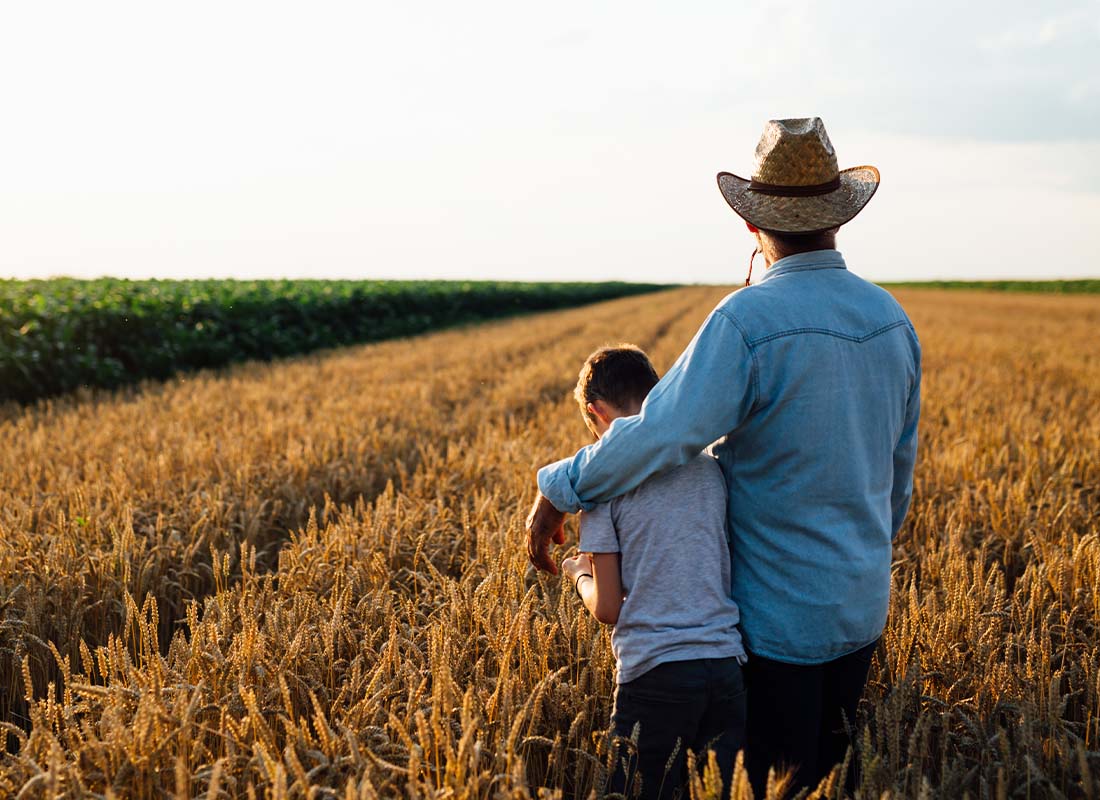
Farm insurance is a specialized policy that combines property, liability, equipment, and agricultural coverage into a single package built for working farms. A standard homeowner policy won't cover a grain bin. A standard commercial property policy won't account for livestock mortality or peak-season grain storage. Farm insurance fills those gaps because it's designed from the start around how farms actually operate.
At Bittick Insurance Services, we're independent agents, which means we shop your coverage across multiple carriers to find the right fit for your specific operation, whether you're running a small hobby farm outside Star, Idaho, a commercial hay operation in the Snake River Valley, or an agricultural business in the Texas Hill Country north of San Antonio. We're licensed in CA, CO, ID, NV, OR, TX, VA, and WA.
Your farm faces unique risks that standard business insurance won't cover.
From equipment breakdown to crop loss and liability exposures, we help you build a farm insurance package that protects your livelihood and peace of mind.
What this coverage includes
Farm property and structures
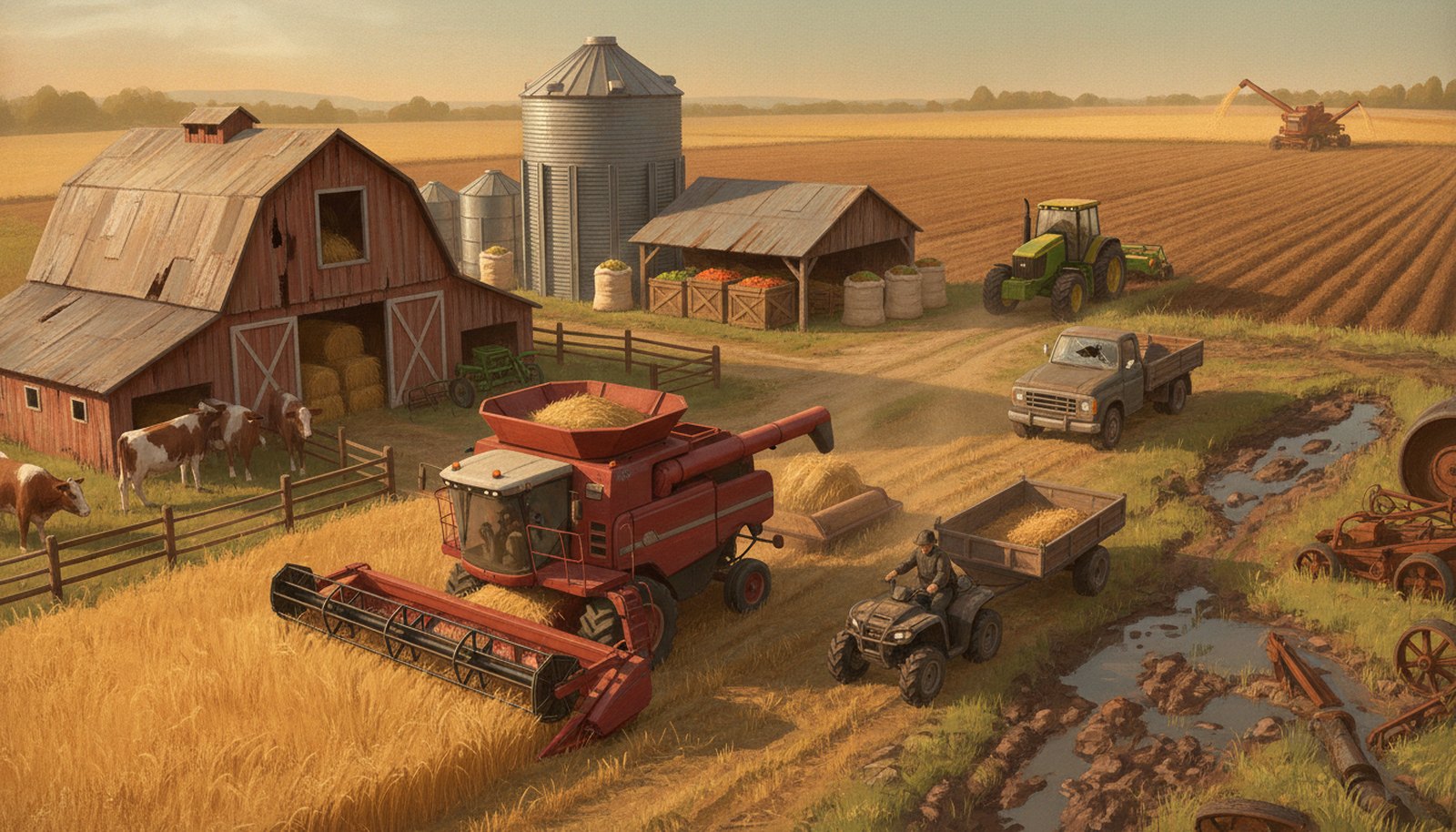
This is the foundation. A farm policy covers your dwelling, barns, outbuildings, grain bins, irrigation equipment, and other farm structures against losses from fire, windstorm, theft, and other covered perils. The key detail to nail down is the valuation method: replacement cost versus actual cash value makes a significant difference when a barn burns down. Make sure coverage limits reflect what it actually costs to rebuild, not what the structure was worth on paper.
Equipment and machinery
Tractors, combines, harvesters, augers, and other farm machinery represent a major capital investment, and breakdowns happen at the worst possible moments. Equipment breakdown coverage pays for mechanical and electrical failures that a standard property policy excludes. Foreign object ingestion coverage is a specific add-on worth asking about: when a combine ingests a rock and throws a rod mid-harvest, that repair bill can run into tens of thousands of dollars. Glass coverage for cab glass on tractors and combines is a smaller but frequently overlooked line item that matters when a cracked windshield sidelines equipment for days.
Livestock, crops, and stored grain
Livestock mortality coverage pays when animals die from covered causes, and care, custody, and control coverage protects you when you're boarding or grazing animals owned by someone else. Crop coverage (typically through multi-peril crop insurance) addresses weather-related losses to field crops. Peak-season grain coverage is a smart option for operations that fill bins at harvest but sell within a few months: it lets you carry higher limits during storage season and lower limits the rest of the year, so you're not paying for coverage on grain that isn't there.
Farm liability
Liability on a farm runs in several directions. Premises liability covers injuries to visitors, workers, or customers on your property. Products liability applies if something your farm produces, beef, produce, dairy, causes illness or injury down the supply chain. Custom farming liability steps in if you provide services like tillage or harvesting for neighboring operations and something goes wrong during that work. Each of these exposures is distinct, and each can be addressed in a farm policy, sometimes as a base coverage, sometimes as an endorsement.
Environmental and pollution coverage
Pesticide runoff, fertilizer spills, leaking underground storage tanks, and improper chemical application can all trigger pollution liability claims. Standard farm policies typically exclude pollution-related bodily injury and property damage. A farm pollution or environmental impairment endorsement fills that gap. Given how closely Idaho's irrigation-intensive agriculture interacts with the Snake River drainage system, and how strictly Idaho DEQ enforces discharge standards, this coverage deserves a serious look before you decide it's optional.
Pairs well with
Commercial Umbrella Insurance
A farm umbrella policy sits above your base farm liability limits and pays when a serious claim, a major injury, a products liability lawsuit, or a large property damage event, exhausts your underlying coverage. Farm operations can generate large losses, and the gap between a standard policy limit and a real-world verdict is where an umbrella earns its premium.
Learn more ›Commercial Auto Insurance
Trucks, trailers, and other vehicles used primarily for farm business typically need commercial auto coverage rather than a personal auto policy. If a vehicle hauls grain to the elevator or transports equipment between properties, it's working, and a personal policy may not respond to a claim in that context.
Learn more ›Workers' Compensation Insurance
If you employ farmworkers, seasonal laborers, or full-time staff, Idaho law requires workers' compensation coverage. A farm injury, a fall from equipment, a crush injury from machinery, generates medical costs and lost-wage liability that your farm property policy does not cover.
Learn more ›Inland Marine Insurance
Inland marine covers equipment and property while it's moving or stored away from your main farm location. If you transport a piece of machinery to a different field or a neighboring property for custom work, a standard farm policy may not cover a loss in transit. Inland marine fills that gap.
Learn more ›General Liability Insurance
Some farm operations with retail or agritourism components, a farm stand, a U-pick operation, educational tours, may need a standalone general liability policy or endorsement beyond what a base farm policy provides for visitor interactions and premises-related claims.
Learn more ›