
Insurance by Industry
Brewery Insurance Built for Craft Producers
From the grain room to the taproom, Bittick shops and places coverage that keeps your brewery running when things go wrong.
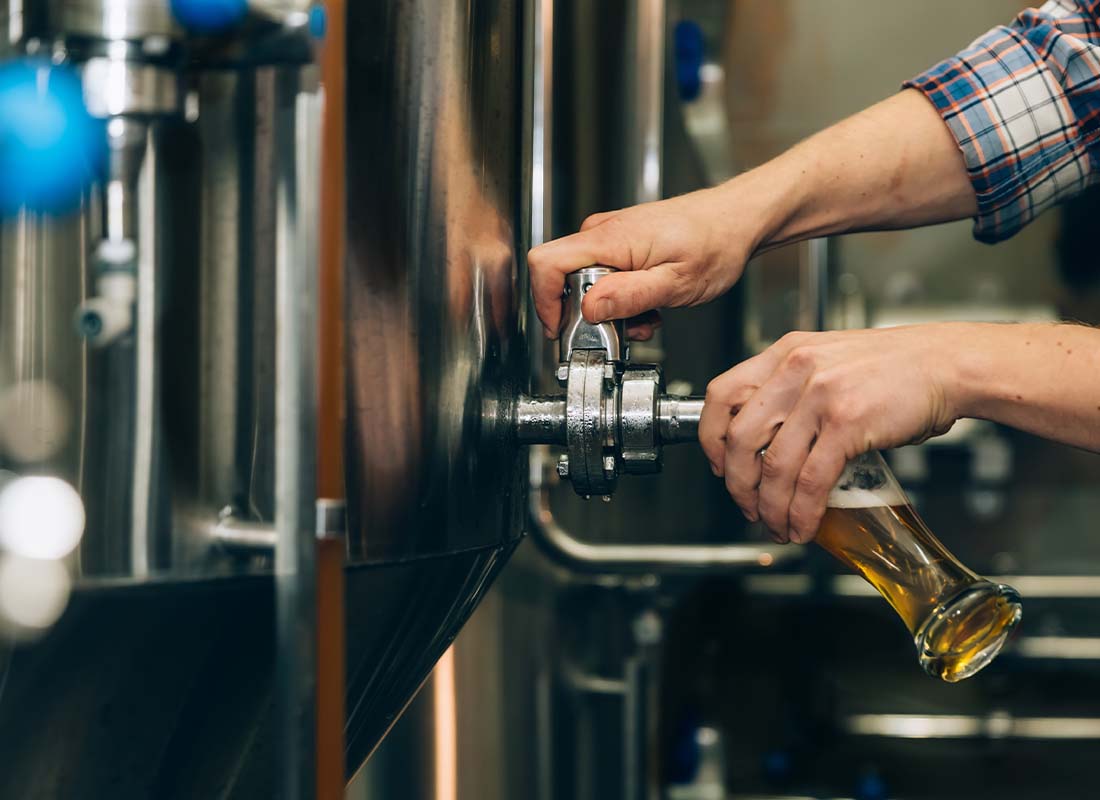
Brewery insurance is a package of commercial coverages designed specifically for businesses that brew, sell, and serve alcohol — combining property protection, liquor liability, equipment breakdown, and other exposures into a policy structure that fits how a brewery actually operates. A standard commercial policy written for a retail shop or office building will leave a lot of gaps for a production facility that runs hot-side equipment, handles perishable product, and serves the public directly.
Bittick Insurance is an independent agency based in Eagle, Idaho. We work with multiple carriers to find coverage that matches the actual size and scope of your operation — whether you run a small taproom off Eagle Road, a production brewery shipping kegs across the Treasure Valley, or a brewpub that doubles as an event venue. We also serve brewery clients through our San Antonio, Texas office and hold licenses in CA, CO, ID, NV, OR, TX, VA, and WA.
Running a brewery means managing risks most businesses never face.
From contaminated batches to employee claims and equipment breakdowns, we help you build a coverage foundation that protects your operation and your brand.
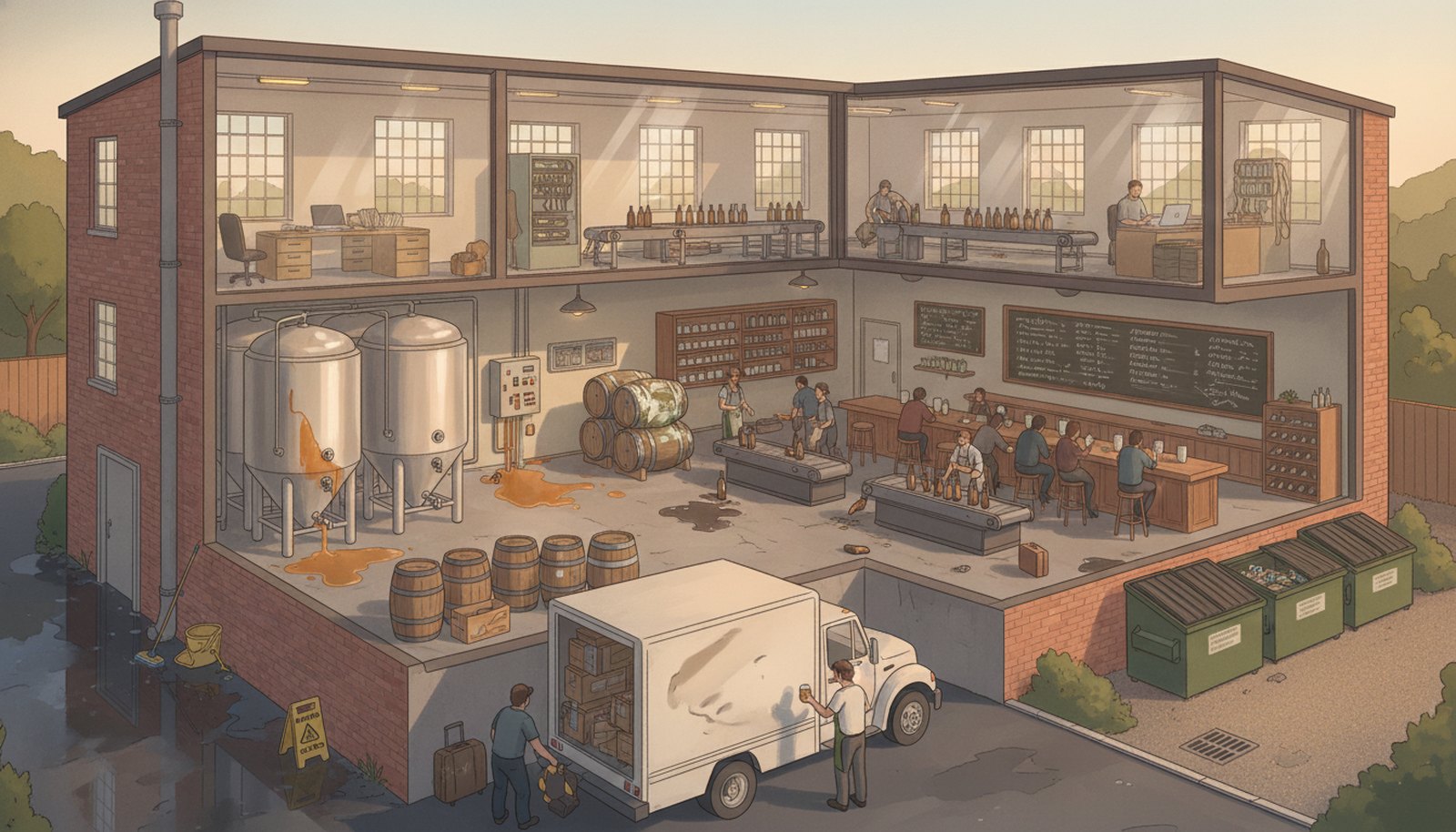
What this coverage includes
Liquor Liability
Liquor liability coverage responds when a patron who consumed alcohol at your taproom causes harm to themselves or someone else and your business is named in the resulting claim. Idaho's dram shop statutes mean that liability can attach to the server, not just the person who drank. Defense costs alone can be significant even when a claim lacks merit. This coverage pays for legal defense and any resulting damages. It is separate from your general liability policy and is non-negotiable for any brewery that serves the public directly.
Equipment Breakdown
Your brew kettles, fermentation tanks, glycol chiller, canning line, and boiler represent a substantial capital investment — and mechanical failure is not covered under a standard commercial property policy. Equipment breakdown coverage (sometimes called systems breakdown coverage) picks up where property coverage stops: it pays for repair or replacement of equipment that fails due to mechanical or electrical breakdown, and it can also cover the income you lose while the equipment is out of service. For a production brewery, a failed chiller during a warm Boise summer can ruin an entire batch in hours.
Spoilage, Contamination, and Product Recall
A contaminated batch that stays in-house is expensive. One that reaches distributor shelves or retail accounts is more expensive — and damaging to your brand. Spoilage coverage reimburses the cost of raw ingredients and finished product lost to a covered contamination event. Product recall coverage extends that protection to the logistics of pulling product from the market, notifying accounts, and managing the public relations fallout. These are separate coverage forms; both are worth discussing if you distribute beyond your own taproom.
Commercial Property and Business Income
Commercial property coverage protects your building, brewing equipment, raw materials, and finished inventory against fire, theft, wind, and other covered perils. The piece most brewery owners underestimate is business income coverage, which replaces lost revenue during a shutdown caused by a covered loss. If a fire takes your brewhouse offline for four months, the bank still expects loan payments and your staff still expects paychecks. Selecting accurate replacement-cost values for specialized brewing equipment is critical — replacement costs for fermentation tanks and canning lines have risen sharply in recent years.
General Liability, Workers' Compensation, and Employment Practices
General liability covers bodily injury and property damage claims from third parties on your premises — a visitor who trips on a tour, a vendor who gets hurt during a delivery. Workers' compensation is required by Idaho law for most employers and covers employee medical bills and lost wages after a workplace injury; brewing and packaging work carry real physical risks. Employment practices liability (EPLI) is a standalone policy that covers claims from current, former, or prospective employees alleging wrongful termination, discrimination, or harassment. Small breweries are not exempt from EPLI exposure — claims arise at every staff size.
Pairs well with
Commercial Auto Insurance
If your brewery owns vehicles for deliveries, event runs, or supply pickups, those vehicles need a commercial auto policy. Personal auto policies exclude business use, and a single at-fault accident in a brewery van can generate a claim that exceeds personal policy limits.
Learn more ›Cyber Liability Insurance
Taprooms that process credit cards and loyalty programs collect personal data that becomes a liability if compromised. Cyber liability covers breach notification costs, legal counsel, regulatory defense, and credit monitoring for affected customers — expenses that add up fast even in a small breach.
Learn more ›Commercial Umbrella Insurance
A liquor liability or premises claim that exceeds your underlying policy limit can expose your business assets directly. A commercial umbrella adds a higher layer of liability protection above your general liability, liquor liability, and commercial auto limits for a relatively low additional premium.
Learn more ›Crime Insurance
Employee dishonesty coverage inside a commercial property policy is typically narrow. A standalone crime policy covers theft of money, inventory, and equipment by employees, and it can extend to forgery and fraudulent fund transfers — exposures that grow as payroll and cash-handling volume increases.
Environmental Liability Insurance
Breweries generate significant wastewater and solid waste, and most commercial liability policies contain a pollution exclusion that applies broadly. A standalone environmental policy covers regulatory fines, cleanup costs, and third-party claims arising from wastewater discharge or other pollution events.