
Business Insurance
Environmental Insurance for Pollution Risks Your Business Actually Faces
Standard general liability won't cover most environmental claims, and the cleanup costs alone can threaten a business's survival.
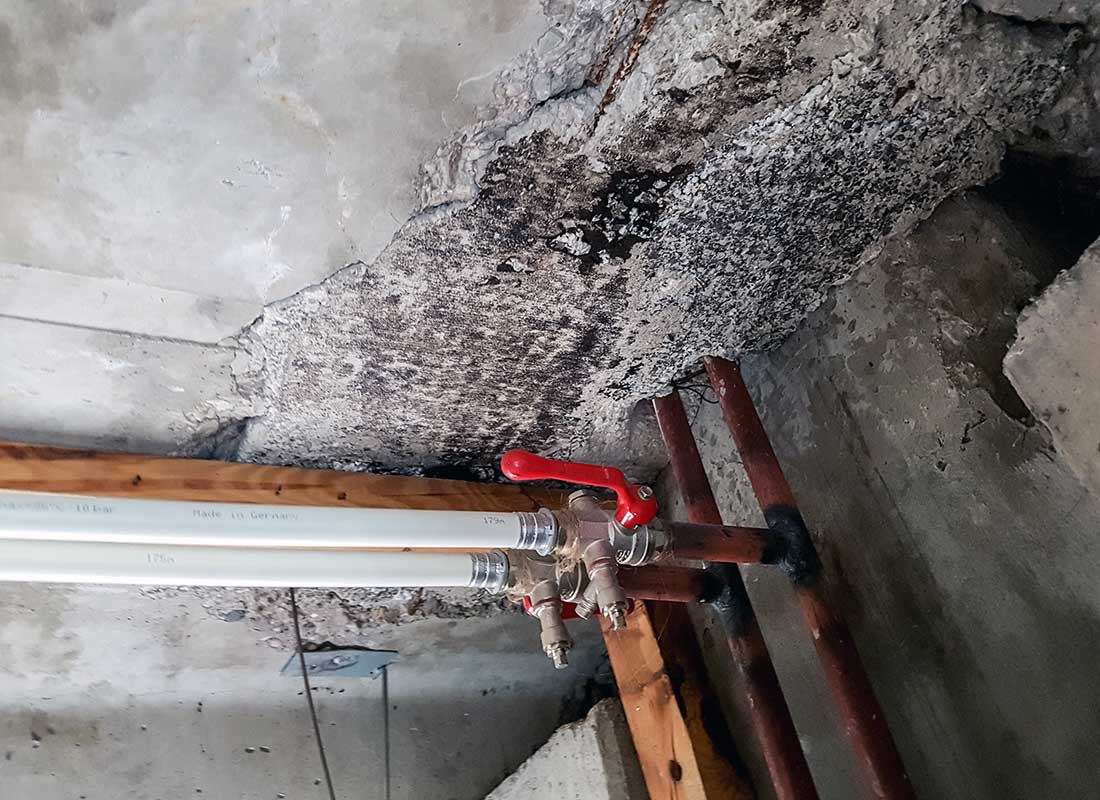
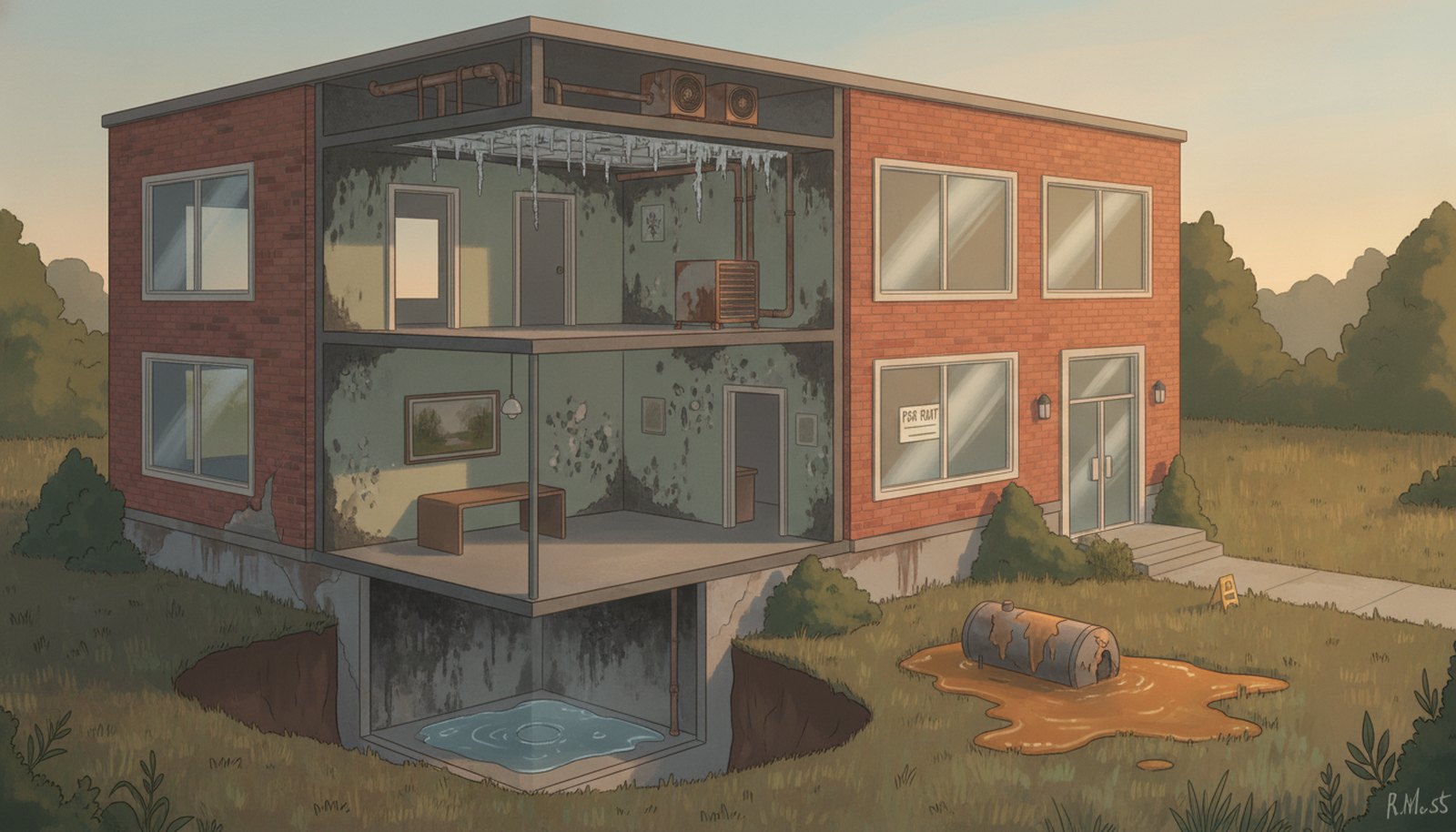
Environmental insurance covers the costs of pollution cleanup, regulatory defense, and third-party injury claims that arise when a business accidentally contaminates soil, water, air, or a building. General liability policies almost universally exclude pollution-related losses, which means a leaking underground storage tank, a mold outbreak in a commercial building, or an asbestos disturbance during renovation can leave a business exposed to six- or seven-figure bills with no carrier to call.
In the Treasure Valley, where construction is expanding rapidly across Meridian and Star and where older commercial properties along the Boise and Snake River corridors still carry legacy materials from decades-old builds, environmental exposure is a real operational risk, not a hypothetical. Bittick shops environmental coverage across multiple carriers to find the policy structure that fits your specific operations, whether you own commercial property, run a contracting business, or manage a site with regulated substances on-site.
Environmental hazards can turn your property into a liability and your business into a loss.
From hidden mold to historic contamination, we help you understand the risks and find the right environmental coverage.
What this coverage includes
Pollution cleanup costs
When contamination occurs, someone has to pay for the remediation. Environmental policies cover the cost of cleaning up pollutants, including soil excavation, water treatment, air quality mitigation, and hazardous waste disposal. Without this coverage, a business owner or property owner bears those costs directly, often on a timeline set by state or federal regulators who do not negotiate around cash flow.
Third-party bodily injury and property damage
If a spill or release crosses your property line and affects a neighboring property, a waterway, or a person, your liability can extend well beyond the original cleanup. Environmental policies cover bodily injury claims and property damage claims from third parties, including legal defense costs whether or not the claim ultimately results in a damages award. This is the coverage that matters when a petroleum leak travels through the soil into an adjacent lot or a drainage ditch.
Premises pollution for building owners
Premises pollution coverage addresses the specific exposures inside a building: mold, lead-based paint, asbestos, and other legacy hazardous materials. It covers remediation of the hazard itself, legal defense against injury claims from tenants or occupants, and medical monitoring costs. Older commercial buildings throughout the Treasure Valley, particularly those built before 1980, often contain materials that were standard at the time and are now regulated.
Business interruption tied to contamination
If a contamination event forces a building out of service, rental income stops but expenses do not. A premises pollution policy can include business interruption coverage for lost net profits, payroll continuation, tenant relocation costs, and mitigation expenses during the period a property is uninhabitable. For commercial landlords, this is often the coverage that makes the difference between a survivable event and a permanent financial setback.
Historic and long-tail contamination
Some of the costliest environmental claims come from contamination that happened years or decades ago and surfaces now. Environmental policies can be structured to cover historic contamination, meaning liability that traces back to past operations on a site you currently own or acquired. When you buy commercial real estate in Idaho or anywhere else, understanding what may be buried in the ground or locked in the walls is part of the due diligence, and environmental coverage is part of the financial protection.
Pairs well with
Commercial General Liability
CGL is the foundation of most business liability programs, but it excludes most pollution claims by design. Environmental insurance fills that gap directly. The two policies work together, not as substitutes for each other.
Learn more ›Commercial Property Insurance
Property policies cover fire, wind, and physical damage to your building and contents, but they do not cover contamination remediation. If mold or asbestos renders a structure uninhabitable, you need environmental coverage alongside your property policy.
Learn more ›Business Owner's Policy (BOP)
A BOP bundles general liability and property coverage for small to mid-size businesses, but the pollution exclusion in a BOP is typically broad. Environmental coverage adds the layer a BOP intentionally leaves out.
Learn more ›Contractors Pollution Liability
For construction and trade contractors who work on other people's properties, a dedicated contractors pollution liability policy covers pollution claims arising from your work operations, not just your owned premises. It is a distinct product from a premises pollution policy.
Learn more ›Commercial Umbrella Insurance
Umbrella policies extend limits above your underlying liability policies. Coordinating your umbrella with your environmental policy structure ensures you do not have a gap in coverage when a large pollution claim exceeds your primary policy limits.
Learn more ›