Business Insurance
Smarter Fleet Coverage Through Real-Time Driving Data
Telematics insurance ties your commercial auto premiums to how your vehicles actually get driven, not just how many you own.
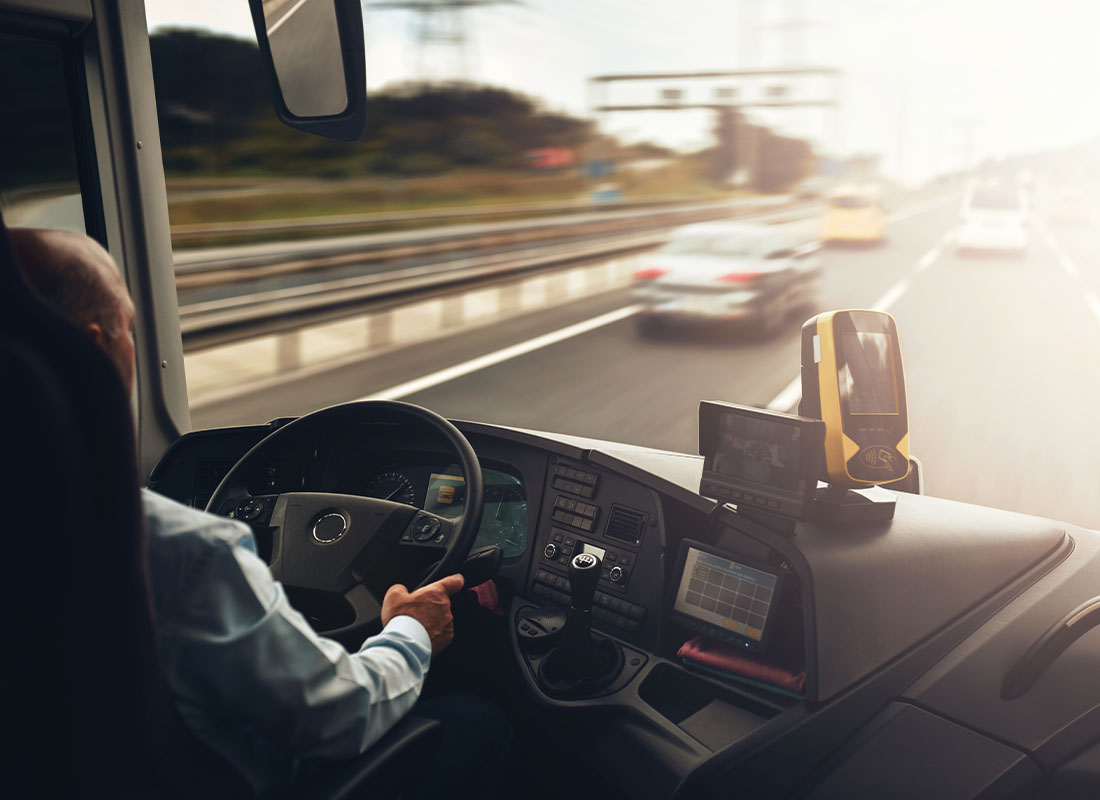
Business auto telematics insurance is a form of commercial auto coverage that uses onboard devices, mobile apps, or factory-installed sensors to monitor real-world driving behavior and adjust your risk profile accordingly. Instead of pricing your fleet on broad averages, telematics gives carriers actual data: miles driven, braking patterns, speed, time of day, and engine diagnostics.
For fleet operators in the Treasure Valley, that data matters. A concrete contractor running three pickups between Eagle and Nampa daily faces very different exposure than a logistics company moving refrigerated loads down I-84 at night. Telematics lets your policy reflect that difference. Bittick shops this coverage across multiple carriers and places it alongside your broader commercial auto program.
What this coverage includes
Usage-based premium calculation
Traditional commercial auto premiums are built on historical averages for your vehicle class, driver age bracket, and ZIP code. Telematics replaces guesswork with measured behavior. A driver who logs mostly daytime miles on low-traffic roads, brakes smoothly, and avoids hard acceleration builds a data record that supports a lower risk rating. Over time, a fleet with documented safe-driving habits can earn meaningfully lower premiums than one priced on industry averages alone.
Driver behavior monitoring
The system logs specific behaviors tied to crash risk: hard braking events, rapid acceleration, sharp cornering, and speed relative to posted limits. It can also flag patterns associated with distracted driving. Fleet managers get a dashboard view of which drivers are operating well and which ones need coaching. That visibility lets you address habits before they become claims, rather than after.
Vehicle diagnostics and maintenance tracking
Many telematics platforms pull engine data alongside driving metrics. You can track fuel consumption, mileage, and diagnostic fault codes across your entire fleet from one screen. For a Treasure Valley trades company running work trucks hard through summer heat and winter freeze-thaw cycles, catching a maintenance issue early is a lot cheaper than a breakdown on a jobsite in Caldwell or a repair bill after a warning light gets ignored for two weeks.
Compliance and hours-of-service recordkeeping
If your operation is subject to federal or state hours-of-service rules, electronic logging requirements, or route documentation, telematics data can simplify recordkeeping significantly. The platform generates timestamped records automatically, reducing the manual log burden on drivers and giving you an auditable trail if a compliance question ever comes up.
Device and tracking flexibility
Not every vehicle in your fleet will come from the factory with a telematics unit installed. Coverage programs work with OBD-II plug-in devices, Bluetooth beacons, and smartphone-based apps so you can instrument older trucks and vans without replacing them. The right device depends on what data points matter most to your insurer and your own operations team.
Pairs well with
Commercial Auto Insurance
Telematics is a monitoring and pricing layer that sits on top of a commercial auto policy. You still need the underlying liability, collision, and comprehensive coverage for your vehicles; telematics just informs how that policy is rated.
Learn more ›Fleet Insurance
If you operate five or more vehicles, a fleet policy consolidates coverage under one program. Telematics data integrates directly with fleet management, giving you both the coverage and the operational visibility in one place.
Learn more ›General Liability Insurance
A commercial auto policy covers vehicle-related incidents on the road. General liability covers third-party bodily injury or property damage that happens away from a vehicle, such as at a customer site or your own premises.
Learn more ›Workers Compensation Insurance
If a driver is injured in an accident while working, workers comp covers medical expenses and lost wages. It pairs with commercial auto because auto pays the other party's damages; workers comp takes care of your own employee.
Learn more ›Inland Marine (Tools and Equipment)
Inland marine covers tools, materials, and equipment in transit or temporarily off your premises. For trades fleets hauling gear between Treasure Valley jobsites, it fills the gap that commercial auto leaves once cargo leaves the vehicle.
Learn more ›What this coverage protects against
Common risks and how this coverage addresses them. Tap any scenario to expand.
-
A new driver's hard-braking habit shows up in the data before a claim does.
The risk
You hire a delivery driver and put him on a route through Meridian's midday traffic. Two weeks in, the telematics dashboard flags a pattern of late, hard stops and two near-miss acceleration events. Nothing has happened yet, but the data says something will.
How this coverage helps
The telematics log gives your fleet manager specific timestamps and locations to use in a coaching conversation. You address the habit with documentation in hand. If the driver improves, the data reflects that too, which keeps your risk profile clean at renewal.
-
An engine fault on a work truck gets caught before the truck fails on a job.
The risk
One of your service trucks running between Eagle and Caldwell throws a fault code on a Tuesday morning. The driver doesn't mention it. Without telematics, that code sits unread until the truck breaks down on the side of I-84 with a full crew and a trailer.
How this coverage helps
A telematics platform that reads engine diagnostics flags the fault code the same day and sends an alert to your operations manager. You pull the truck for service before the breakdown happens, avoiding a tow bill, lost crew time, and a potential roadside liability situation.
-
Your premium reflects what your drivers actually do, not what drivers in your ZIP code do on average.
The risk
Your fleet has a clean three-year claims record, but your commercial auto renewal still comes back higher because loss trends in your vehicle class are rising nationally. You have no way to show the carrier your drivers are measurably safer than the average.
How this coverage helps
With a telematics program in place, you can present documented behavioral data at renewal: average speed compliance, braking scores, nighttime driving exposure. Carriers that price on telematics data can rate your fleet on its actual performance, not industry benchmarks.
-
A liability dispute turns on where your driver actually was at the time of an incident.
The risk
A third party files a claim alleging one of your vehicles struck their property on a Nampa commercial street. Your driver says he wasn't on that street that afternoon. Without location records, it's your driver's word against the claimant's.
How this coverage helps
GPS data from the telematics device provides a timestamped route log for that day. If your driver wasn't on that street, the record shows it clearly. That documentation goes to the carrier's claims team and can resolve the dispute faster than a months-long back-and-forth.
-
Hours-of-service records are ready when a DOT audit asks for them.
The risk
A commercial carrier operating out of the San Antonio area gets a routine DOT compliance audit. The inspector wants driving-hours logs for a 60-day window. Paper logs are incomplete and two drivers' records don't reconcile with dispatch records.
How this coverage helps
Telematics generates electronic logs automatically and timestamps every trip segment. The data is already organized and auditable. Instead of scrambling to reconstruct records, you pull the report and hand it over. Clean documentation closes the audit faster and without a fine.
-
Safe drivers earn something back for their record.
The risk
Your best drivers put in long hours, follow the rules, and never show up in the claims ledger. Under a standard commercial auto program, they get no acknowledgment of that. Some carriers and telematics platforms offer incentive programs tied to behavioral scores.
How this coverage helps
Drivers who consistently score well on braking, speed, and distraction metrics can qualify for rewards through certain programs, gift cards, lower personal auto rates through affiliated programs, or recognition within your own safety culture. It turns a monitoring tool into a retention and morale tool as well.
-
Fuel costs spike and you can trace them to specific routes and drivers.
The risk
Your fleet's fuel spend climbs 18 percent over a quarter with no clear explanation. You have a general sense that some routes may be inefficient, but no data to identify whether the problem is routing, driver behavior like excess idling, or vehicle condition.
How this coverage helps
Telematics data showing fuel consumption by vehicle and by driver lets you isolate the cause. If one truck is burning significantly more fuel than comparable vehicles, diagnostics may show an engine issue. If specific drivers show high idle time, routing or behavior coaching can address it directly.