Insurance by Industry
Trucking Insurance Built Around Your Operation
From a single owner-operator running I-84 to a fleet hauling freight through the Treasure Valley, we place the commercial trucking coverage your business actually needs.
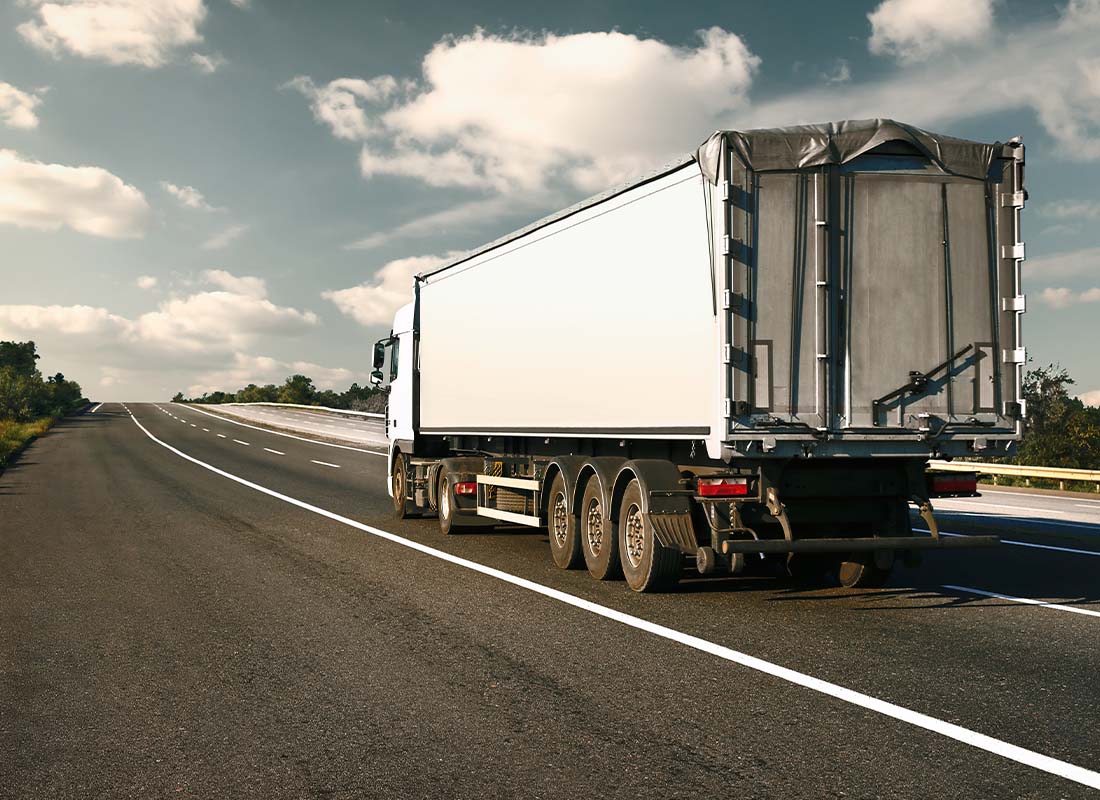
Commercial trucking insurance is a package of specialized coverages designed to protect truck-dependent businesses from the liability, physical damage, and cargo losses that standard commercial auto policies are not built to handle. A fully loaded semi carries more risk per mile than almost any other business vehicle on the road, and the policies that cover it need to reflect that.
At Bittick, we work with owner-operators, private carriers, and motor carriers across Idaho and Texas. We place coverage through multiple carriers and match the policy structure to how your trucks are actually operated, whether you're hauling ag equipment down Highway 20 to Caldwell or running refrigerated freight on I-35 north of San Antonio.
Your trucking operation faces unique risks that standard commercial insurance won't cover.
From liability gaps to cargo damage, we help you build a trucking insurance program that protects your business on every load.
What this coverage includes
Primary Liability
Primary liability is the foundation of any trucking policy. It pays for bodily injury and property damage you cause to others when your truck is at fault in an accident. For most for-hire carriers, federal or state regulators require a minimum liability limit before you can operate, and your policy can include the government filings needed to verify that compliance. Owner-operators under their own authority carry this directly. Those on permanent lease to a motor carrier may have it covered under the carrier's policy, but you should confirm exactly what gaps remain.
Physical Damage
Physical damage coverage pays to repair or replace your truck when the loss is yours to absorb. That includes collisions where no other driver is at fault, as well as fire, theft, vandalism, and objects falling on the cab. If your truck is financed or on a lease, the lender will typically require this. If you own the truck outright, it is optional, but losing a $150,000 piece of equipment to a total loss without coverage can end a small operation fast. Rates depend heavily on the age and value of the equipment and your loss history.
Motor Truck Cargo Insurance
When you are hauling someone else's freight, you are responsible for it from the moment it is loaded until it is delivered. Motor truck cargo insurance covers the cost of damaged or lost goods, removal expenses if cargo spills onto a roadway, legal fees if a shipper sues, and sometimes the freight charges you cannot collect because the load never arrived. Coverage limits and exclusions vary by commodity, so a policy written for a dry-van operation may not work for a fuel hauler or a livestock carrier without endorsements.
Bobtail and Non-Trucking Liability
These two coverages fill the gaps that exist when your truck is moving but you are not actively working under a motor carrier's dispatch. Bobtail insurance applies when you are driving your truck without a trailer attached and operating under someone else's authority, such as heading to pick up a load or returning after a drop. Non-trucking liability applies when you are using the truck for personal purposes entirely unrelated to business. Both cover bodily injury, property damage, and legal fees in those specific windows. Neither replaces primary liability; they exist because primary liability policies written by motor carriers typically exclude non-business use.
Garagekeepers, On-Hook, and Trailer Interchange
Tow truck operations and carriers who handle trailers they do not own need additional layers. On-hook insurance covers a vehicle being actively towed if it is damaged during the tow. Garagekeepers insurance covers vehicles stored at your facility overnight. Trailer interchange insurance protects a trailer you have taken possession of under a written interchange agreement, covering damage that occurs while it is in your custody. These are distinct from cargo coverage and from your own physical damage policy, because in each case the property belongs to someone else.
Pairs well with
General Liability (Motor Truck)
Motor truck general liability covers bodily injury and property damage caused by your business operations off the road, such as a customer injured at your terminal or damage caused by a driver's actions during delivery. It pairs with primary liability, which covers on-road incidents.
Learn more ›Commercial Auto Insurance
Pickup trucks, work vans, and lighter service vehicles that support your trucking operation typically fall under a commercial auto policy rather than a trucking policy. Keeping them on a separate commercial auto schedule ensures nothing falls through the cracks.
Learn more ›Workers Compensation
Drivers and dock workers face physical injury risks every day. Workers compensation covers medical treatment and lost wages for employees hurt on the job, and in Idaho it is required once you have one or more employees.
Learn more ›Business Owner's Policy
If your operation includes a terminal, office, or repair shop, a business owner's policy bundles commercial property and general liability coverage for that fixed location. It complements the road-based coverages in your trucking package.
Learn more ›Umbrella / Excess Liability
A serious accident involving a commercial truck can generate claims that exceed your primary liability limits quickly. A commercial umbrella policy sits above those limits and pays what the underlying policy cannot.
Learn more ›