
Personal Insurance
Let Your Driving Habits Lower Your Auto Premium
Usage-based insurance monitors how you actually drive and can reward safe habits with real premium savings.
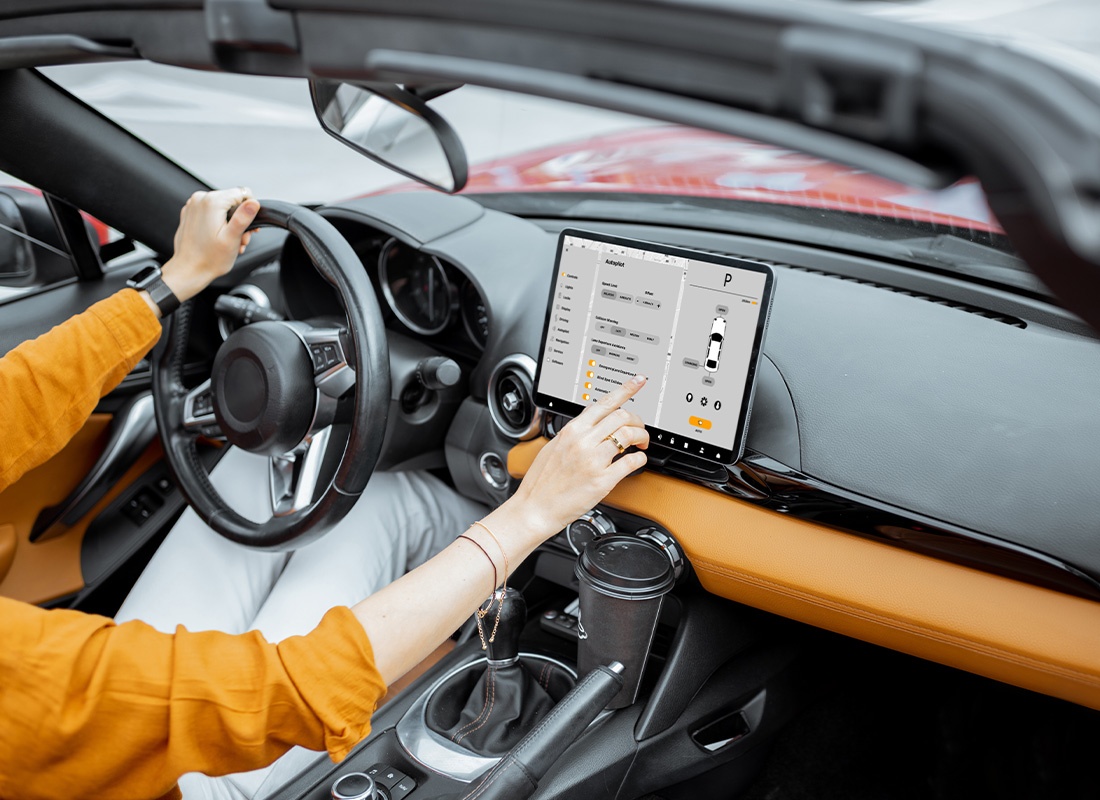
Telematics insurance, also called usage-based insurance (UBI), is an auto insurance pricing approach where a carrier monitors your real driving behavior through a device or app and uses that data to set or adjust your premium. Instead of rating you primarily on statistical demographics, your actual mileage, braking patterns, acceleration, and time of day behind the wheel influence what you pay. Bittick Insurance works with carriers that offer telematics programs for both personal and commercial auto policies, so we can help you decide whether a usage-based option is likely to save you money before you commit to one.
What this coverage includes
How the monitoring actually works
What gets measured and why it matters
Personal auto savings and incentives
Commercial auto and fleet applications
Pairs well with
Standard Personal Auto Insurance
Telematics is a pricing and discount layer on top of a standard auto policy, not a standalone product. Your underlying liability, collision, and comprehensive coverages still come from a traditional policy.
Learn more ›Commercial Auto Insurance
Business owners running work vehicles can pair telematics monitoring with a commercial auto policy to document driver behavior and potentially reduce fleet premiums.
Learn more ›Fleet Insurance
Companies operating multiple vehicles benefit most from telematics data at scale, making fleet insurance a natural companion for any usage-based monitoring program.
Learn more ›Rideshare Insurance
Gig drivers logging high mileage for rideshare platforms are prime candidates for telematics review; rideshare-specific coverage fills the gaps a personal auto policy leaves open during app-on periods.
Learn more ›What this coverage protects against
Common risks and how this coverage addresses them. Tap any scenario to expand.
-
Low-mileage driver saving money by proving it.
The risk
You work from home in Star and drive fewer than 7,000 miles a year, but your premium is still based on average demographic assumptions for your zip code. Your insurer has no way to confirm you barely touch the highway.
How this coverage helps
Enrolling in a telematics program lets the carrier verify your actual mileage. Drivers who confirm genuinely low annual mileage typically qualify for meaningful discounts that a standard rating tier would never offer.
-
New driver building a rate history beyond their age bracket.
The risk
Young drivers pay some of the highest auto insurance rates because carriers rely on age as a proxy for risk. A 20-year-old with careful habits still gets rated like every other 20-year-old.
How this coverage helps
A telematics program gives that driver a way to demonstrate safe behavior directly. Strong scores over six to twelve months can result in discounts that override part of the age-based surcharge, and some carriers use the score to influence the renewal rate.
-
Contractor fleet catching a high-risk driver before a claim happens.
The risk
A Meridian-based excavation company runs six pickups and a flatbed. One driver's braking and acceleration patterns are consistently outside normal range on morning runs, but no incident has occurred yet.
How this coverage helps
Telematics data surfaces that pattern in the fleet dashboard before it becomes a claim. The business owner can address the habit directly with the driver and document the conversation, which matters if a loss eventually does occur.
-
Commuter weighing whether telematics will actually save money.
The risk
A daily commuter driving 30 miles each way on I-84 between Nampa and Boise wonders whether a usage-based program will help or hurt. High mileage and rush-hour driving could score against them.
How this coverage helps
This is exactly the conversation Bittick has before enrollment. We review the carrier's scoring factors with you so you understand which variables apply to your specific driving pattern before you agree to be monitored.
-
Driver getting concrete feedback on a bad habit.
The risk
A driver consistently accelerates hard off stoplights and rolls quickly into corners. They do not think of it as risky, but their insurer's risk model does, and it shows up in their telematics score.
How this coverage helps
The scoring app flags the pattern by intersection or road segment. Many drivers find that seeing the data is enough to shift the habit, and the score improvement at the next review period reflects it in their rate.
-
Small business owner scheduling maintenance through mileage tracking.
The risk
A landscaping company in Caldwell has four trucks on rotating jobs. Keeping track of oil change intervals and tire rotations across the fleet falls through the cracks between jobs.
How this coverage helps
Telematics mileage logging makes it straightforward to trigger maintenance reminders at set intervals. Vehicles that get serviced on schedule break down less, which reduces both downtime and the risk of a roadside incident that turns into a claim.