
Insurance by Industry
Protect Your Grazing Land When Rainfall Runs Short
PRF insurance triggers a payment when precipitation in your grid drops below historical norms, keeping your livestock operation on solid footing.
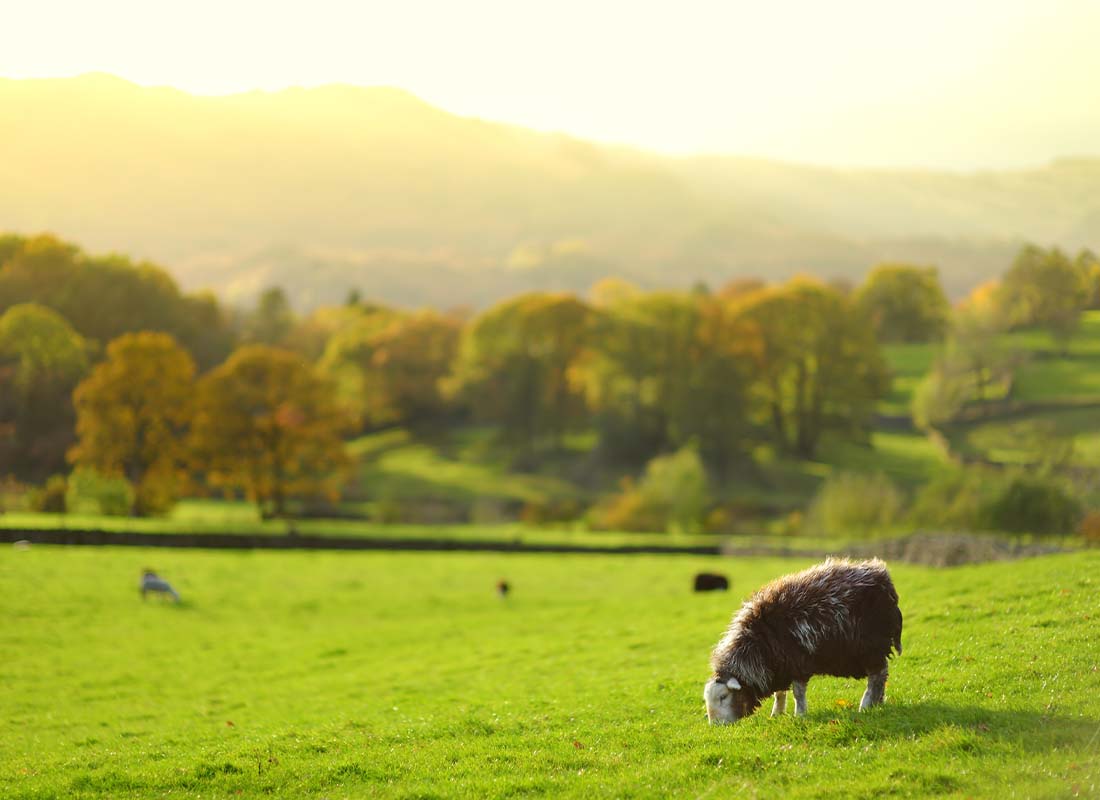
Pasture, Rangeland, and Forage (PRF) insurance is a federally managed program that pays ranchers and livestock producers when rainfall in their area falls below the historical average during the growing periods that matter most to their operation. It runs through the USDA Risk Management Agency and covers perennial pasture, rangeland, and forage crops across all 48 contiguous states. In southern Idaho, where a string of dry months between spring green-up and fall dormancy can force early hay purchases or early culling decisions, PRF gives producers a way to offset that cash hit. Bittick places PRF coverage alongside the broader insurance programs your operation already carries.
What this coverage includes
Rainfall Index: how a payment gets triggered
PRF uses NOAA precipitation data to establish what normal rainfall looks like for each grid across the country. When you enroll, you select at least two index intervals: two-month windows when moisture is critical to forage production on your land. If the Rainfall Index for your grid falls below the trigger level you set during any covered interval, the program calculates an indemnity payment based on your insured acreage and your chosen coverage level. No crop production records are required. No farm-level loss inspection happens. The payout is driven entirely by what the precipitation data shows for your grid.
Flexibility in what you insure
You can insure all of your eligible acreage or only a portion of it, which lets you concentrate coverage on your highest-value pasture or your most drought-sensitive ground. Haying land typically draws a higher premium than grazing land because forage production expectations are greater there, so you have real decisions to make about where your premium dollars work hardest. An agent who understands Idaho's mix of irrigated and dryland ground can help you structure those choices.
What PRF does not cover
PRF is not drought insurance, and that distinction matters. A county-level or state-level drought declaration does not automatically trigger a payment. Heat damage and wind damage, which drought insurance can address, fall outside PRF's scope. Only a measurable departure from normal precipitation within your chosen index intervals and your specific grid will generate an indemnity. If you need broader protection against extended or multi-year drought effects, PRF should be part of a larger risk management strategy, not the whole answer.
Area-based program structure
Because PRF is area-based rather than individual-experience-based, your claims history and your neighbors' claims history play no role in determining whether you receive a payment or how much you receive. That structure keeps enrollment straightforward and removes the administrative burden of documenting yield losses on a field-by-field basis. It also means two producers on adjacent ground in the same grid will see the same index results, even if one managed their pasture more aggressively than the other.
Pairs well with
General Crop Insurance
If your operation grows anything beyond perennial forage — small grains, hay crops, or row crops — a crop insurance policy addresses yield and revenue losses PRF doesn't reach.
Farm and Ranch Insurance
A farm and ranch policy bundles property coverage for your structures, equipment, and stored feed with liability protection, filling the gaps that federal programs like PRF leave open.
General Liability Insurance
Any agricultural operation that has employees, equipment, or visitors on the property needs general liability coverage for bodily injury and property damage claims that arise from day-to-day operations.
Learn more ›Workers' Compensation Insurance
Idaho requires most employers to carry workers' comp. Ranch hands, irrigation crews, and seasonal employees are all covered for medical costs and lost wages from work-related injuries.
Learn more ›Environmental Impairment Liability
Operations that apply pesticides, herbicides, or fertilizers carry contamination risk. Environmental impairment coverage addresses cleanup costs and third-party claims tied to chemical spills or runoff.
What this coverage protects against
Common risks and how this coverage addresses them. Tap any scenario to expand.
-
April and May rainfall comes in far below the historical average.
The risk
Spring green-up in the Treasure Valley depends on a consistent wet period from late March through May. When that window runs dry, perennial grass pastures produce a fraction of their normal yield, and ranchers are forced into the hay market weeks earlier than planned and at prices that reflect everyone else's shortage.
How this coverage helps
If April-May is one of your selected index intervals and the Rainfall Index for your grid falls below your coverage trigger, PRF generates an indemnity payment. That payment doesn't replace the forage, but it offsets the cost of buying hay to bridge the gap.
-
The July-August interval comes in short two years running.
The risk
A back-to-back dry summer sequence depletes the forage reserve faster than a single bad year. By the second August, pasture rest schedules break down and ranchers are either destocking or buying feed they can't afford.
How this coverage helps
Because PRF evaluates each year's index intervals independently, a payment is triggered in any year where your grid falls short during a covered interval, regardless of what happened the prior year. Two short years mean two separate indemnity calculations.
-
A drought is declared for your county, but your grid index still passes.
The risk
County drought maps and NOAA precipitation grids don't always line up. A producer can sit inside a declared drought area and still have a grid index that comes in at or above the trigger level, receiving no PRF payment despite genuine forage stress.
How this coverage helps
Understanding this before you enroll matters. Bittick walks you through how your specific grid has behaved historically so you set your index intervals and coverage levels based on actual data, not just the county line on a drought map.
-
Haying ground produces a short first cutting because spring moisture never arrived.
The risk
On ground you run for hay rather than grazing, your revenue depends on cutting volume and quality. A dry April can cut your first-cutting tonnage by a third or more, and that shortfall hits twice: you sell less and you have less to carry into your own winter feed supply.
How this coverage helps
PRF covers haying land as well as grazing land. Premium rates are higher on hay ground because expected production is higher, but the coverage structure works the same way: a grid-level precipitation deficit during your interval triggers payment.
-
Late-summer moisture deficit cuts fall stockpile growth.
The risk
Many Snake River Valley ranchers rely on September stockpile growth to stretch the grazing season and reduce hay feeding days. A short August-September interval can eliminate that buffer entirely, moving the first feeding date weeks earlier.
How this coverage helps
Selecting August-September or September-October as one of your covered intervals targets exactly this risk. A payment triggered by a deficit in that window can cover the additional hay costs from moving to supplemental feeding sooner than planned.
-
You want to insure your most productive pasture without paying premiums on marginal ground.
The risk
Not every acre on a ranch is equally productive. Paying to insure rocky, low-productivity rangeland at the same rate as your improved pasture can make the program feel like a poor fit financially.
How this coverage helps
PRF lets you insure all or part of your eligible acreage. A Bittick agent can help you identify which acres carry the most rainfall risk relative to their value and build a program that concentrates coverage where it does the most work.