
Business Insurance
Ocean Marine Insurance for Cargo, Vessels, and Crew
If your business moves goods across open water, ocean marine coverage protects what standard commercial policies leave exposed.
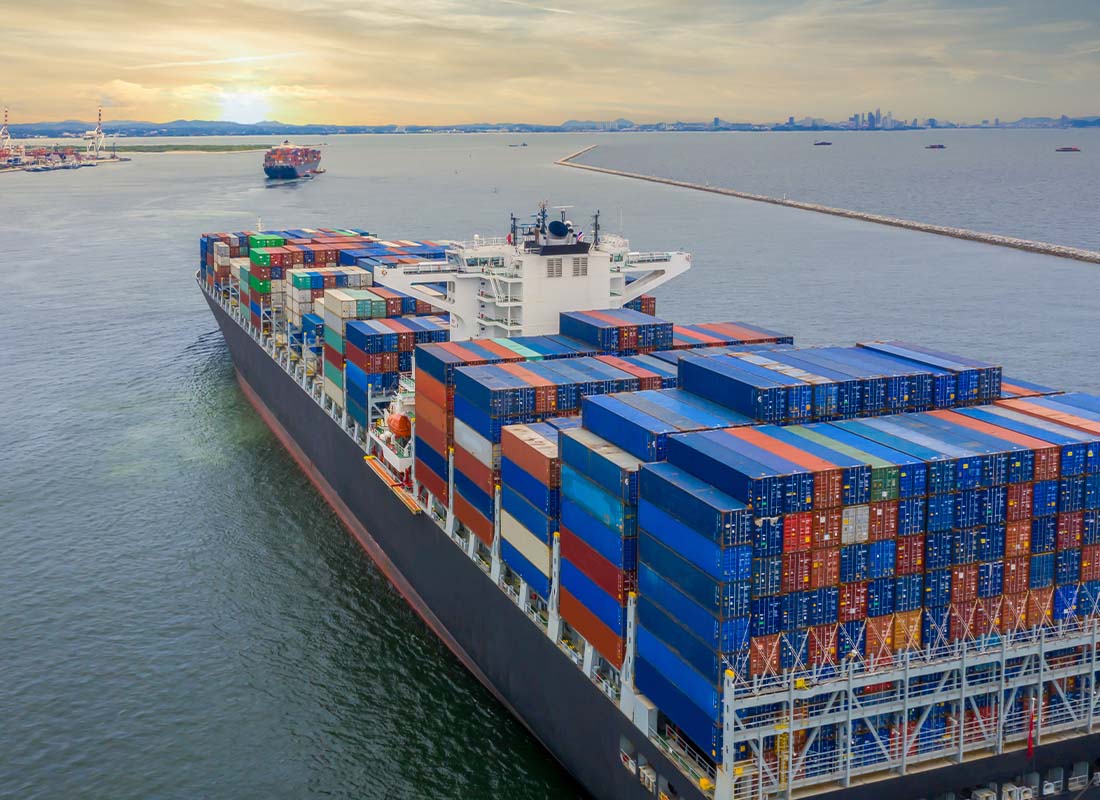
Ocean marine insurance is a family of commercial policies designed to protect ships, the cargo they carry, the crew aboard them, and the liability exposures that arise from maritime operations. Standard commercial property and workers' compensation policies were not written with maritime exposures in mind, so businesses that import, export, ship, or build vessels need coverage that actually fits what they do.
Bittick works with importers, exporters, manufacturers, shipbuilders, and ship operators across our licensed states: CA, CO, ID, NV, OR, TX, VA, and WA. We shop the market independently to place the right combination of marine coverages for each client's operation, whether that means a single cargo policy or a layered program covering hull, liability, crew injury, and pollution.
Ocean and cargo movement demand specialized protection.
Your business on the water faces unique risks, and we help you cover them.
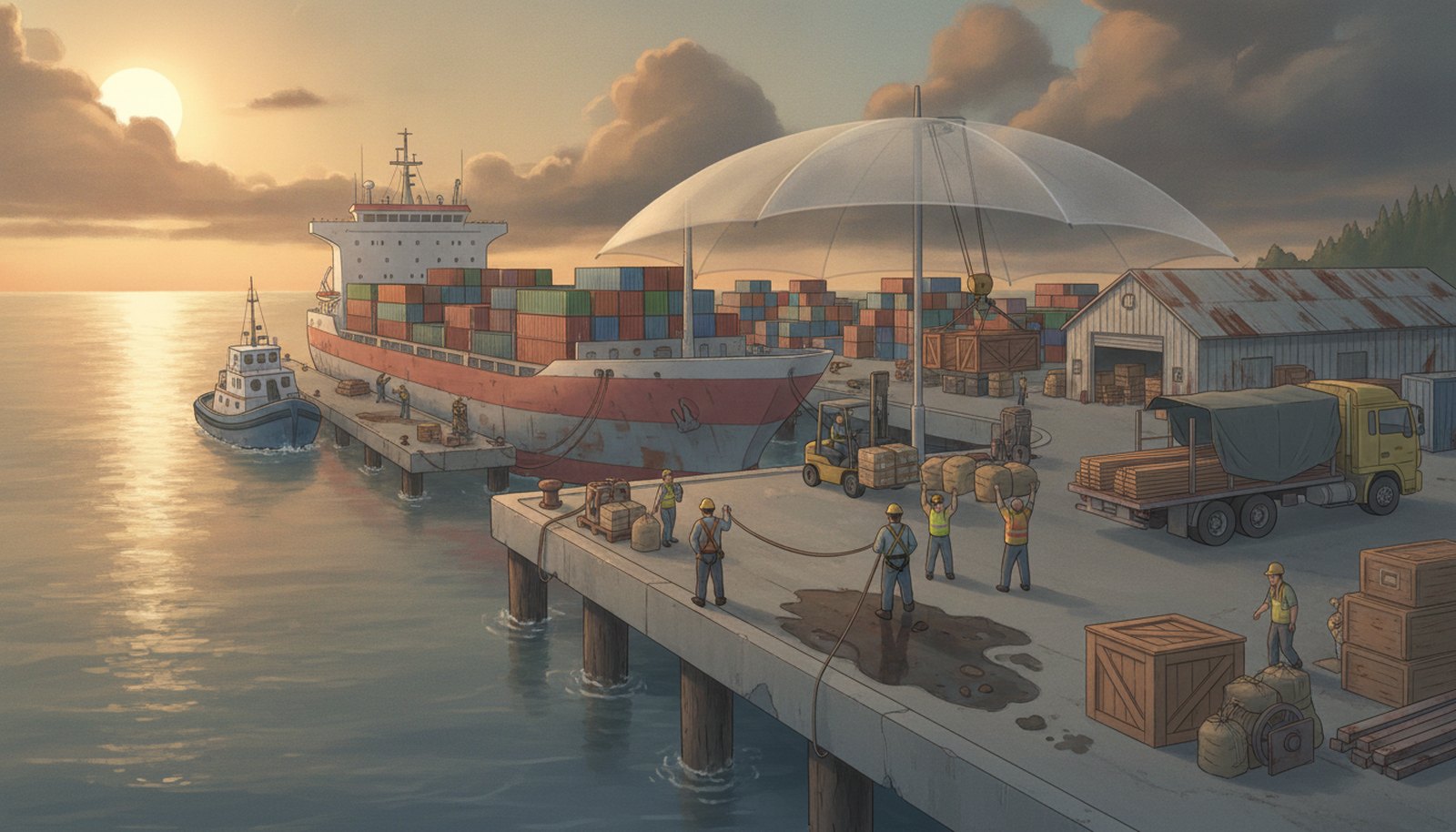
What this coverage includes
Marine cargo coverage
Marine cargo insurance pays for physical loss or damage to goods in transit, whether the damage happens at sea, at the port, or on the truck or rail leg connecting the port to its final destination. Coverage can be written on a named-perils basis (only specified causes of loss) or on a broader all-risk form that covers any cause of loss not explicitly excluded. Contracts between importers and exporters often require cargo coverage, and the right form depends on commodity type, routing, and contract terms.
Protection and indemnity (P&I) liability
Protection and indemnity coverage is the primary liability policy for vessel operators. It pays for third-party bodily injury and property damage claims that arise from operating a vessel: collisions with other ships, damage to docks or cargo facilities, and injury to passengers or bystanders. P&I also picks up legal defense costs. Think of it as the maritime equivalent of a commercial general liability policy, but written for the specific legal framework that governs navigable waters.
Jones Act and LHWCA crew coverage
Two federal statutes govern injury compensation for maritime workers, and neither is satisfied by standard workers' compensation. The Jones Act requires vessel owners to compensate crew members injured through employer negligence. The Longshore and Harbor Workers' Compensation Act (LHWCA) covers non-crew workers, including longshoremen, divers, repair personnel, and equipment suppliers, who are injured on or adjacent to navigable waters. Both exposures require endorsements or separate policies that most standard boat policies do not include automatically.
Hull coverage for vessels
Hull coverage insures the physical vessel itself against loss or damage from collision, fire, sinking, grounding, piracy, and other perils. It can be written on a scheduled basis for a specific ship or on a blanket basis for a fleet. Deductibles and valuation methods vary by carrier and vessel type, so it pays to compare forms carefully, especially for older or high-value vessels where agreed-value versus actual cash value makes a significant difference in a total loss.
Marine pollution liability
Fuel leaks, bilge discharge, and cargo spills can trigger cleanup requirements and third-party lawsuits that general liability policies specifically exclude. Marine pollution liability coverage pays for environmental remediation costs and the bodily injury or property damage claims that follow a pollution incident on or near the water. The Oil Pollution Act of 1990 also imposes strict liability on vessel operators for certain spills, making this coverage more than a precaution for most commercial operators.
Pairs well with
Commercial General Liability
P&I covers liability on the water, but your shore-side operations, offices, and land-based interactions need a separate general liability policy. The two work together to close the gap between maritime and land-based exposures.
Learn more ›Commercial Auto Insurance
Cargo moves by truck before it reaches the ship and after it clears the port. Commercial auto covers your owned or leased vehicles during those land legs, which marine cargo policies may not fully address.
Learn more ›Workers' Compensation
Shore-side employees who never set foot on a vessel still need standard workers' comp. Jones Act and LHWCA coverage handles the maritime workforce; workers' comp handles the rest of your payroll.
Learn more ›Commercial Umbrella Insurance
A serious maritime liability claim, especially one involving a vessel collision or a major pollution incident, can exceed the limits of your underlying P&I or general liability policy. A commercial umbrella adds a higher limit layer above your primary policies.
Learn more ›Commercial Property Insurance
Warehouses, shipyard buildings, dry-dock facilities, and shore-side equipment all need property coverage that sits outside the marine policy. Commercial property fills that gap for your land-based physical assets.
Learn more ›