
Insurance by Industry
Insurance Built for Marine Contractors and Their Crews
From hull coverage to environmental liability, Bittick helps marine contractors structure protection that matches the real risks of working on the water.
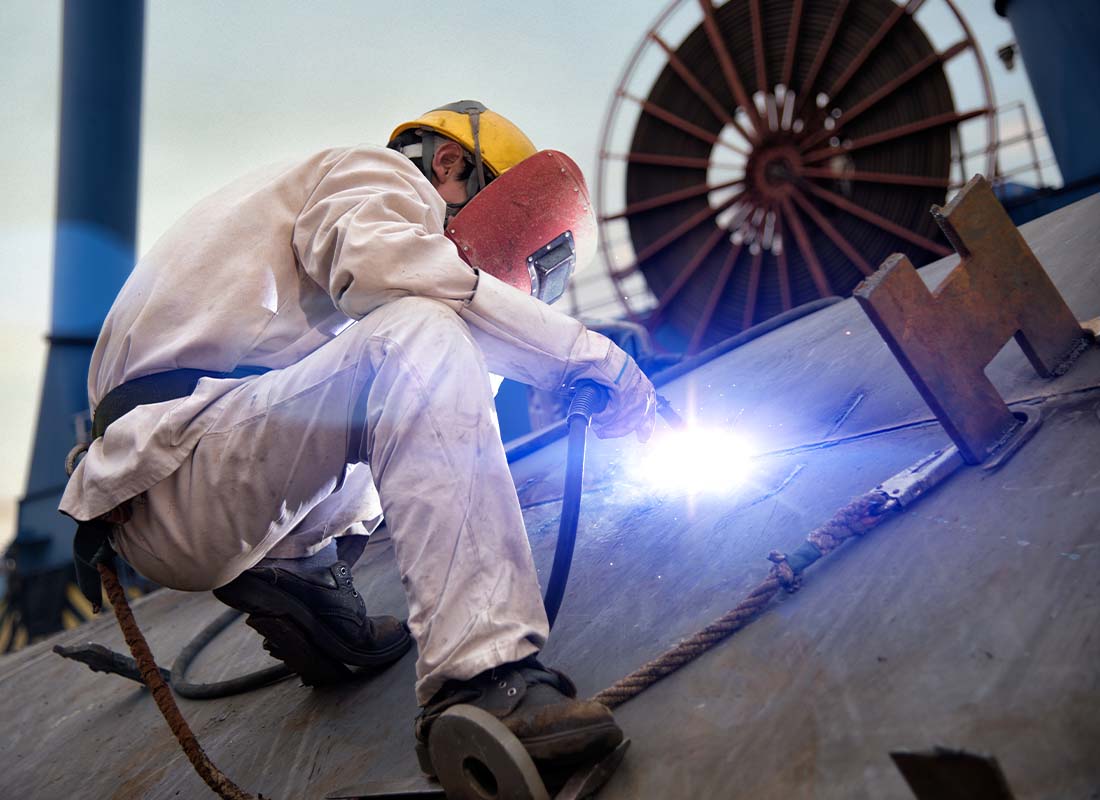
Marine contractor insurance is a bundle of specialized coverages designed for businesses that build, repair, dredge, or maintain structures on or near navigable waterways, where standard commercial policies leave meaningful gaps. A land-based general liability policy typically excludes work performed from a vessel, so marine contractors need coverage that accounts for operations conducted on the water. Bittick is an independent agency licensed in CA, CO, ID, NV, OR, TX, VA, and WA, and we shop your risk across multiple carriers to put together a program that reflects what your business actually does.
What this coverage includes
Marine general liability
Marine general liability works like standard commercial general liability, but it extends to cover third-party property damage and bodily injury claims that arise from work performed from your vessel. A typical commercial GL policy excludes waterborne operations, so this is the policy that fills that gap. If your crew accidentally strikes a dock, damages an adjacent vessel, or injures a third party during a project, marine GL is the coverage that responds.
Hull, protection, and indemnity (P&I)
Your vessels are the equipment your business runs on. Hull coverage pays to repair or replace your boat's structure if it is damaged in a collision, grounding, or storm. Protection and indemnity (P&I) is the liability side of the same package: it covers damages you cause to other vessels or property, and it can also extend to cover crew injury claims under Jones Act exposure. Together, hull and P&I form the core of any marine contractor's vessel coverage.
Workers' compensation for maritime crews
Marine contracting involves heavy equipment, unstable surfaces, and physical labor, a combination that produces injuries at a higher rate than most trades. Workers' compensation covers your employees' medical bills and a portion of lost wages after a job-related injury. For crews with maritime employment status, there may also be Jones Act or Longshore and Harbor Workers' Compensation Act (LHWCA) obligations layered on top of state workers' comp requirements. Getting the classification right matters, and it affects both your coverage and your premium.
Environmental and pollution liability
Fuel spills, hydraulic fluid releases, and disturbed sediment are real hazards in marine contracting. Environmental impairment liability covers your cost to clean up a pollution event and pays third-party claims from people or businesses harmed by the contamination. Standard commercial policies exclude most pollution events, so this coverage has to be added separately. Regulators and project owners increasingly require it by contract before work can begin.
Business interruption and cyber liability
If a covered loss sidelines your vessel or equipment and you cannot complete contracts, business interruption coverage replaces lost revenue during the downtime. Separately, marine contractors increasingly use project management software, billing systems, and client data stored online, and a ransomware attack or data breach can be just as disruptive as a collision. Cyber liability coverage pays for breach response, notification costs, and certain financial losses from a cyberattack.
Pairs well with
Commercial General Liability
Land-side operations, office premises, and any onshore work still need standard GL coverage. Marine GL covers waterborne work, but a CGL policy handles the liability exposure that happens on dry ground.
Learn more ›Commercial Umbrella Insurance
Marine projects often involve large contracts and significant third-party exposure. An umbrella policy extends your underlying liability limits when a single claim exhausts your primary coverage.
Learn more ›Inland Marine / Equipment Floater
Tools and specialized equipment transported between job sites, whether on a trailer or in the back of a work truck, are typically excluded from standard property policies. An inland marine floater covers that equipment on the move.
Learn more ›Commercial Auto Insurance
Trucks, trailers, and tow vehicles used to move vessels, equipment, or materials between sites need commercial auto coverage, because personal auto policies exclude business use of that kind.
Learn more ›Contractor's Professional Liability
If your scope includes engineering, design, or project management, professional liability (errors and omissions) covers claims that your professional advice or design caused financial loss or physical damage.
Learn more ›What this coverage protects against
Common risks and how this coverage addresses them. Tap any scenario to expand.
-
Vessel collision during a bridge fender repair.
The risk
Your work barge is repositioning along a river channel when it makes contact with a privately owned recreational vessel tied to a nearby dock. The boat sustains significant hull damage, and the owner files a claim for repair costs and loss of use.
How this coverage helps
The protection and indemnity portion of your hull and P&I policy pays the third-party vessel owner's repair costs and loss-of-use claim. The collision is exactly the kind of waterborne liability event that standard commercial GL would not cover.
-
Hydraulic line failure causes a fuel spill.
The risk
A hydraulic line ruptures on your crane barge during a pile-driving project, and fluid reaches the water before your crew can contain it. The state environmental agency issues a cleanup order, and a downstream marina files a claim for losses tied to the contamination.
How this coverage helps
Environmental impairment liability covers your cleanup costs and responds to the marina's third-party claim. Without this coverage, both expenses would come directly out of your operating budget.
-
Crew member injured by shifting cargo.
The risk
A deckhand is securing equipment when an unsecured load shifts and strikes his leg, resulting in a fracture and six weeks off work. The injury happened aboard the vessel during a commercial project.
How this coverage helps
Workers' compensation covers the employee's medical bills and a portion of his lost wages during recovery. Depending on his employment classification, Jones Act protections may also apply, and having the right policy structure in place before the injury is what allows those claims to be handled without a coverage dispute.
-
Storm damages a moored work vessel overnight.
The risk
A fast-moving late-summer storm pushes through the area and your primary work vessel, moored at your staging yard, sustains damage to the superstructure and onboard equipment. You have two contracts running on a tight schedule.
How this coverage helps
Hull coverage pays for structural repairs. Business interruption coverage replaces the revenue you lose while the vessel is out of service, which gives you time to get back on the water without your operating expenses outrunning your income.
-
Ransomware locks your project management system.
The risk
Your office manager opens a phishing email and ransomware encrypts your project files, bidding records, and subcontractor contacts. You cannot access active project documentation for several days, and a client demands a delay penalty under the contract.
How this coverage helps
Cyber liability coverage pays the incident response costs, the data recovery effort, and negotiation with the ransomware actors. It can also cover contractual penalties or business losses caused by the system outage, which standard property or liability policies do not address.
-
Submerged obstruction damages hull during a dredging project.
The risk
Your crew is dredging a silted channel when the vessel contacts an unmarked submerged concrete obstruction. The collision breaches a section of the hull below the waterline and forces the vessel out of service for repairs.
How this coverage helps
Hull coverage pays for the below-waterline repairs. Because the obstruction was unmarked and not on any survey, the claim is treated as an accidental allision, which falls squarely within the coverage your hull policy is built to handle.
-
A third party claims your work caused structural damage to their dock.
The risk
After you complete a seawall installation along a tidal channel, an adjacent property owner claims the vibration from your pile-driving work cracked the footing of his private dock. He submits a repair estimate and threatens to file suit.
How this coverage helps
Marine general liability covers third-party property damage claims arising from your waterborne operations. Your carrier assigns a claims professional to evaluate the damage, and the policy responds to covered repair costs, keeping the dispute out of your personal finances.