Insurance by Industry
Manufacturer Insurance That Keeps Your Operation Running
From raw materials to finished goods on a truck, Bittick places coverage that matches the real risks of making and shipping products.
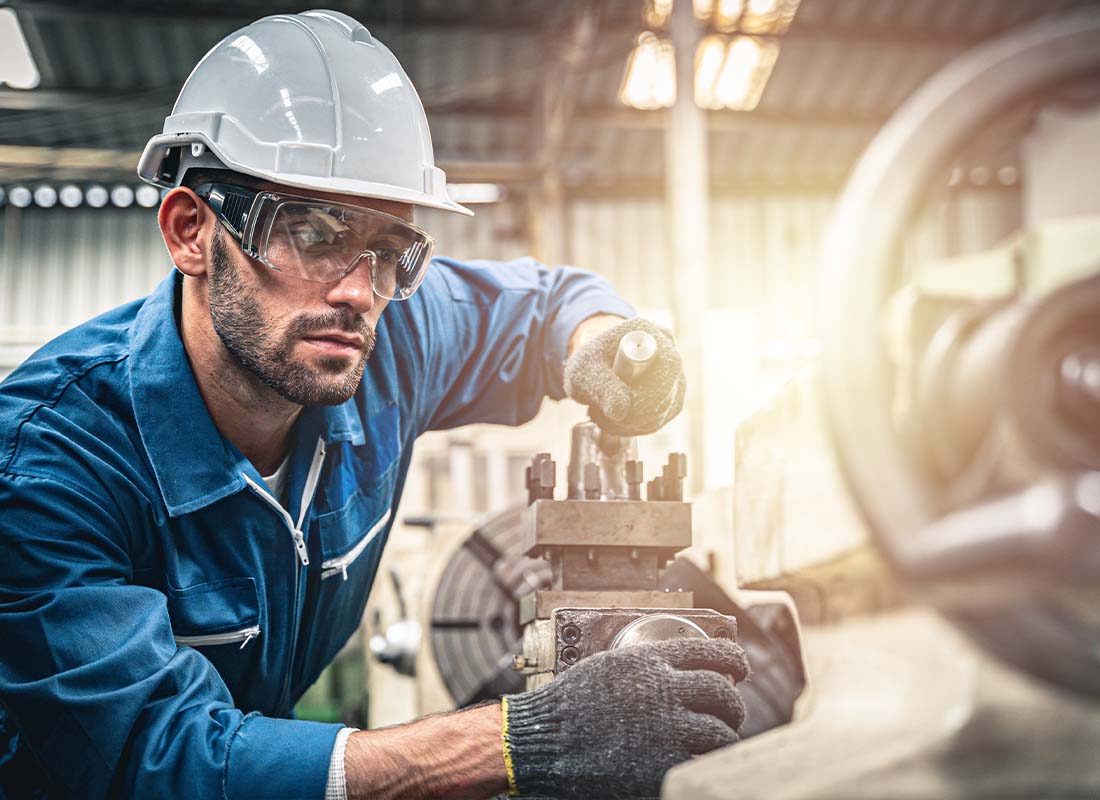
Manufacturer insurance is a bundle of commercial coverages designed for businesses that produce, package, and distribute physical goods, addressing exposures that standard business owner policies often leave uninsured. A food processor in Caldwell, a precision-parts shop in Nampa, or a cabinet maker in Eagle all face liability tied to the products they ship, property losses that can halt an entire production line, and cargo risks the moment goods leave the dock. Standard general liability alone is not enough. Bittick shops your account across multiple carriers, in Idaho and across our licensed states, CA, CO, ID, NV, OR, TX, VA, and WA, to build a program that fits what you actually make.
Manufacturing comes with unique risks that standard policies often miss.
From production shutdowns to product recalls and cargo in transit, we help you build a protection plan tailored to your operation.
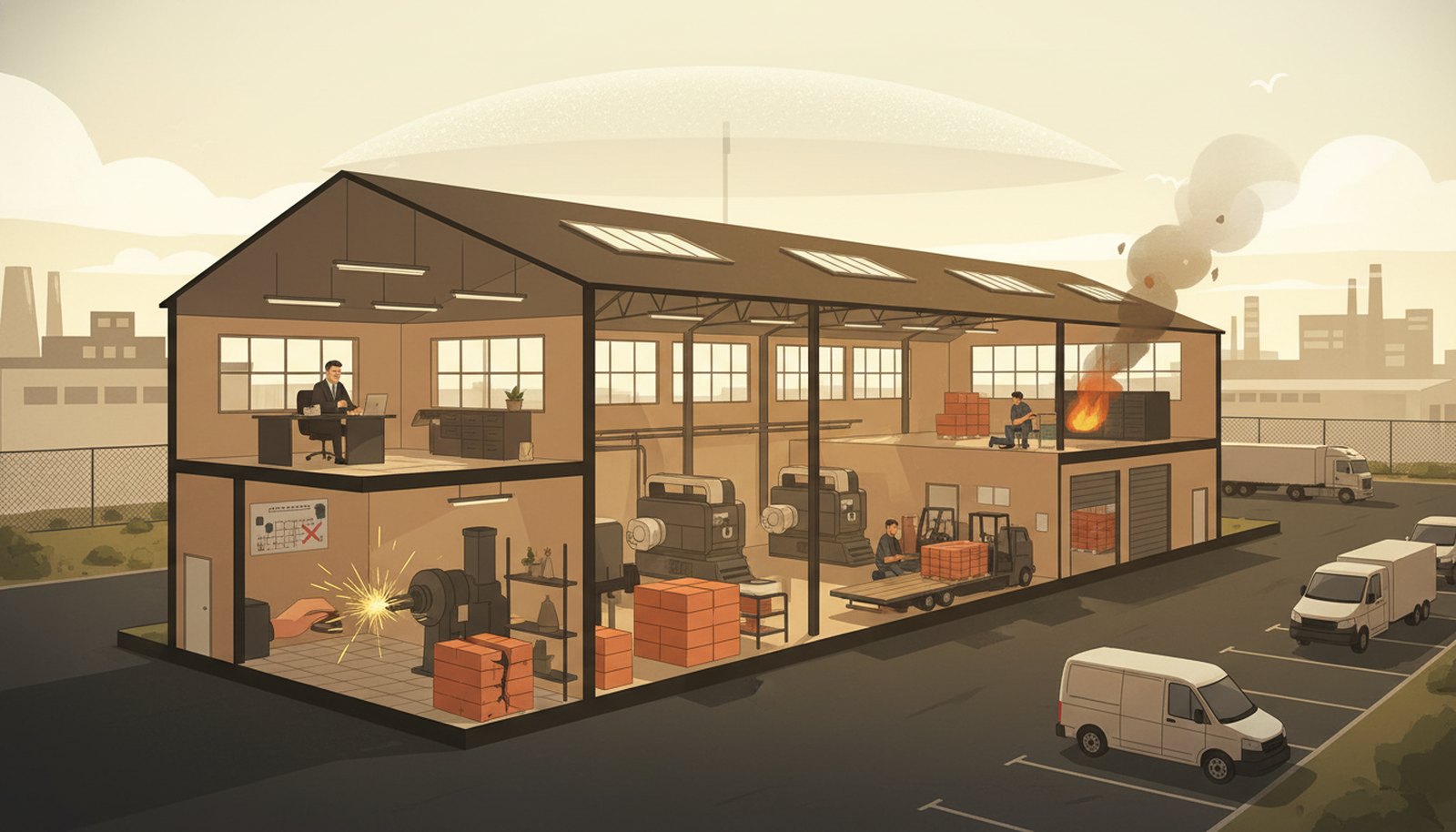
What this coverage includes
General liability and product liability
Commercial general liability covers your manufacturing premises, your ongoing operations, and claims that arise after a product has already shipped. That last part, called completed-operations coverage, matters a great deal in manufacturing: if a component you made fails in a customer's equipment and causes injury or property damage months later, this policy steps in to cover defense costs and settlements. It covers advertising injury and personal injury claims as well. Most carriers package general liability and product liability together for manufacturers, but it is worth confirming the limits on the products-completed-operations aggregate, because that is often where manufacturing claims hit hardest.
Commercial property and business interruption
Commercial property insurance covers the physical building, production equipment, raw materials, and finished-goods inventory against fire, explosion, equipment breakdown, and other covered causes of loss. The policy pays to repair or replace, but replacement value matters: make sure your policy reflects current rebuild costs and equipment prices, not depreciated values. Business interruption insurance extends that protection to your income stream. If a covered loss shuts down your production line for three weeks, business interruption pays the revenue you would have earned and keeps recurring operating expenses covered while you get back up and running.
Manufacturers' selling price and errors and omissions
A manufacturers' selling price clause in your property policy changes how a stock loss is calculated. Instead of paying out based on the raw-material cost of destroyed inventory, the carrier pays based on what you would have sold those goods for. For any manufacturer with meaningful margins, this distinction can be significant. Errors and omissions liability, sometimes called products E&O, covers financial-loss claims that fall outside the typical bodily-injury-and-property-damage territory. If a customer says a defect in your product caused them to miss a production deadline and lose a contract, that is the kind of claim E&O is designed to address.
Product recall coverage
Product recall insurance covers the costs of pulling a product back from distribution, whether the recall is mandated by a regulatory agency or initiated voluntarily because your quality team found a defect before regulators did. Covered costs typically include customer notification, inbound and outbound shipping, disposal or destruction of affected stock, and sometimes public relations expenses to manage reputational fallout. Some policies extend to cover recall costs passed on by downstream distributors or retailers. For food, beverage, supplements, or any consumer product, this coverage warrants serious attention.
Cargo, commercial auto, and umbrella
Motor truck cargo insurance covers goods in transit by land. Ocean cargo coverage extends that protection to shipments moving by sea, air, or rail. Together they close the gap between your dock and your customer's receiving door. Commercial auto covers the vehicles your business owns or leases, including bodily injury and property damage your drivers may cause, plus physical damage to the vehicles themselves. A commercial umbrella policy sits above your general liability, auto, and other underlying policies to extend the total available limit, typically between two and ten million dollars, for severe losses where base-policy limits are not sufficient.
Pairs well with
Workers' Compensation
Idaho law requires workers' compensation for most employers, and manufacturing environments carry above-average injury frequency. This coverage pays medical costs and lost-wage benefits for employees injured on the job and protects the business from most related civil suits.
Learn more ›Commercial Umbrella / Excess Liability
Product liability verdicts and multi-party cargo claims can exceed standard policy limits. A commercial umbrella policy extends your total available liability limit and often broadens certain terms, giving manufacturers with significant distribution exposure a meaningful safety margin.
Learn more ›Equipment Breakdown Insurance
Commercial property policies typically exclude mechanical or electrical breakdown as a covered cause of loss. Equipment breakdown insurance fills that gap, covering the cost to repair or replace production machinery and the business income lost while it is out of service.
Commercial Auto Insurance
Delivery trucks, forklifts operating on public roads, and leased transport vehicles all need commercial auto coverage. Personal auto policies explicitly exclude vehicles used for business purposes.
Learn more ›Inland Marine / Cargo Insurance
Inland marine insurance covers goods, equipment, and materials while they are in transit or temporarily off your premises. For manufacturers shipping high-value finished goods, it closes a gap that commercial property policies leave open once product leaves the building.
Learn more ›