Insurance by Industry
Grocery Store Insurance for the Business Behind the Essentials
From refrigeration systems to slip-and-fall claims, Bittick helps grocery store owners build a policy that matches the real risks of running a store.
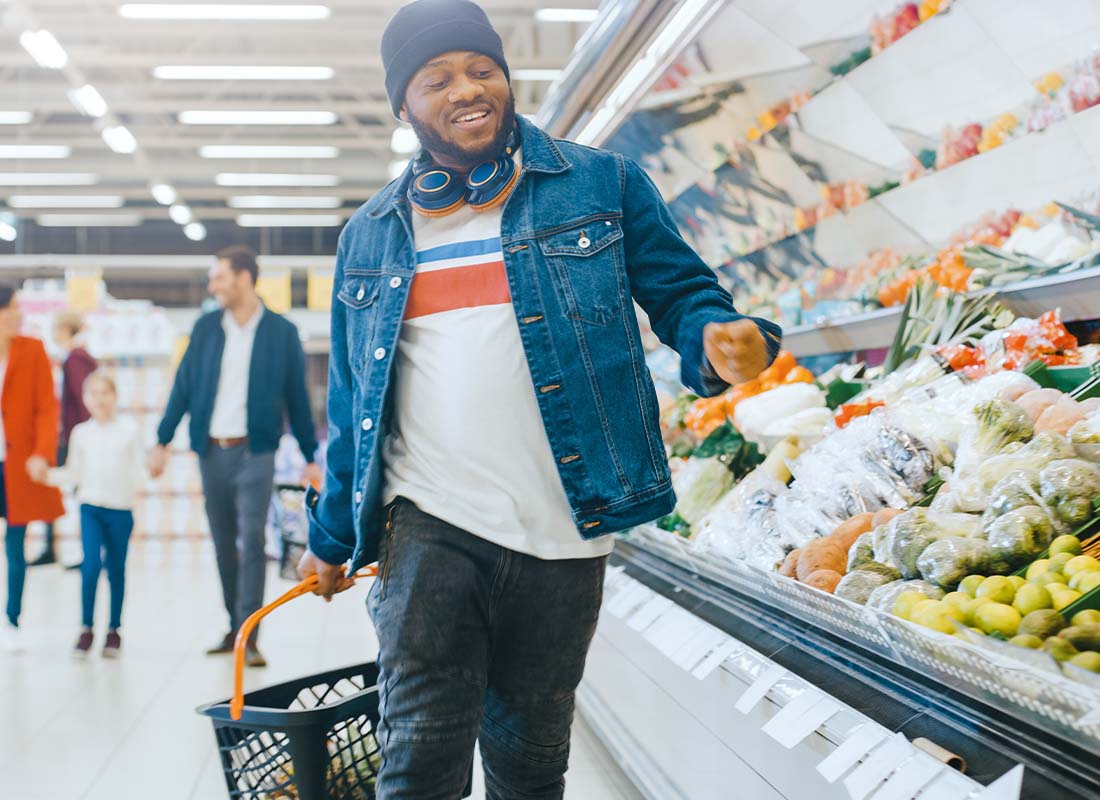
Grocery store insurance is a bundle of commercial coverages designed to protect a retail food business from the property, liability, and operational risks that come with selling food to the public. A grocery store carries a lot of exposure: high foot traffic, perishable inventory, food safety liability, payment card data, and in many cases a pharmacy or beer-and-wine section that each bring their own legal complications. A single coverage gap can turn a manageable incident into a serious financial hit. Bittick is an independent agency, so we shop your risk across multiple carriers and put together the combination of policies that actually fits your operation, whether you run a neighborhood market in Meridian or a full-service store serving the San Antonio metro.
What this coverage includes
Building and commercial property coverage
Your building and everything inside it represent a significant investment. Commercial property insurance covers the physical structure against damage from fire, windstorm, and vandalism. It also covers business personal property inside the store: shelving, point-of-sale systems, shopping carts, display cases, and the inventory itself. If your freezer or refrigeration systems fail, equipment breakdown coverage pays for the mechanical repair. Many carriers pair that with spoilage coverage, which reimburses you for perishable inventory that goes bad because of the equipment failure. In Idaho, where summer heat and occasional power disruptions during wildfire season can stress refrigeration equipment, spoilage coverage is worth taking seriously.
General liability and premises liability
Premises liability is the piece of general liability coverage that applies when a customer is injured on your property. A wet floor without a sign, a display stack that tips, a pothole in your parking lot: any of these can produce a bodily injury claim. General liability also picks up property damage claims when your store or your employees damage a customer's belongings. For most grocery stores, general liability is the foundation everything else is built on, because the volume of customer visits means the exposure is real and continuous.
Product liability and food safety coverage
You can do everything right and still face a lawsuit when a customer gets sick from something they bought at your store. Product liability coverage, which typically sits inside a general liability or commercial package policy, defends your business against claims that a product you sold caused illness or injury, regardless of whether the contamination originated with you or a supplier. Given that grocery stores move large volumes of perishable food, this coverage is not optional.
Specialized liability: liquor, druggist, and cyber
If your store sells alcohol, a standard general liability policy will not cover claims tied to an intoxicated customer who causes harm after leaving your store. Liquor liability insurance fills that gap. Similarly, if you operate a pharmacy, druggist liability covers errors and omissions by your pharmacy staff that result in a customer harm claim. And because nearly every grocery store now processes credit cards and loyalty program data, cyber liability coverage pays for breach response costs, notification expenses, and legal defense if customer data is compromised.
Workers' compensation and employment practices liability
Grocery stores employ a lot of people doing physically demanding work: lifting, repetitive motion at checkout, operating slicers and compactors, navigating a constantly moving sales floor. Workers' compensation covers medical treatment and lost wages when an employee is injured on the job, and Idaho law requires it once you have one or more employees. Employment practices liability insurance (EPLI) protects the business if a current or former employee files a claim alleging wrongful termination, discrimination, or harassment.
Pairs well with
Commercial Auto Insurance
If your store runs its own delivery vehicles, commercial auto covers your fleet for accidents, cargo damage, and liability on the road. For employee-owned vehicles used on store errands, hired and non-owned auto fills the gap.
Learn more ›Business Interruption Insurance
If a covered loss forces you to close temporarily, business interruption coverage replaces the revenue you would have earned during the shutdown, helping you meet payroll and fixed expenses while repairs are underway.
Learn more ›Cyber Liability Insurance
A breach affecting customer payment data triggers notification, forensics, and legal costs that a standard commercial property policy will not cover. Cyber liability is a separate policy that handles those specific costs.
Learn more ›Umbrella / Commercial Excess Liability
High foot traffic means a serious injury claim can exceed the limits on your underlying general liability policy. A commercial umbrella policy sits on top and extends those limits for catastrophic claims.
Learn more ›Employment Practices Liability Insurance (EPLI)
Grocery stores often have large, hourly workforces with high turnover. EPLI covers the cost of defending and settling employment claims that general liability and workers' compensation do not touch.
What this coverage protects against
Common risks and how this coverage addresses them. Tap any scenario to expand.
-
Refrigeration unit fails overnight and wipes out the meat case.
The risk
A compressor fails after close and no one discovers it until the morning shift arrives. By then the meat case, deli counter, and a row of frozen goods are unsalvageable. The loss runs into thousands of dollars in spoiled inventory alone, before you factor in the repair bill.
How this coverage helps
Equipment breakdown coverage pays for the mechanical repair to the refrigeration system. Spoilage coverage, added to the same policy, reimburses the cost of the lost perishable inventory up to the policy limit. Together they keep a mechanical failure from becoming a devastating out-of-pocket expense.
-
A customer slips on a wet floor and breaks a wrist.
The risk
An employee mops up a spill near the produce section and steps away to grab a wet floor sign. A customer rounds the corner and falls before the sign goes out. The injury requires surgery, and the customer retains an attorney.
How this coverage helps
The premises liability portion of your general liability policy covers the legal defense and any settlement or judgment arising from the claim. Without it, defending even a straightforward case can cost tens of thousands of dollars in attorney fees alone.
-
A customer gets sick and blames a product bought at your store.
The risk
A customer purchases packaged deli salad and becomes ill, later testing positive for a foodborne pathogen. Their attorney sends a demand letter claiming your store is responsible, even though the contamination may have originated at the processing facility.
How this coverage helps
Product liability coverage, included in most commercial general liability policies, pays for your legal defense and any damages the court awards. It applies whether the contamination was your fault or traced back up the supply chain.
-
Your store's loyalty program database is breached.
The risk
A hacker gains access to your customer loyalty system and extracts names, email addresses, and stored payment card numbers for thousands of shoppers. State law requires you to notify every affected customer, and several file complaints with their card issuers.
How this coverage helps
Cyber liability insurance covers the breach response: the forensics firm, the notification letters, credit monitoring for affected customers, and legal defense if customers or card networks pursue claims against your store. A commercial property policy will not cover any of those costs.
-
A delivery driver causes an accident on the way to a customer.
The risk
Your store offers same-day delivery. One of your drivers runs a red light and clips another vehicle, injuring the other driver. The injured party sues both the driver and your store, arguing you are vicariously liable for the accident.
How this coverage helps
Commercial auto insurance covers the liability claim against the store and the repair costs for the other vehicle. If the driver was using a personal vehicle rather than a store-owned one, hired and non-owned auto coverage is what steps in.
-
A pharmacy customer claims a dispensing error caused them harm.
The risk
Your in-store pharmacy fills a prescription incorrectly. The customer takes the wrong dosage for several days before noticing, and the resulting health consequences prompt a lawsuit against your pharmacy staff and the store.
How this coverage helps
Druggist liability insurance, a specialized form of professional liability coverage, covers legal defense and damages arising from pharmacy errors and omissions. A standard general liability policy excludes professional mistakes, so this coverage has to be added separately.
-
A fire forces your store to close for six weeks.
The risk
An electrical fire in the stockroom spreads before it is contained, leaving the store too damaged to operate. The building repair takes six weeks. During that time, no revenue is coming in, but payroll, loan payments, and lease obligations continue.
How this coverage helps
Business interruption coverage replaces the lost net income your store would have earned during the closure period and can also cover ongoing fixed expenses. It kicks in after the commercial property claim pays for the physical repairs, bridging the financial gap while you get back open.
-
A long-term employee files a wrongful termination claim.
The risk
You terminate an employee after a pattern of attendance issues. The employee retains an employment attorney and alleges the real reason was age discrimination. Even if your documentation is solid, defending the claim costs time and money.
How this coverage helps
Employment practices liability insurance pays for the legal defense and any settlement costs. For grocery stores with large hourly workforces and frequent staffing turnover, EPLI is one of the most practical protections a policy can include.
Frequently asked questions
What insurance does a grocery store actually need in Idaho?
How much does grocery store insurance typically cost?
Does spoilage coverage come standard, or do I need to add it?
My employees sometimes use their personal cars to make deliveries. Is that covered?
Not under a commercial auto policy, which only covers vehicles the business owns. If your employees use personal vehicles for store business, you need hired and non-owned auto (HNOA) insurance. HNOA covers your store's liability if an employee causes an accident while using their own car on a work errand. It does not cover damage to the employee's vehicle, but it does protect the store from being held financially responsible for the accident.