Insurance by Industry
Golf Course Insurance Built for How Courses Actually Run
From turf maintenance equipment to liquor liability at the 19th hole, Bittick shops the right carriers so your course stays covered.

Golf course insurance is a bundle of commercial coverages designed to protect the people, property, equipment, and revenue of a golf course operation. A golf course isn't just a playing surface; it's a complex commercial property with moving equipment, chemical inputs, food and beverage service, and hundreds of guests per day. A mis-hit ball, a clubhouse fire, a flooded fairway, or a lawsuit from a slip near the cart path can each carry serious financial weight. Bittick works with multiple carriers to place coverage that matches the actual footprint of your operation, whether you're running a daily-fee public course in the Treasure Valley or a private club near San Antonio.
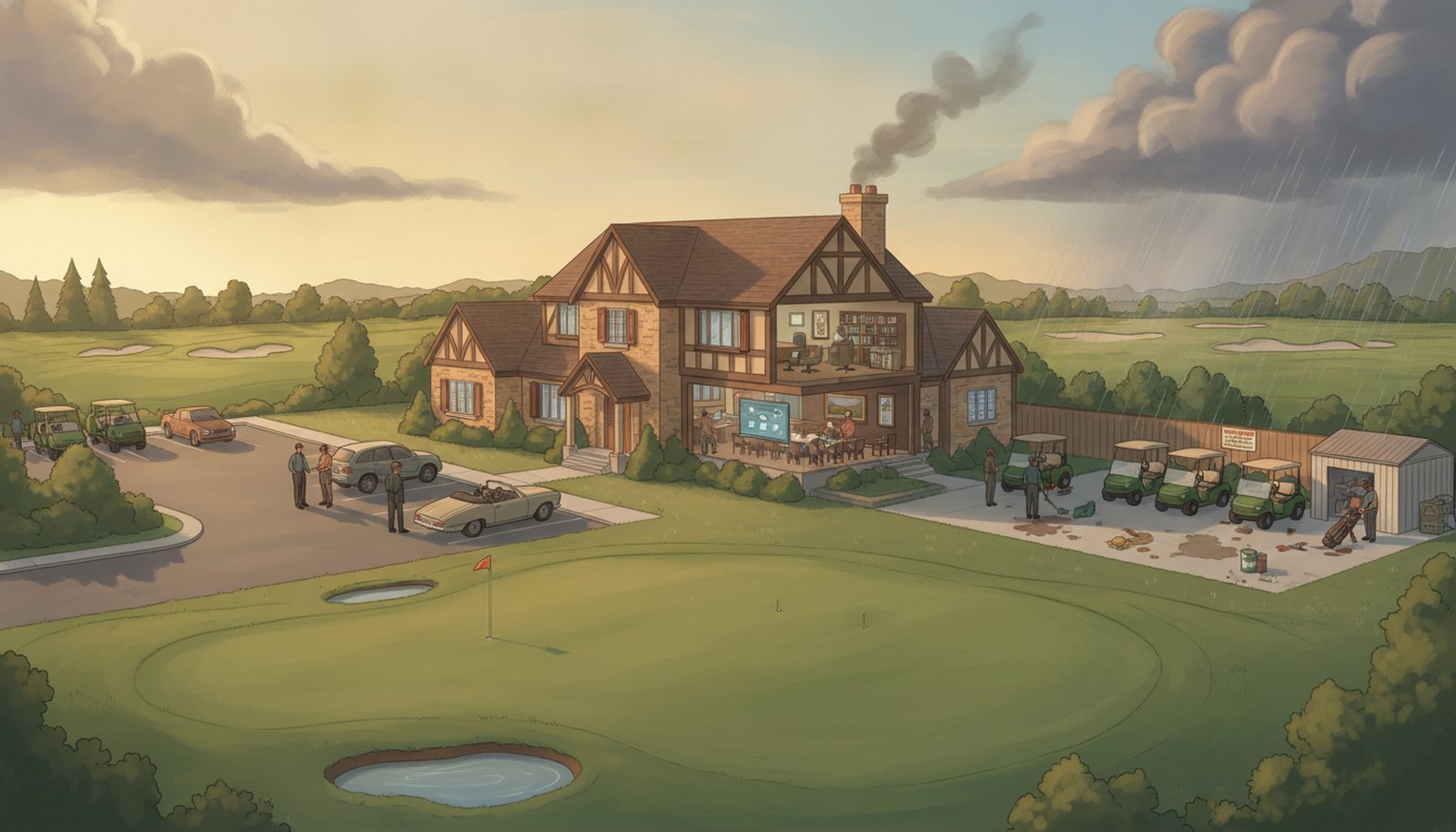
Your golf course faces unique coverage challenges that standard policies often miss.
From playing surfaces to cyber threats, Bittick helps you protect every corner of your operation.
What this coverage includes
Commercial Property and Turf Coverage
Your clubhouse, pro shop, maintenance buildings, cart storage, and the playing surfaces themselves all need property coverage. Turf is the piece most operators underestimate: tees, greens, and fairways are vulnerable to storm damage, vandalism, freeze-thaw heaving (a real issue in Idaho's high-desert winters), and disease. A well-structured policy spells out coverage for "all playing surfaces" without a per-hole cap, with limits high enough to fund full restoration. Bittick will push carriers on that language before you sign.
General Liability and Liquor Liability
General liability covers third-party bodily injury and property damage claims: a guest struck by an errant shot, a spectator who trips on an uneven cart path, or a ball that sails into a parking lot and dents someone's truck. If your course serves alcohol at the clubhouse, a turn shelter, or during event outings, you also need liquor liability coverage. That's a separate coverage line that responds to claims tied to an intoxicated guest, including property damage or physical altercations after they leave your premises.
Inland Marine for Carts and Maintenance Equipment
Inland marine insurance covers equipment that moves around, which describes a golf course's entire fleet. Golf carts, fairway mowers, aerators, spray rigs, and utility vehicles are all exposed to collision on uneven terrain, theft, fire, and vandalism. Replacement cost coverage on this equipment matters because actual cash value payouts factor in depreciation, and a five-year-old fleet of carts depreciates fast. Getting replacement cost means a covered loss replaces what you lost, not what the adjuster thinks it was worth last year.
Business Interruption and Loss of Income
If a storm takes down a tree onto your clubhouse, or a flood renders the course unplayable for three weeks, the direct repair cost is only part of the financial hit. Business interruption coverage fills the revenue gap while you're shut down: green fees, membership dues, event deposits, and food and beverage income all count. When you set limits, factor in your busiest season and any contracted events like weddings or tournament outings, because those booked events represent real committed revenue you'd lose.
Environmental, Cyber, and Employment Practices Liability
Turf management depends on herbicides, pesticides, and fertilizers stored on-site. A tank leak or overspray event that reaches a neighboring property or a waterway creates pollution liability that standard general liability policies exclude. A standalone environmental policy addresses those gaps. Separately, any course collecting member payment data, booking software logins, or employee records needs cyber liability coverage for data breach notification costs and regulatory defense. Employment practices liability (EPLI) covers claims from employees around hiring, termination, harassment, and discrimination, claims that are more common than most owners expect.
Pairs well with
Commercial Auto Insurance
Course-owned vehicles used on public roads, including shuttle vans and equipment haulers, need commercial auto coverage. Standard inland marine on your carts does not extend to public road liability.
Learn more ›Workers' Compensation
Groundskeeping and course maintenance carry real injury exposure: equipment operation, chemical handling, and repetitive strain. Workers' comp covers medical costs and lost wages for injured employees and is required by law in Idaho for businesses with one or more employees.
Learn more ›Flood Insurance
Standard commercial property policies exclude flood. Courses with low-lying fairways near rivers or drainage corridors need a standalone flood policy, regardless of whether they sit in a mapped flood zone.
Learn more ›Umbrella / Excess Liability
A serious injury on your property or a multi-claimant event can exhaust primary liability limits fast. A commercial umbrella adds a higher layer of coverage above your general liability, liquor liability, and auto limits.
Learn more ›Directors and Officers Liability
Private clubs and courses governed by a board face D&O exposure around decisions on memberships, financials, and personnel. D&O coverage protects individual board members from claims tied to their governance decisions.
Cyber Liability Insurance
Tee-time booking platforms, point-of-sale systems, and membership portals store payment and personal data. A breach triggers notification obligations and legal costs that cyber liability coverage is built to address.
Learn more ›