Insurance by Industry
Insurance Built for Auto Repair Shops
Repair shops carry risks that standard business policies miss, starting with every customer vehicle sitting in your bay.
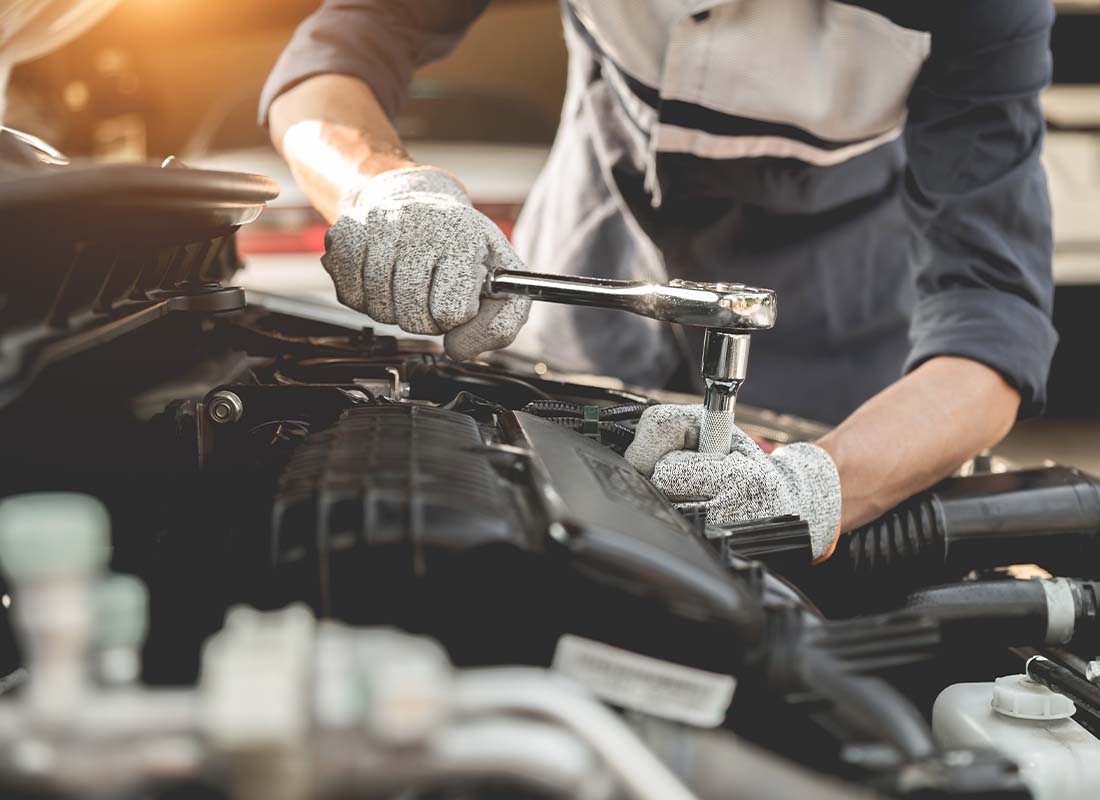
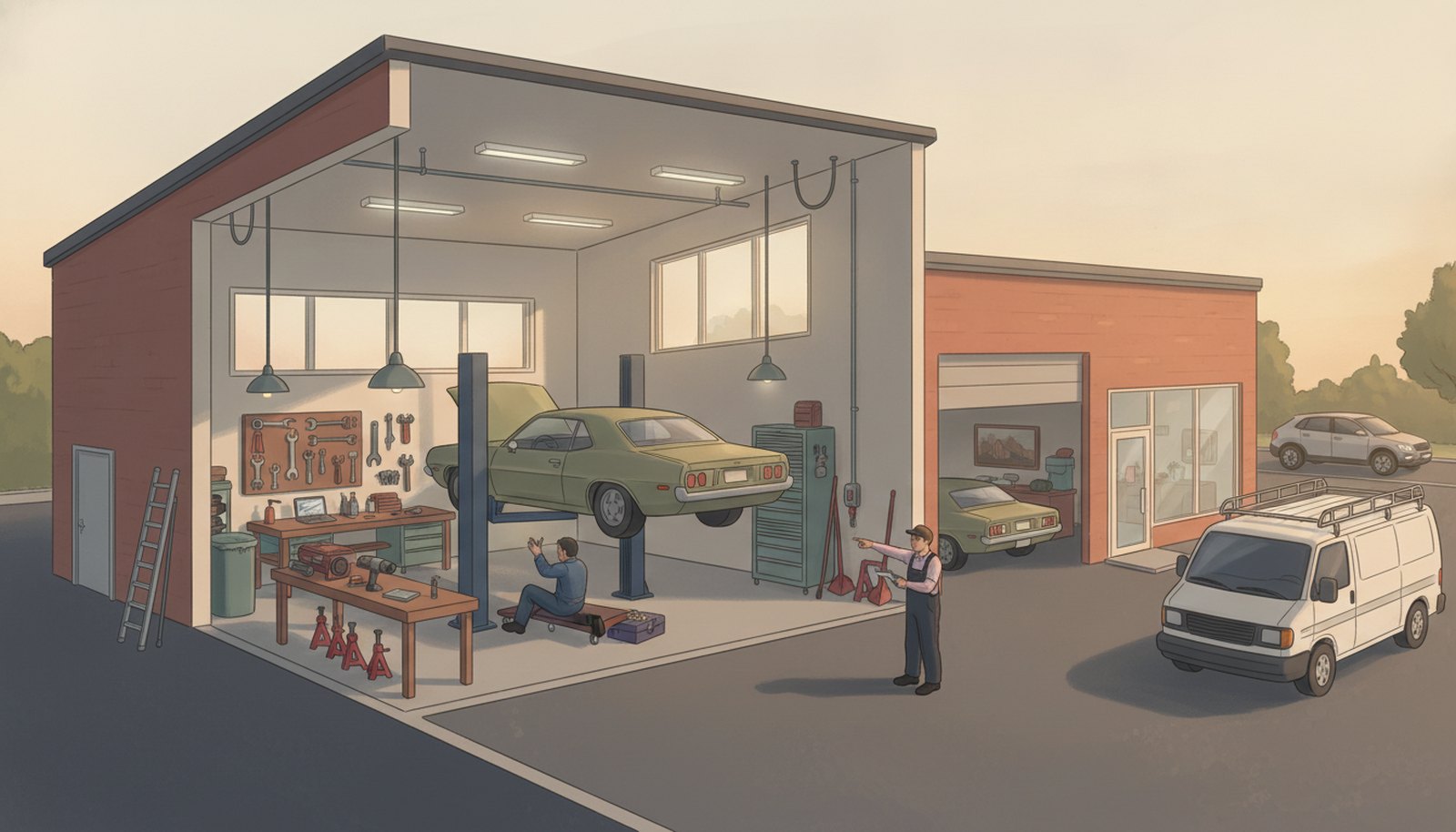
Garage repair shop insurance is a bundle of business coverages designed specifically for shops that take physical possession of customers' vehicles, work on them, and store them on-site. A standard commercial package treats the vehicles you service as invisible; garage-specific policies close that gap. At Bittick Insurance, we work with multiple carriers to assemble the right combination of garagekeepers liability, commercial general liability, property, and specialty coverages for your operation, whether you run a single-bay independent shop off Eagle Road or a multi-lift facility serving the Treasure Valley's growing population.
Your repair shop faces unique risks that demand specialized protection.
From customer vehicles in your care to your own equipment and team, we'll help you build a coverage plan that covers the specific exposures of your garage business.
What this coverage includes
Garagekeepers Liability
Garagekeepers liability coverage protects customers' vehicles while they are under your care, custody, and control. If a car in your lot is hit during a hailstorm, stolen overnight, or damaged in a shop fire, this coverage pays the vehicle owner's loss rather than forcing the claim back onto your general liability policy or your own pocket. It covers physical damage to customer vehicles from most sudden causes, not defective parts or warranty disputes, which fall under a different coverage.
Garage Liability and Commercial General Liability
Garage liability or commercial general liability (CGL) covers bodily injury and property damage claims that arise from your premises and operations. A customer who trips on a floor jack in the waiting area, or a vendor who gets hit by a rolling vehicle in your lot, can trigger a lawsuit that runs into six figures before a verdict. This coverage pays legal defense costs and any covered settlement, regardless of whether the claim has merit. For most shops, this is the policy that keeps the lights on when litigation shows up.
Commercial Property and Business Income
Commercial property coverage protects the physical assets your shop depends on: the building itself if you own it, the lifts, diagnostic equipment, tools, inventory, and furniture inside it. A solvent fire or an electrical fault can destroy all of it in one event. Business income coverage (sometimes called business interruption) pairs with property coverage to replace lost revenue while you are rebuilding. Losing the building is survivable. Losing six months of revenue while customers go to a competitor down the road is the scenario that actually ends shops.
Professional Liability for Faulty Repairs
If a technician misses a brake caliper bolt and the customer's vehicle is involved in a collision days later, your shop can be held responsible for both the repair failure and the accident damages. Professional liability coverage (also called errors and omissions) addresses claims that allege your workmanship caused harm. This is separate from general liability, which covers physical accidents on your premises, not the quality of the work product leaving your bay.
Workers' Compensation
Auto repair is physically demanding work. Technicians work under vehicles, handle caustic fluids, and move heavy components daily. Idaho law requires workers' compensation coverage for most employers, and it pays an injured employee's medical costs and a portion of lost wages without requiring the employee to prove fault. It also shields the business from most employee injury lawsuits. If you operate locations in multiple states, each state has its own rules; coverage must match where the employees actually work.
Pairs well with
Commercial Auto Insurance
If your shop owns or leases vehicles for pickups, deliveries, or road tests, a commercial auto policy covers liability and physical damage for those vehicles. Personal auto policies exclude business use.
Learn more ›Inland Marine / Equipment Floater
Specialized diagnostic tools and shop equipment often move between job sites or are stored in service vehicles. An inland marine or equipment floater policy covers them for theft, fire, collision, and vandalism wherever they are, not just inside the four walls of the shop.
Learn more ›Commercial Umbrella Insurance
Liability verdicts in repair-related cases can climb well above standard policy limits. A commercial umbrella extends limits across your general liability, auto, and other covered policies, typically starting at $1 million and going much higher.
Learn more ›Commercial Property Insurance
If property coverage isn't already bundled into your garage package, a standalone commercial property policy covers the building, contents, and equipment against fire, theft, vandalism, and most weather events.
Learn more ›Employment Practices Liability Insurance
Shops with multiple employees face claims of wrongful termination, discrimination, or harassment. EPLI covers defense costs and settlements for those employment-related disputes, which general liability does not touch.