
Business Insurance
One Policy to Cover Every Vehicle in Your Fleet
Fleet insurance keeps your business vehicles, your drivers, and your bottom line protected under a single, manageable policy.
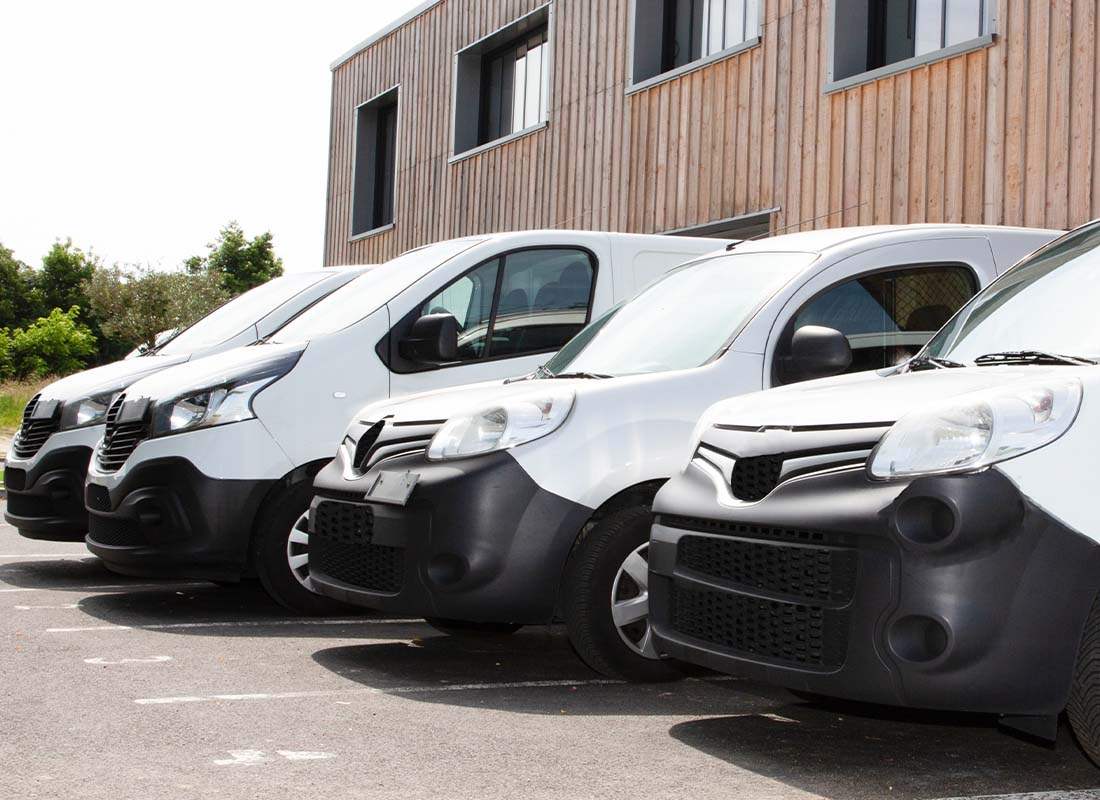
Fleet insurance is a commercial auto policy that covers multiple company-owned vehicles together, rather than insuring each one separately. For a business running two service vans and a pickup, or a contractor moving crews across job sites from Nampa to Caldwell, a single fleet policy simplifies billing, makes adding vehicles straightforward, and typically costs less per vehicle than stacking individual policies. It covers both the physical vehicles and the liability your business faces when an employee is behind the wheel. Bittick shops fleet coverage across multiple carriers to find the structure that fits how your operation actually runs.
What this coverage includes
Liability when a driver causes damage
If an employee driving a company vehicle injures someone or damages property, your business is on the hook financially. Fleet insurance includes business auto liability coverage that pays for the other party's injuries or property damage up to your policy limits. This is the coverage that keeps a fender-bender on I-84 from turning into a lawsuit that threatens your company's assets. Most carriers require a minimum level of liability, but Idaho's minimums are a floor, not a recommendation, and we'll walk you through what adequate limits actually look like for your operation.
Physical damage to your vehicles
Collision coverage pays to repair or replace a company vehicle after an accident, regardless of fault. Comprehensive coverage handles losses that aren't collisions: theft, hail, fire, or a deer crossing Highway 55 at the wrong moment. Together, these two coverages protect the capital your business has tied up in its vehicles. For fleets carrying specialized equipment or high-value trucks, we look at stated-value or agreed-value options so a total loss doesn't leave you arguing with an adjuster over depreciation.
Uninsured and underinsured motorist protection
Idaho requires all drivers to carry auto liability insurance, but not everyone does. If an uninsured driver hits one of your company vehicles, uninsured motorist coverage picks up costs that the other driver can't pay. Underinsured motorist coverage fills the gap when the at-fault driver's limits aren't high enough to cover your driver's injuries or your vehicle damage. For a business fleet that logs serious daily mileage, these coverages are worth having in the stack.
Any-driver flexibility for your team
A key feature of most fleet policies is any-driver coverage, which lets you authorize employees to drive company vehicles without naming each driver individually on the policy. That matters operationally when crews rotate, when a driver calls in sick and someone else needs to run the truck, or when your roster changes seasonally. We review driver qualification requirements with you upfront so your coverage doesn't have gaps tied to who was behind the wheel that day.
Roadside assistance and commercial umbrella options
Adding roadside assistance to a fleet policy means a driver stuck on a rural road outside Kuna has a direct resource without the call coming back to you to sort out. Commercial umbrella coverage layers above your base liability limits and becomes relevant quickly when a serious accident involves multiple vehicles or injured parties. Both are optional additions worth discussing depending on your fleet size and the distances your vehicles cover.
Pairs well with
General Liability Insurance
Fleet coverage handles vehicle-related liability, but it does not cover bodily injury or property damage that happens away from your vehicles. General liability fills that gap for on-site accidents, completed work claims, and other third-party exposures.
Learn more ›Commercial Umbrella Insurance
A serious multi-vehicle accident or a fatality can exhaust your fleet policy's base limits fast. A commercial umbrella policy adds a layer of liability coverage above those limits so one bad day doesn't wipe out the business.
Learn more ›Workers Compensation Insurance
If an employee is injured in a vehicle accident while on the clock, workers compensation covers their medical costs and lost wages. Fleet insurance covers the vehicle and third parties; workers comp covers your employee.
Learn more ›Inland Marine Insurance
Inland marine covers tools, equipment, and materials in transit on or in your vehicles. If your trucks carry expensive gear to job sites, that cargo isn't automatically covered under a standard fleet policy.
Learn more ›Commercial Property Insurance
Vehicles that are parked, stored, or garaged at your business location benefit from fleet coverage, but your building, equipment, and inventory at that location need separate commercial property coverage.
Learn more ›What this coverage protects against
Common risks and how this coverage addresses them. Tap any scenario to expand.
-
Driver causes an accident on the way to a client site.
The risk
A sales rep is heading to a client meeting in Boise when she runs a red light and clips another car. The other driver is injured and the vehicle is damaged. Your business owns the car she was driving.
How this coverage helps
Fleet liability coverage pays for the injured driver's medical bills and vehicle repairs, up to your policy limits. Without it, those costs come out of your business directly, and so does the lawsuit if costs exceed what the other driver carries.
-
A work truck is stolen from an overnight parking lot.
The risk
One of your service trucks is parked at a Meridian commercial lot overnight with tools in the bed. By morning it is gone. The truck itself is a significant capital asset, and replacing it immediately is not in the budget.
How this coverage helps
Comprehensive coverage on your fleet policy pays to replace or reimburse the vehicle's value. Paired with inland marine coverage for the tools, you recover both the truck and the gear without a cash-flow crisis.
-
Hail season hammers vehicles parked at your yard.
The risk
A fast-moving hail storm rolls through the Treasure Valley and catches four of your trucks sitting unprotected at your Caldwell yard. The hoods, roofs, and windshields take a beating across the entire fleet in under twenty minutes.
How this coverage helps
Comprehensive coverage applies to weather damage across all the vehicles on the policy. Rather than filing separate claims or self-funding repairs, you work through a single fleet policy and get all four trucks back into service.
-
A temp employee gets behind the wheel and has a fender-bender.
The risk
You brought on a seasonal driver to cover a busy stretch. He was not individually listed on your old individual vehicle policies. On his third day, he clips a parked car in a parking lot while making a delivery.
How this coverage helps
An any-driver fleet policy covers authorized employees without requiring you to name each one individually. As long as he was authorized to drive and meets your carrier's driver guidelines, the policy responds to the damage.
-
An uninsured driver totals a company SUV.
The risk
One of your managers is T-boned at an Eagle intersection by a driver who carries no insurance. The SUV is totaled and your manager has injuries requiring medical attention. The other driver cannot pay.
How this coverage helps
Uninsured motorist coverage on your fleet policy steps in to cover your vehicle damage and your manager's injuries. Without it, you would be absorbing both losses because the at-fault driver has nothing to pay.
-
You add three new vehicles mid-policy year.
The risk
Your business lands a large contract and needs to expand the fleet quickly. You purchase two more vans and a pickup truck in the same month. Managing three new individual policies on top of your existing ones is operationally painful.
How this coverage helps
With a fleet policy in place, adding new vehicles is a straightforward call to Bittick. We contact the carrier, add the vehicles to the existing policy, and adjust your premium accordingly. No new underwriting process from scratch.
-
Employee's accident costs exceed your base liability limits.
The risk
A driver for your landscaping company is involved in a multi-vehicle accident on I-84 that injures three people. Medical bills and legal claims total well above your standard fleet liability limit. The plaintiffs are pursuing your business.
How this coverage helps
A commercial umbrella policy provides coverage above and beyond what your fleet policy pays. The umbrella absorbs the excess, protecting your business assets from a judgment that would otherwise come directly from your balance sheet.