Insurance by Industry
Insurance Built for Drywall Contractors
From new-construction finishing in Meridian to remodel tearouts in older Boise homes, drywall work carries real exposure that general business policies often miss.
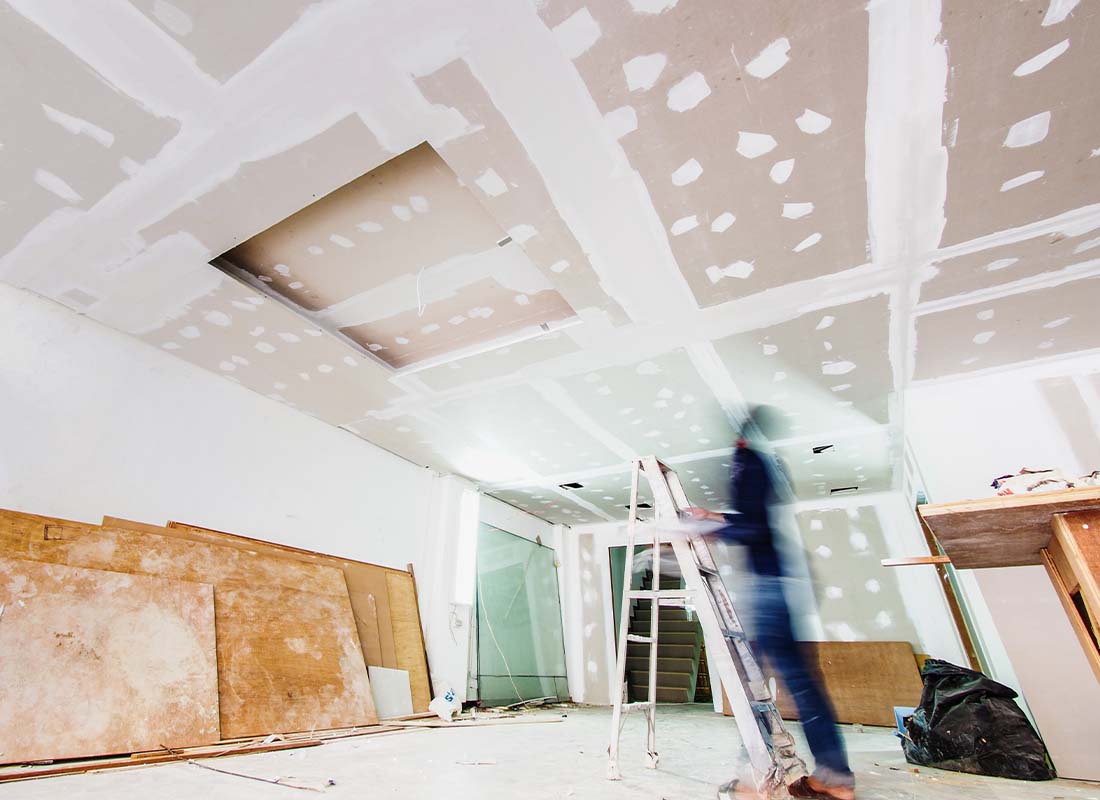
Drywall contractor insurance is a package of commercial coverages designed to protect finishing and drywall businesses from the liability, property, and workforce risks that come with the trade. General liability is the foundation, covering third-party bodily injury and property damage that can happen on any job site. But most drywall operations also need commercial auto, workers' compensation, and, depending on the work, environmental impairment coverage. Bittick shops those coverages across multiple carriers and places the combination that fits your operation, not a one-size policy.
What this coverage includes
General liability for on-site damage and injury
General liability insurance covers third-party claims: a client's hardwood floor gouged by a drywall panel, a subcontractor who trips over your mud bucket, a homeowner who alleges your crew damaged a load-bearing wall. The policy pays defense costs and covered settlements up to your limit. For drywall contractors working occupied homes or active commercial spaces, this coverage is non-negotiable. Most general contractors will require a certificate of insurance before you set foot on the site.
Environmental impairment liability for remodel and demolition work
Environmental impairment liability, sometimes called pollution liability, addresses a risk that's easy to underestimate in drywall work: the walls you're cutting into. Pre-1980 construction throughout the Treasure Valley and older neighborhoods in Nampa and Caldwell can contain asbestos in joint compound and lead paint on framing. Disturbing those materials without proper containment creates remediation costs and bodily injury exposure. This coverage pays for cleanup, third-party health claims, and related legal costs that a standard general liability policy explicitly excludes.
Commercial auto for your trucks and vans
Your crews drive loaded trucks every day, hauling lifts, compressors, and sheet goods across I-84 and through residential neighborhoods. A personal auto policy will not respond to an at-fault accident that happens during a work run. Commercial auto insurance covers liability for bodily injury and property damage your vehicle causes, and you can add physical damage coverage for the truck itself. If you lease or finance vehicles, physical damage coverage is typically required by the lender.
Workers' compensation for your crew
Drywall finishing is physically demanding: overhead work, heavy panels, stilts on uneven subfloor, and repetitive motion that adds up over a career. Idaho requires workers' compensation for nearly all employers with one or more employees. Texas has a different structure, but most general contractors require coverage regardless. Workers' comp pays for medical treatment and a portion of lost wages when an employee is hurt on the job, and it limits your exposure to lawsuits from injured workers.
Crime and employee dishonesty coverage
Your employees work inside clients' homes and businesses, often without direct supervision. Crime insurance covers theft, vandalism, and fraud directed at your company. Employee dishonesty coverage specifically addresses losses caused by your own workers: stolen tools and materials, or embezzlement by someone handling your billing. For a trade business where tools and supplies move in and out of multiple sites daily, these policies close a gap that neither general liability nor a commercial property policy covers.
Pairs well with
Commercial Property Insurance
Covers your shop, storage unit, and business personal property, including tools and equipment at a fixed location. Pairs with inland marine for gear that moves between job sites.
Learn more ›Inland Marine (Tools and Equipment)
Standard commercial property policies stop at your business premises. Inland marine extends coverage to your tools, compressors, and lifts while they're in transit or sitting on a job site.
Learn more ›Umbrella / Excess Liability
A serious injury or major property damage claim can exceed a standard general liability limit quickly. A commercial umbrella policy layers additional limits on top of your underlying policies at a relatively low cost.
Learn more ›Employment Practices Liability Insurance (EPLI)
EPLI covers defense costs and settlements for claims of discrimination, harassment, or wrongful termination. As your crew grows, this exposure grows with it.
Learn more ›Cyber Liability Insurance
If you use estimating software, store client contracts digitally, or process payments online, a data breach or ransomware attack can disrupt your business. Cyber liability covers notification costs, lost income, and recovery expenses.
Learn more ›What this coverage protects against
Common risks and how this coverage addresses them. Tap any scenario to expand.
-
A panel lift damages a finished ceiling on a commercial build.
The risk
Your crew is boarding a commercial tenant improvement in a Meridian office park when a drywall lift tips and punches through an already-finished ceiling in an adjacent suite. The property manager calls for full restoration and documents $18,000 in damage.
How this coverage helps
Your general liability policy covers the third-party property damage claim, including the cost to match the existing texture and repaint. Bittick helps you report the claim promptly to the right carrier so you stay on schedule with the GC.
-
Old joint compound tests positive for asbestos during a Boise remodel.
The risk
A homeowner in the North End wants a complete interior remodel of a 1958 house. Mid-demo, your crew cuts into walls and the dust sends up a red flag. Testing confirms asbestos in the original joint compound. Work stops, and containment and remediation costs mount fast.
How this coverage helps
Environmental impairment liability coverage picks up the remediation costs and addresses any bodily injury claims from workers or the homeowner who may have been exposed. Without this coverage, those costs land entirely on you.
-
Your driver causes a rear-end collision on the way to a job.
The risk
One of your finishers is hauling a load of drywall screws and compound to a subdivision in Star when traffic backs up on Highway 16. He clips the SUV in front of him. The other driver claims neck injuries and the vehicle sustains significant rear-end damage.
How this coverage helps
Your commercial auto policy covers both the property damage to the other vehicle and the bodily injury claim. A personal auto policy would have denied the claim the moment the adjuster confirmed the truck was on a work run.
-
A stilt fall puts your lead finisher in the hospital.
The risk
Your most experienced finisher takes a bad step on an uneven floor in a new construction home in Kuna and falls from stilts, fracturing his wrist and ankle. He faces weeks of recovery and physical therapy, and he is the sole income earner in his household.
How this coverage helps
Workers' compensation pays his medical bills and a portion of his lost wages during recovery. Idaho requires this coverage for a reason: medical costs for orthopedic injuries add up fast, and covering them out of pocket would be financially devastating for most small contractors.
-
Tools go missing from an unlocked jobsite over a long weekend.
The risk
A new construction community in Caldwell runs on a loose site-security schedule. Over a holiday weekend, someone enters through an unsecured door and walks off with two cordless tool kits, a compressor, and a commercial sander. Total replacement value: over $6,000.
How this coverage helps
A tools-and-equipment inland marine policy covers the stolen gear whether it was on the job site or in your truck. Commercial property coverage alone would not have responded because the loss happened away from your business premises.
-
A client alleges your drywall work allowed moisture intrusion behind finished walls.
The risk
Months after you complete a bathroom remodel in a Boise foothills home, the homeowner discovers mold growing behind the tile. They claim the drywall was installed improperly and failed to stop moisture from a slow plumbing leak, and they want you to pay for remediation.
How this coverage helps
General liability covers third-party property damage claims, including the legal costs to defend you if the homeowner files suit. Your insurer assigns a defense attorney and handles negotiations, keeping you out of a courtroom battle that could cost far more than the original job.
-
A former employee files a discrimination complaint.
The risk
You let a seasonal finisher go at the end of a slow quarter. A few weeks later, you receive a letter from an attorney alleging the termination was discriminatory. Even if the claim has no merit, responding to it requires legal representation from day one.
How this coverage helps
Employment practices liability insurance covers your defense costs and any covered settlement. EPLI does not require the claim to be valid to respond; it pays for your defense regardless of outcome, up to the policy limit.