Insurance by Industry
Cannabis and Dispensary Insurance for Idaho Operators
Standard business policies routinely exclude cannabis operations, so your coverage has to be purpose-built from the start.
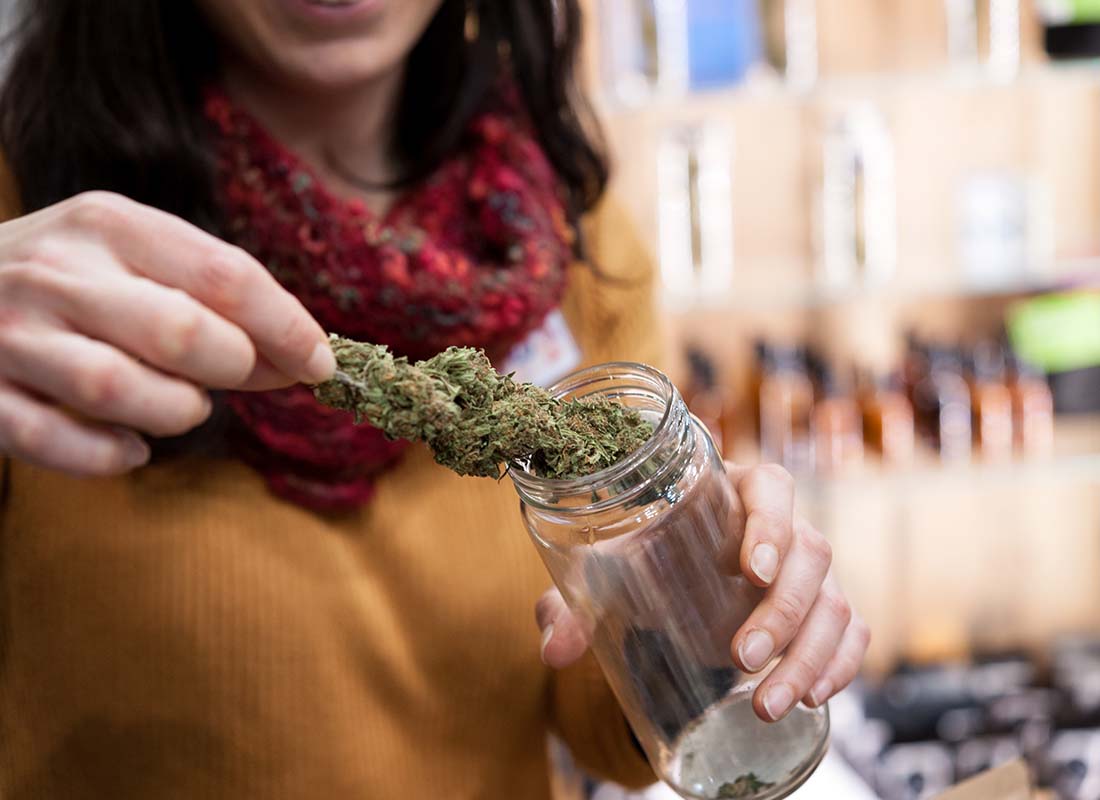
Cannabis business insurance is a specialized category of commercial coverage designed for cultivators, dispensaries, processors, distributors, and labs that standard commercial policies explicitly exclude or leave severely underinsured. Because Idaho's legal landscape differs from states like Oregon, Nevada, and Colorado where Bittick also places coverage, operators in the Treasure Valley area and elsewhere need a broker who knows exactly which carriers write this class of business and what each policy actually covers. Bittick is an independent agency, so we shop multiple carriers and place the policy that fits your specific license type, revenue model, and state-law requirements — we don't underwrite anything ourselves.
What this coverage includes
Crop and plant coverage
From clones in a propagation room to mature plants in a controlled grow facility, your crop is your most valuable asset before it ever reaches the sales floor. Crop coverage protects the plants themselves against named perils — fire, equipment breakdown that kills your climate control, and similar losses. Policies vary widely on which growth stages are covered and whether coverage follows the plant through harvest and processing, so the details matter more here than in almost any other commercial line.
Product liability
Product liability coverage responds when a customer or patient claims your product caused them harm — a contamination complaint, a mislabeled potency issue, or an adverse reaction. Cannabis product liability is its own specialty within this market; not every carrier that writes general liability will also write product liability for ingestibles or concentrate products. Bittick identifies policies that cover your specific product forms, whether that's flower, edibles, tinctures, or topicals.
Property and equipment
HVAC systems, lighting rigs, extraction equipment, point-of-sale systems, and vault hardware represent significant capital investment. Commercial property coverage for cannabis operations protects your building (if you own it) or your business personal property (if you lease) against fire, vandalism, and other covered perils. Given the high-value equipment in processing and extraction, make sure your policy limit reflects current replacement cost, not a generic square-footage estimate.
Theft and robbery coverage
Cannabis businesses operate in a largely cash-heavy environment, which makes them targets. Theft coverage addresses burglary of the facility itself, while robbery coverage responds to incidents involving force during business hours. Some policies also cover employee dishonesty and cash-in-transit scenarios. Carriers typically require specific security standards — monitored alarms, reinforced storage, camera systems — as a condition of coverage, so verify that your facility meets the carrier's requirements before binding.
Business income and regulatory compliance
A fire or equipment failure that shuts down your facility doesn't stop your rent, payroll, or licensing fees. Business income coverage replaces the revenue you lose during a covered shutdown. Additionally, most cannabis policies require that you remain in compliance with all applicable state and local licensing rules as a condition of coverage. If you're operating under a medical cannabis license, the policy conditions may differ from those written for adult-use recreational operations, and your broker needs to account for that difference at placement.
Pairs well with
General Liability Insurance
Covers bodily injury and property damage claims from visitors, vendors, or third parties on your premises. Every cannabis business that receives foot traffic or deliveries needs this as a foundation.
Learn more ›Commercial Property Insurance
Protects your building, equipment, and inventory against fire, theft, vandalism, and other covered perils. Cannabis operations often have equipment values that far exceed what a generic commercial property policy assumes.
Learn more ›Commercial Auto Insurance
If your business transports product between grow facilities, processing sites, or distribution points, personal auto policies won't respond. Commercial auto covers your vehicles and the liability that comes with transporting cannabis inventory.
Learn more ›Workers Compensation Insurance
Required in Idaho for most employers. Cultivation and processing environments carry genuine physical risks — repetitive motion, chemical exposure in extraction, and equipment injuries — that make workers comp essential.
Learn more ›Cyber Liability Insurance
Dispensaries collect sensitive customer purchase data and often store medical patient records. A breach of that data can trigger regulatory penalties and customer claims that a standard property policy won't touch.
Learn more ›What this coverage protects against
Common risks and how this coverage addresses them. Tap any scenario to expand.
-
Climate control failure destroys a full grow cycle.
The risk
A chiller unit fails over a weekend at a licensed indoor cultivation facility. By Monday morning, temperature and humidity levels have spiked beyond plant tolerance, and an entire crop cycle is lost. The raw material loss runs into tens of thousands of dollars, and the revenue from that harvest won't arrive.
How this coverage helps
Crop coverage written for cannabis operations can respond to equipment-breakdown losses that kill a growing cycle. A well-structured policy covers the value of the plants at their stage of growth, and business income coverage can address the revenue gap while the facility restarts production.
-
A customer files a product liability claim after an adverse reaction.
The risk
A dispensary customer purchases an edible product and later claims a serious adverse reaction, alleging the potency was misrepresented on the label. Their attorney sends a demand letter. Defending the claim alone — before any settlement — can cost the business significantly.
How this coverage helps
Product liability coverage specifically written for cannabis ingestibles responds to defense costs and potential settlements. This is a distinct coverage line from general liability; a broker placing this coverage needs to confirm the carrier will cover the specific product form involved, not just the retail premises.
-
Burglars breach the dispensary vault after hours.
The risk
A retail dispensary is broken into overnight. The thieves defeat a door and reach the cash vault and an inventory storage room before the alarm brings a response. Both cash and finished product inventory are taken.
How this coverage helps
Theft coverage on a cannabis commercial property policy addresses the inventory loss, while a separate crime coverage endorsement can address cash-in-vault losses. Carriers require documented security measures — camera footage, alarm logs, vault certification — to process these claims, so keeping that documentation current is part of managing this coverage correctly.
-
Product is damaged in transit between the processor and the distributor.
The risk
A licensed transporter is moving finished product from a processing facility to a licensed distributor when a collision damages the cargo. The product is unsalable. Neither the transporter's personal auto policy nor a standard commercial auto policy covers cannabis cargo.
How this coverage helps
Inland marine coverage — coverage that travels with goods in transit — fills this gap for licensed cannabis businesses. When Bittick places coverage for an operation that moves product between facilities, we verify that in-transit inventory is covered and that the policy language matches the actual license structure of all parties in the chain.
-
A vendor slips and falls in the facility's receiving area.
The risk
A delivery driver wheels a pallet of supplies into a cultivator's receiving dock. The floor is wet from a cleaning cycle that wasn't fully dried. The driver falls, sustains a wrist injury, and files a claim against the facility.
How this coverage helps
General liability coverage responds to third-party bodily injury claims like this one. Because cannabis businesses often have difficulty securing general liability from standard commercial carriers, Bittick places this coverage with carriers that specifically write the cannabis class, ensuring the policy won't deny a claim on the grounds that the business operates in a cannabis facility.
-
A regulatory suspension forces a temporary closure.
The risk
A cannabis retailer receives a notice of temporary license suspension while a state agency investigates a compliance question. The business cannot legally operate during the review period, which stretches several weeks. Fixed costs — rent, payroll, utilities — continue while revenue stops.
How this coverage helps
Business income coverage can offset the revenue loss during a covered suspension. Policy terms vary on what triggers the coverage, and not all cannabis policies treat regulatory shutdowns the same way. Reviewing that language at placement is something Bittick specifically flags for cannabis clients so there are no surprises at claim time.
-
An employee steals from the dispensary over several months.
The risk
A dispensary manager has been skimming cash from daily deposits over an extended period. When an audit surfaces the discrepancy, the total theft is substantial. Standard property coverage doesn't address employee dishonesty.
How this coverage helps
A crime coverage endorsement that includes employee dishonesty protection covers losses caused by internal theft. For cannabis businesses where cash handling is the norm, this is a coverage line worth including from the first policy term rather than discovering its absence after a loss.