Insurance by Industry
Insurance Built for Campsite and RV Park Owners
From waterfront amenities to equipment rentals, your campsite carries risks that standard business policies often miss.
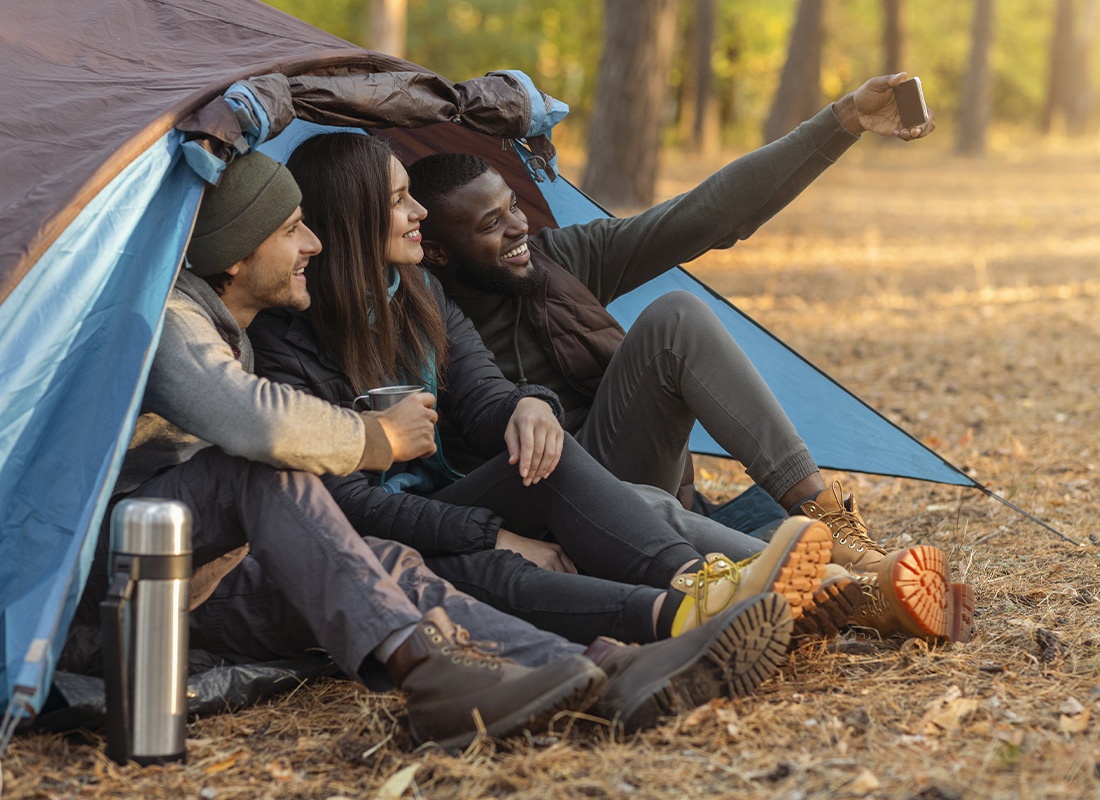
Campsite insurance is a package of commercial coverages designed for campgrounds, RV parks, and outdoor recreation businesses — addressing the property, liability, and operational risks that come with hosting guests in an outdoor setting. No two sites are alike: a Treasure Valley RV park along the Snake River drainage has different exposures than a wooded campground in the Hill Country north of San Antonio. What they share is the need for coverage that accounts for the specific amenities, activities, and hazards on the property. Bittick is an independent agency, so we shop your account across multiple carriers and build a program around what your site actually offers, not a generic template.
What this coverage includes
General liability for guest injuries and property damage
General liability insurance pays for legal defense costs, settlements, and judgments if a guest is injured on your property or if your operation damages someone's property. A child trips over a tent stake in a poorly lit loop, a guest's truck gets clipped by your staff vehicle during check-in — these situations can produce claims quickly. General liability is the foundation of any campsite program, but it has limits, and most campsite owners need additional layers on top of it.
Commercial property for your buildings, equipment, and infrastructure
Commercial property coverage protects your physical assets: office buildings, bathhouses, pavilions, storage structures, utility hookups, signage, landscaping equipment, and tools. In Idaho, freeze-thaw cycles and wildfire smoke seasons can stress infrastructure in ways that accelerate wear and trigger claims. The right property form specifies replacement cost rather than actual cash value, so a damaged bathhouse gets rebuilt to current code rather than depreciated down to a fraction of its value.
Pollution liability for fuel spills and waste issues
Campgrounds and RV parks handle fuel regularly — dump stations, generator hookups, underground storage tanks, and vehicles on-site all create spill exposure. Standard general liability policies typically exclude pollution events. A separate pollution liability policy covers cleanup costs, third-party bodily injury, and property damage if a fuel leak or waste discharge creates a problem on or off your property. This is one coverage campsite owners frequently discover they need only after a claim is denied.
Liquor liability when alcohol is part of the experience
If your campsite sells beer at a camp store, operates a bar pavilion, or allows BYOB events, you carry dram shop exposure in most states. Liquor liability coverage applies when a guest who was served or sold alcohol causes injury or property damage. Idaho has dram shop statutes, and Texas has its own. The specific trigger varies by state, which is why it matters that your agent understands where your property sits and what your state's law actually says.
Business interruption coverage for revenue lost during a shutdown
Business interruption insurance replaces income you lose when a covered event forces you to close or significantly reduce operations. A wildfire evacuation order, a severe flood that wipes out your loop roads, or a structure fire at the main lodge can shut down your season at its peak. This coverage bridges the gap between the date of loss and the date you can realistically reopen, including ongoing fixed expenses like loan payments and insurance premiums.
Pairs well with
Commercial Auto Insurance
If your staff drives golf carts, utility vehicles, or trucks on or between properties, commercial auto covers those vehicles for liability and physical damage. Personal auto policies exclude business use.
Learn more ›Workers' Compensation Insurance
Groundskeepers, front-desk staff, and maintenance crews face real physical risks. Workers' comp covers medical costs and lost wages when an employee is hurt on the job, and it is required by law for most Idaho employers with one or more employees.
Learn more ›Cyber Liability Insurance
Online reservation systems and stored payment card data create data breach exposure. Cyber liability covers notification costs, regulatory fines, and fraud response if guest data is compromised.
Learn more ›Employment Practices Liability Insurance
Seasonal hiring cycles and high employee turnover increase the likelihood of wage disputes, discrimination claims, or wrongful termination allegations. EPLI covers legal defense and settlements for these employment-related claims.
Learn more ›Umbrella / Excess Liability Insurance
A serious guest injury or multi-party incident can exhaust your underlying liability limits fast. A commercial umbrella policy adds another layer of coverage above your general liability, auto, and employers liability limits.
Learn more ›What this coverage protects against
Common risks and how this coverage addresses them. Tap any scenario to expand.
-
A guest breaks an arm on your rope swing over the pond.
The risk
You installed a rope swing above a small pond as a guest amenity. A teenager miscalculates, lands wrong, and fractures his arm. His family files a liability claim against your business for medical expenses and pain and suffering.
How this coverage helps
Your general liability policy covers the legal defense costs and, if the claim settles, the settlement amount up to your policy limit. Without it, your business pays those costs directly out of operating funds.
-
An RV's propane tank leaks, igniting a neighboring unit.
The risk
A guest's propane connection was loose. Gas accumulated overnight, and an ignition source set off a fire that spread to two adjacent RV units before staff could respond. The guests in those units suffered property losses and one minor burn injury.
How this coverage helps
Your general liability and commercial property coverages work in tandem here: liability responds to the injured guest's claim, and property coverage addresses damage to any site infrastructure your business owns. A strong policy also provides legal defense if the RV owners sue the campsite for inadequate hookup safety protocols.
-
A wildfire evacuation order shuts down your campsite for five weeks.
The risk
Wildfire smoke and an approaching fire line trigger a county evacuation order in early July, your highest-revenue month. You refund deposits, send staff home, and watch five weeks of income evaporate while your fixed costs continue.
How this coverage helps
Business interruption coverage replaces the net income you would have earned during the shutdown period and helps cover ongoing fixed expenses like your mortgage, insurance, and utilities. The policy runs from the date of the covered event until you are able to reopen.
-
A fuel drip from a storage tank reaches the neighboring property's groundwater.
The risk
An aging underground fuel tank at your camp store has a slow leak. By the time it is detected, petroleum has migrated into the soil and is approaching a neighboring property. Cleanup is ordered by the state environmental agency, and the neighbor files a claim for contamination of their well.
How this coverage helps
A pollution liability policy covers the remediation costs, the third-party property damage claim from the neighbor, and the legal defense if the matter escalates. Standard general liability would likely deny this claim under a pollution exclusion.
-
A guest who drank at your pavilion bar causes an accident leaving the property.
The risk
Your campsite hosts a Friday evening concert with a licensed bar. A guest has several drinks, drives out, and rear-ends another vehicle on the county road outside your entrance. The other driver's attorney names your business in the lawsuit under your state's dram shop statute.
How this coverage helps
Liquor liability coverage defends your business and covers damages up to your policy limit if you are found liable under dram shop law. This coverage sits outside your general liability policy and must be added separately.
-
A data breach exposes the payment card data of hundreds of guests.
The risk
Your online reservation platform is targeted by a credential-stuffing attack. Guest payment card numbers and contact information are exfiltrated. You are legally required to notify affected guests and face potential regulatory scrutiny.
How this coverage helps
Cyber liability insurance covers breach notification costs, credit monitoring services for affected guests, regulatory defense fees, and public relations expenses to manage reputational fallout. This is coverage your general liability and property policies do not provide.
-
A seasonal employee is injured using a commercial mower.
The risk
A summer grounds crew member strikes a hidden rock with a commercial mower, which kicks back and causes a leg laceration requiring surgery and several weeks of recovery. The employee cannot return to work for the rest of the season.
How this coverage helps
Workers' compensation covers the employee's medical bills and a portion of lost wages during recovery. It also limits your business's direct liability for the injury, since workers' comp is generally the exclusive remedy for on-the-job injuries in Idaho.
-
Hail damages roofing across multiple structures in one afternoon.
The risk
A fast-moving summer storm drops golf ball-sized hail across your property, punching through the shingles on your camp store, equipment shed, and two rental cabins. The damage is widespread enough that the structures cannot be occupied until repaired.
How this coverage helps
Commercial property insurance covers the cost to repair or replace the damaged roofing and any interior damage that results. If the cabin closures reduce your rental income during the repair period, business interruption coverage picks up that lost revenue.