
Insurance by Industry
Aviation Insurance for Idaho Pilots and Operations
From a private hangar near the Boise foothills to a commercial operation at a regional airport, Bittick places coverage that fits how you actually fly.
Aviation insurance is a specialized category of commercial coverage that protects aircraft owners, operators, airports, and hangar businesses against the physical and liability exposures that come with flight operations on the ground and in the air. No two aviation operations share the same risk profile: a flight school at Caldwell Industrial Airport has different exposures than a crop-dusting company working fields in the Snake River Valley, and both differ from a private pilot who keeps a Cessna in a leased T-hangar. Bittick works with carriers that specialize in aviation risks, so we can match the policy structure to your specific operation rather than forcing a generic commercial package onto a use case it was never designed to cover.
Your aviation operation faces unique risks that standard business insurance won't cover.
From liability in the air to cyber threats on the ground, we help you build a complete protection plan.
What this coverage includes
Liability for property damage and bodily injury to the public
If your aircraft damages property or injures someone on the ground, public liability coverage (also called third-party liability) pays for the resulting legal defense costs, settlements, and judgments. This is the aviation equivalent of general liability in a standard commercial policy. Limits matter here because aircraft accidents can produce claims far larger than most ground-level incidents. We help you set limits that reflect the size and location of your operation, not just the state minimum.
Passenger liability for people riding with you
Passenger liability insurance covers occupants of your aircraft who are injured or killed in an accident. Coverage is typically structured on a per-seat basis, with a stated limit for each occupied seat. Liability waivers and hold-harmless agreements provide little legal shelter for pilots, so this coverage is essential whether you are operating a charter service, a flight school, or simply taking friends up for a scenic ride over the Snake River Canyon. The per-seat structure means you can scale limits to the number of seats in your aircraft.
Hull coverage for physical damage to the aircraft
Hull insurance pays to repair or replace your aircraft following physical damage. Policies distinguish between coverage when the aircraft is in motion (taxiing, taking off, flying) and when it is not (parked, tied down, in a hangar). Aircraft are expensive to own and extraordinarily expensive to repair to FAA airworthiness standards, so even minor collision damage during ground operations can generate a substantial bill. Premiums and deductibles vary based on the aircraft's stated or agreed value and how broadly you want the in-motion coverage to apply.
Hangar keepers liability for aircraft in your care
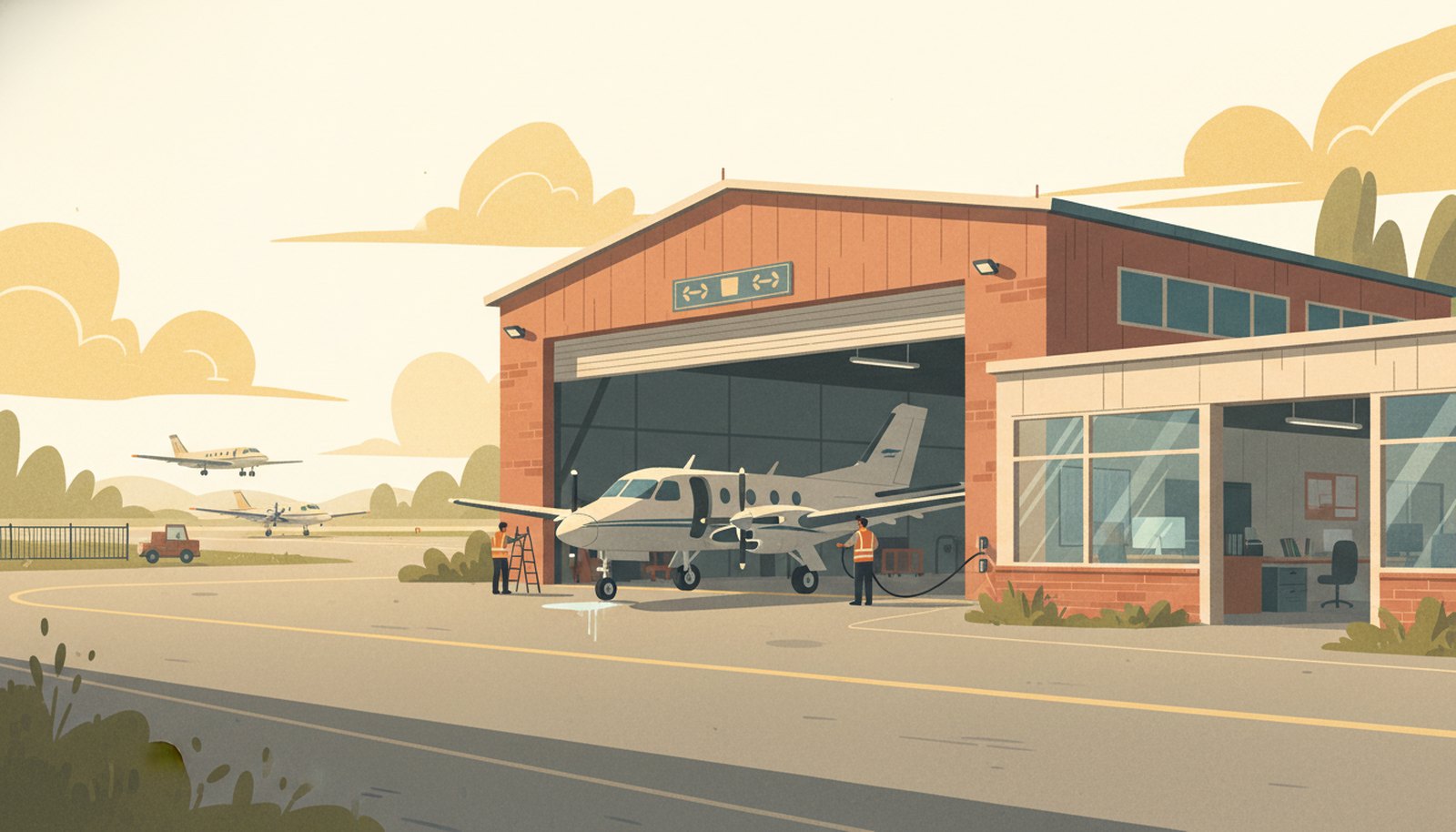
If you own or operate a hangar and store other people's aircraft, hangar keepers liability covers you for damage to those aircraft while they are in your care, custody, or control. It also extends to the hangar structure itself and your tools and ground support equipment. This coverage can stand alone or be incorporated into an airport operator's package policy. An FBO in the Treasure Valley that services, fuels, and stores customer aircraft needs this coverage separately from its own hull and property policies.
Non-owned aircraft liability for renters and borrowers
Non-owned aircraft insurance protects you when you fly an aircraft you do not own, whether you are renting from a flight club, borrowing a friend's plane, or taking instruction in a school aircraft. The aircraft owner's policy may not extend to a non-owner operator, and your personal or commercial policies almost certainly exclude aviation. Non-owned coverage also picks up extra costs like search and rescue coordination and emergency legal expenses that arise specifically from aviation incidents.
Pairs well with
Workers' Compensation
Idaho law requires workers' compensation for any business with employees, and aviation work is among the higher-risk occupations. Placing workers' comp for an operation that employs mechanics, line technicians, and pilots requires a carrier experienced with aviation class codes.
Learn more ›Commercial General Liability
A general liability policy covers bodily injury and property damage that happens on your premises or in your operations but falls outside the aviation-specific policy. Visitor slip-and-falls in a terminal building or FBO office are a common example.
Learn more ›Commercial Umbrella / Excess Liability
Aviation claims can exhaust underlying policy limits quickly. A commercial umbrella adds a higher liability layer, typically two to ten million dollars, sitting above your general liability, workers' comp, and business auto policies.
Learn more ›Cyber Liability
Flight schools, charter operators, and FBOs collect personal and payment data. A cyber liability policy covers the costs of a data breach, including notification expenses, legal defense, and any resulting regulatory fines.
Learn more ›Employment Practices Liability (EPLI)
Discrimination, wrongful termination, and harassment claims can come from any size aviation operation. EPLI covers your business, directors, and officers, and optional third-party endorsements extend coverage to claims made by customers or vendors.
Learn more ›Commercial Auto
Ground vehicles used to tow aircraft, move fuel, or transport crew between facilities need commercial auto coverage. Personal auto policies exclude business use, and aviation operations often have multiple specialty vehicles on the ramp.
Learn more ›