
Insurance by Industry
Insurance Built for Abatement Contractors
From asbestos removal in an older Boise commercial building to mold remediation in a Nampa home, your work carries risks that standard contractor policies don't fully address.
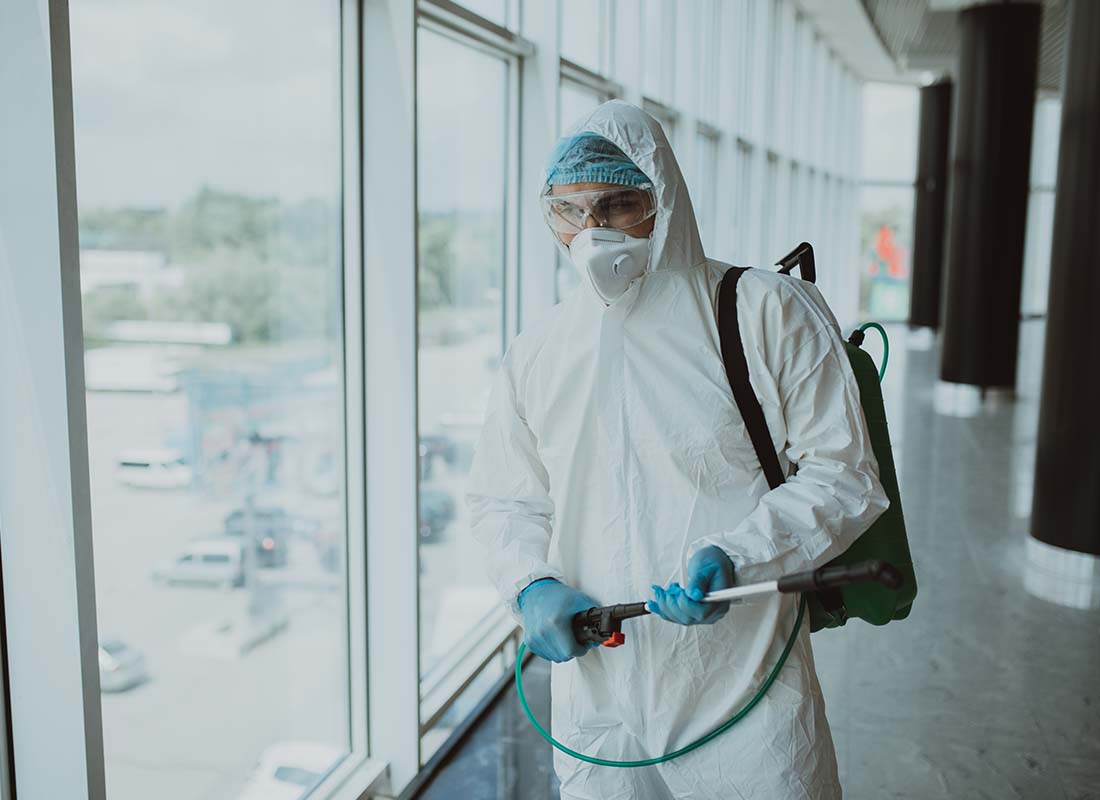
Abatement contractor insurance is a bundle of coverages designed to protect businesses that remove, contain, or dispose of hazardous materials — including asbestos, lead paint, and mold. A general liability policy alone won't cover the pollution-related claims that follow an abatement job gone wrong. You need a policy stack built around the specific materials you handle, the phases of your process, and how you transport and dispose of what you remove. Bittick is an independent agency, so we shop multiple carriers to find coverage that fits your actual operations, not a one-size template.
What this coverage includes
General Liability
General liability covers third-party bodily injury and property damage that happens in connection with your work. If a homeowner trips over equipment staged on their property, or if your crew inadvertently damages a surface during containment setup, this is the coverage that responds. For abatement contractors working inside occupied or partially occupied buildings in the Treasure Valley, that exposure is real on every job.
Contractor Pollution Liability
Contractor pollution liability (CPL) picks up where general liability stops. It covers claims and legal costs tied to pollution conditions caused by your operations — including the transport, storage, and disposal of hazardous materials. If asbestos fibers migrate outside your containment zone, or if a lead-contaminated load is improperly staged during transport, CPL is the coverage designed to handle the resulting cleanup costs and third-party claims. Most project owners and municipalities in Idaho now require it before a contract is awarded.
Errors and Omissions (Professional Liability)
Errors and omissions insurance covers claims that arise from mistakes in your professional services, including pre-abatement testing, clearance testing after removal, and documentation of the work. If a property owner later argues that your post-abatement air quality report missed residual contamination, an E&O policy covers your defense costs and any resulting settlement. Testing errors are a frequent source of litigation in abatement work, and they fall outside both GL and CPL.
Commercial Auto for Hazmat Transport
A personal auto policy or a standard commercial auto policy may not cover a vehicle hauling hazardous waste or abatement debris. If your trucks move bagged asbestos or lead-contaminated material to a licensed disposal facility, you need commercial auto coverage structured for that cargo. The I-84 corridor through the Treasure Valley and the routes south toward the Snake River disposal facilities see heavy contractor traffic — a loss in transit can create both liability and cleanup exposure simultaneously.
Commercial Property
If you store equipment, PPE, containment supplies, or any staged hazardous material at a facility you own or lease, commercial property insurance covers that location against fire, theft, and certain weather events. Given the freeze-thaw cycles that affect storage buildings across the Boise foothills and the valley floor, structural damage to a storage facility is not a remote risk. If a fire or building collapse also releases stored contaminants, the interaction between property and pollution liability coverage matters — which is why having one broker coordinate the whole program makes sense.
Pairs well with
Workers Compensation
Abatement workers face above-average exposure to respiratory and chemical hazards. Workers compensation covers medical treatment and lost wages when an employee is injured or becomes ill on the job — and Idaho law requires it for most employers with one or more employees.
Learn more ›Surety Bonds
Many Idaho public projects and municipal abatement contracts require a contractor license bond or a performance bond before work can begin. Bittick can place the bond alongside your insurance program so both requirements are handled in one conversation.
Learn more ›Umbrella / Excess Liability
A single large pollution claim or multi-party lawsuit can exhaust a standard GL or CPL limit quickly. A commercial umbrella policy sits above your underlying coverages and extends the total limit available without requiring a separate policy for each line.
Learn more ›Inland Marine (Tools and Equipment)
Inland marine coverage protects specialized abatement equipment — HEPA vacuums, negative air machines, industrial dehumidifiers — against theft, accidental damage, and loss while in transit or staged at a jobsite. Standard commercial property policies typically don't cover equipment away from your premises.
Learn more ›What this coverage protects against
Common risks and how this coverage addresses them. Tap any scenario to expand.
-
Asbestos fibers detected outside containment after a school renovation.
The risk
An abatement crew is working inside a 1960s-era school building in Caldwell during a summer renovation window. Despite using negative air pressure, post-removal air sampling in an adjacent hallway shows fiber counts above acceptable limits. The school district notifies the state and threatens legal action.
How this coverage helps
Contractor pollution liability covers the cost of additional remediation, third-party air quality testing, and legal defense if the district files suit. Without CPL, those costs land directly on the contractor's operating account.
-
Pre-abatement bulk sample results come back disputed.
The risk
A commercial property owner hired your company to test and, if necessary, abate suspected asbestos in floor tile throughout a 1970s office building in downtown Boise. Your bulk samples come back negative. The owner proceeds with a full renovation and later discovers the tile did contain chrysotile asbestos. They claim your testing was faulty and file suit.
How this coverage helps
Errors and omissions insurance covers the cost of defending the claim and any judgment or settlement that results. Testing disputes are common enough that E&O coverage should be considered non-optional for any abatement contractor performing sampling services.
-
Transport vehicle involved in a highway accident with hazardous cargo.
The risk
One of your drivers is heading south on Highway 45 toward a licensed disposal facility with a load of lead-contaminated drywall debris when another vehicle cuts across and causes a collision. The bags rupture, debris scatters on the roadway, and IDEQ is on scene within the hour.
How this coverage helps
A commercial auto policy structured for hazmat transport covers vehicle damage and the driver's liability. If the spill triggers a cleanup requirement, the interaction between your auto policy and contractor pollution liability determines who pays for containment and disposal of the scattered debris — another reason to have both coverages placed by the same broker.
-
Mold remediation client claims the problem came back.
The risk
You completed mold remediation in a Star residential property six months ago, provided a clearance report, and closed the job. The homeowner calls with new visible mold growth in the same area and insists your work was incomplete. They want the remediation redone at your expense and are threatening to file a complaint with the contractor licensing board.
How this coverage helps
Depending on the nature of the claim, both E&O coverage and general liability may be relevant. E&O addresses whether your professional services were performed correctly. GL addresses any property damage associated with the return visit. Having both in place means you're not arguing coverage terms while also arguing the merits of the underlying claim.
-
Equipment stolen from an unlocked job trailer overnight.
The risk
Your crew is mid-project on a commercial abatement job in a Meridian industrial park. The job trailer is locked, but a HEPA vacuum unit and two negative air machines staged outside are taken overnight. Replacement cost on the equipment exceeds $15,000, and the job timeline is now at risk.
How this coverage helps
An inland marine policy covers contractor equipment against theft, whether it's at the jobsite, in transit, or temporarily stored off-site. Commercial property policies typically stop at your permanent business address, so equipment that moves with your crews needs a separate coverage line.
-
A subcontractor is hospitalized after chemical exposure during lead abatement.
The risk
A subcontractor you brought onto a large Eagle residential project is hospitalized after inhaling lead dust during removal of deteriorated paint in an enclosed attic space. The subcontractor was not enrolled in your workers compensation plan, and their own coverage is disputed. They file a personal injury suit against your company.
How this coverage helps
General liability covers third-party bodily injury claims, including suits from subcontractors and their employees in many circumstances. Your workers compensation carrier will want to review whether the subcontractor should have been classified as an employee. This is precisely the kind of layered exposure that makes a coordinated insurance program worth building carefully.
-
A fire at your storage facility releases staged abatement waste.
The risk
A small fire breaks out overnight in the storage building attached to your Nampa yard. The fire itself is contained quickly, but bags of abatement debris from several open projects were staged inside. Smoke and water from suppression carry contaminated material outside the structure, onto a neighboring property.
How this coverage helps
Commercial property insurance covers the structure and its contents. If the fire also creates a pollution condition on neighboring land, contractor pollution liability or a separate environmental impairment policy covers the third-party cleanup obligation and any resulting claims from adjacent property owners. These two coverages need to be structured to work together, not gap each other.