
Business Insurance
Protect Your Business Property Before the Loss Happens
Commercial property insurance keeps a fire, theft, or storm from turning a bad day into a business-ending event.
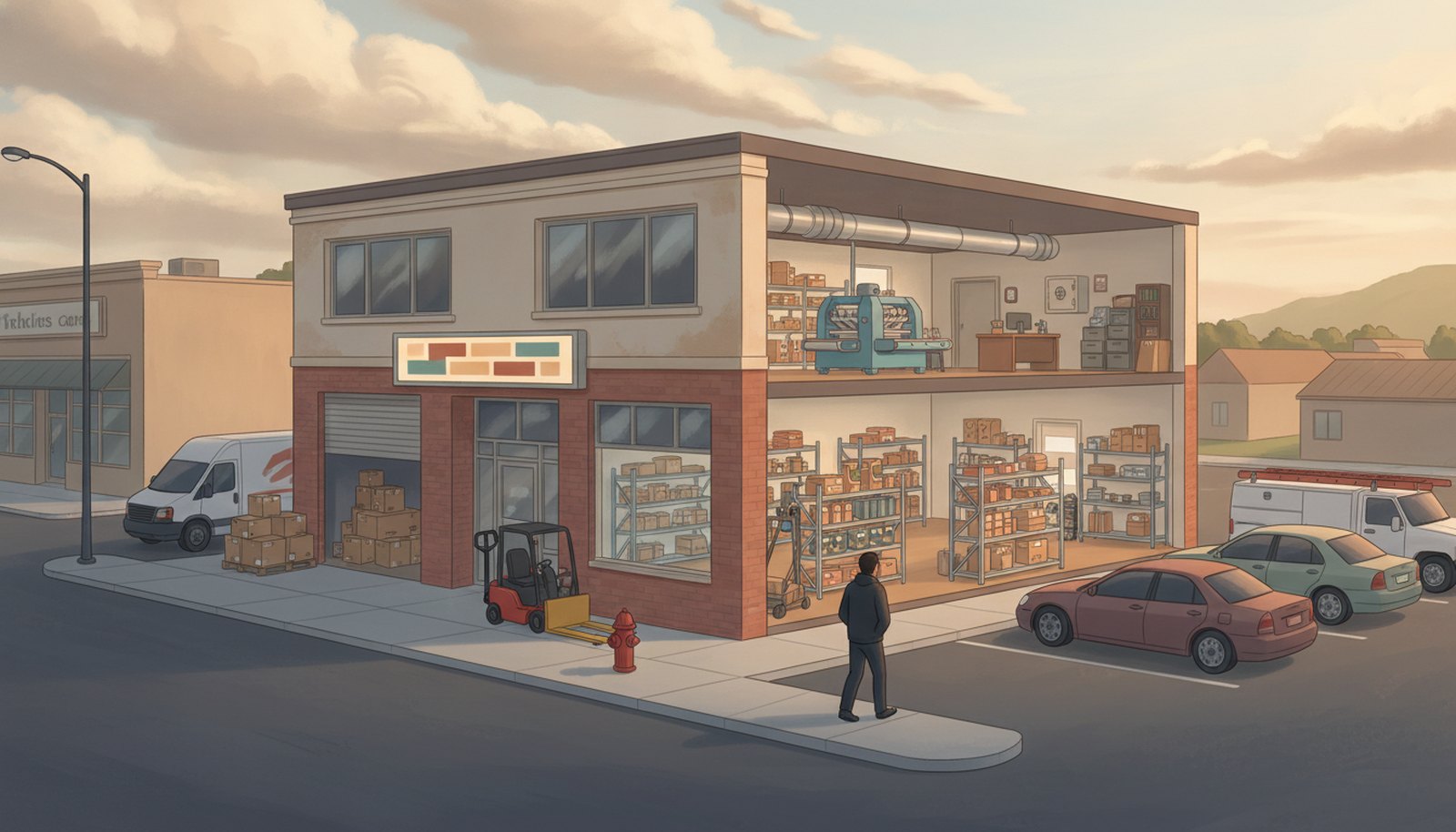
Commercial property insurance pays to repair or replace your business's physical assets when they are damaged, destroyed, or stolen. That includes the building you own or lease, the equipment inside it, your inventory, and in many cases the contents belonging to others that are in your care.
For a Treasure Valley business owner, the exposure is real: a kitchen fire at a Nampa restaurant, a break-in at a Meridian contractor's equipment yard, or a wildfire smoke-season electrical surge can sideline operations for weeks. The right policy covers the physical loss and, through business income coverage, the revenue you stop collecting while the doors are closed.
Your business property deserves protection that matches what you've built.
From your building to your inventory and everything in between, we help you cover the assets that keep your doors open.
What this coverage includes
Building and structural damage
If you own your building, this coverage pays to repair or rebuild the structure after a covered event such as fire, wind, vandalism, or certain water damage. If you lease, your policy can still cover tenant improvements you have made to the space. For businesses in the foothills communities above Eagle and Boise, where freeze-thaw cycles can stress older masonry and rooflines, making sure your building limit reflects current replacement cost matters more than most owners realize.
Business personal property and equipment
Business personal property coverage applies to the contents of your building: machinery, tools, computers, furniture, inventory, and supplies. For trades businesses operating in the fast-growing commercial corridors along Eagle Road or Highway 16, equipment values can climb quickly as job scope expands. This coverage also typically extends to property belonging to customers or clients that is temporarily in your possession, which matters if you do repair work or hold goods for others.
Business income and extra expense
Business income coverage (sometimes called business interruption) replaces the revenue your operation would have earned during a forced closure caused by a covered loss. Extra expense coverage picks up the additional costs you incur to keep operating, such as renting temporary space or equipment. These two coverages work together to protect the financial momentum of your business while repairs are underway, not just the bricks and mortar.
Code upgrade and debris removal
When a building is significantly damaged, local codes often require upgrades before a permit to rebuild will issue. Ordinance or law coverage pays those added reconstruction costs so you are not personally absorbing the gap between how the building was built and how current code requires it to be rebuilt. Debris removal coverage handles the cost of clearing the site before reconstruction begins, an expense that can run into tens of thousands of dollars on a commercial property and is easy to overlook until you need it.
Pairs well with
General Liability Insurance
Commercial property covers your assets; general liability covers your legal responsibility to others. Most lenders and landlords require both, and most Bittick clients carry them together.
Learn more ›Business Owner's Policy (BOP)
A BOP bundles commercial property and general liability into one policy, often at a lower combined premium than buying each separately. It is a practical starting point for many small to mid-size Treasure Valley businesses.
Learn more ›Commercial Auto Insurance
Property coverage stops at the building and its contents. Vehicles you own or operate for business purposes need their own commercial auto policy, especially for contractors running trucks between jobsites on I-84.
Learn more ›Workers' Compensation Insurance
If an employee is injured on your premises during a fire or other covered event, workers' comp handles their medical and wage-replacement costs. Property insurance does not cover employee injuries.
Learn more ›Inland Marine Insurance
Inland marine covers equipment and materials while they are in transit or stored away from your main location, a gap that straight commercial property policies typically leave open for contractors and trades businesses.
Learn more ›